India asks bulk users to source imported sugar if they want to keep more than 15 days stocks
Traders, wholesalers urged to pass on benefit of lower ex-mill prices to consumers
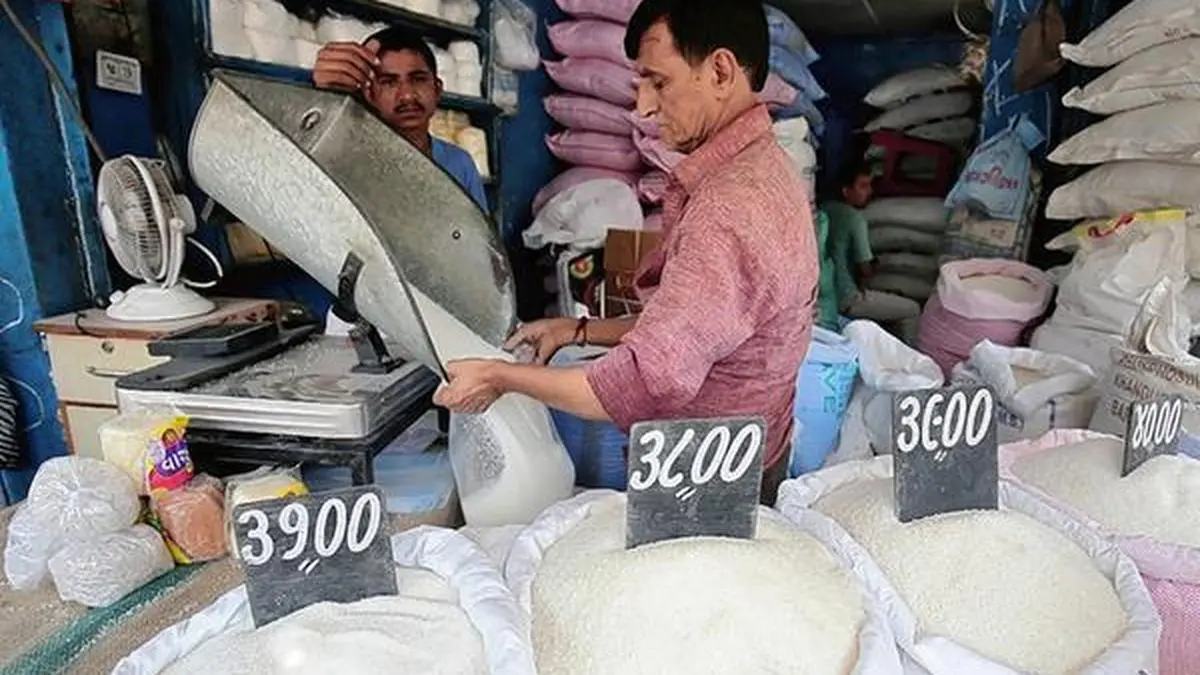
The Indian government has requested that large-scale users procure imported sugar from refiners instead of domestic mills if they wish to maintain stocks for more than 15 days. This move aims to strike a balance between meeting bulk consumers' needs and maintaining market stability. The government has increased the permissible stockholding limit for bulk consumers from 15 to 30 days, but only if the excess stock is sourced from sugar imported under specific schemes.
The government's decision comes after bulk consumers requested greater flexibility due to upcoming festivals. The relaxation allows them to hold 50 tonnes of domestic-sourced sugar and an additional 50 tonnes from refiners who imported raw sugar at zero duty. The government has also implemented a system for bulk consumers to declare and disclose their sugar stocks weekly.
Retail sugar prices have declined by around 10 percent, while ex-mill prices have dropped by nearly 25 percent. The government urges the sugar trade, wholesalers, and retailers to promptly pass on the benefits of reduced ex-mill prices to consumers, ensuring affordability during festivals.
Written by urgent.news from Hindu BusinessLine's reporting — not their text. Machine-written — may contain errors; check the original before relying on it.
This story
This is one outlet's version. Read the fullest account.
- The mood, as per Moody's: Shocks keep coming, India keeps growing economictimes.indiatimes.com
- Moody’s Raises India GDP Growth Forecast To 7% For FY27 On Strong Domestic Demand freepressjournal.in
- Moody's raises India fiscal 2027 GDP growth forecast to 7% on Middle East resilience brecorder.com
- Moody’s raises India fiscal 2027 GDP growth forecast to 7% on Middle East resilience investing.com
- Moody's Raises India GDP Growth Forecast To 7% For 2026-27 ndtv.com
- Moody's raises India FY27 GDP growth forecast to 7% on W Asia resilience business-standard.com