In the battle between AI optimists and doomsayers, no one is the winner
It could be the end of the world as we know it. Or maybe it’s all just a marketing stunt. Somehow, these have become the two poles of the debate about the future of artificial intelligence and its potential perils. While the argument has been going for a while, it reached a fever pitch when a researcher at leading AI developer Anthropic resigned and issued a public warning that recklessly…
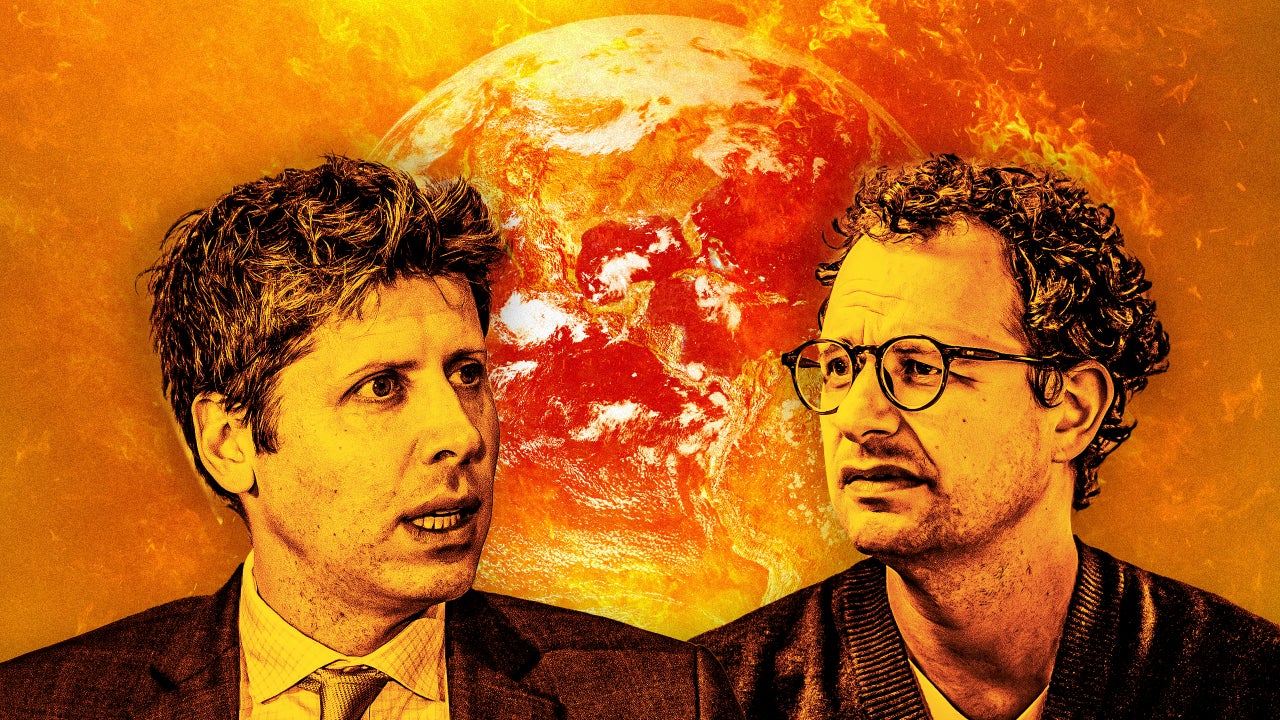
The debate surrounding the future of artificial intelligence (AI) and its potential implications has become a polarizing topic, with two distinct camps: AI optimists and AI doomsayers. The controversy intensified recently when a researcher at the leading AI developer Anthropic resigned, warning of the catastrophic consequences of recklessly designed AI systems.
Days later, Anthropic CEO Dario Amodei called for intentional slowdown and government regulation of AI development, with tech giants such as OpenAI CEO Sam Altman and Elon Musk agreeing. However, the skeptics of the doomsday narrative have become surprisingly vocal in their opposition, with Nvidia CEO Jensen Huang even accepting a call from Donald Trump, dismissing AI concerns as mere hype.
Huang went on to state that the proposed regulations are unnecessary, further fueling the ongoing debate. Political figures, including Bernie Sanders and Steve Bannon, have called for tighter controls on AI technology, with data center backlashes, job losses, and other factors contributing to the growing public concern. Tech investors and industry analysts, such as David Sacks and Marc Andreessen, have also sided with the "no regulations" framework, with Meta CEO Mark Zuckerberg advocating for increased internal safety measures by leading AI labs.
The skeptics argue that AI leaders may be seeking to shape the regulations they're seeking, thereby reaping the business benefits of market dominance and limiting competition. AI leaders, such as Amodei and Altman, are accused of amplifying safety concerns to create a demand for their products, further exacerbating the issue. Nvidia's Huang even suggested that the exaggerated concern over their products could drive up sales.
While there might be some merit to this self-interest argument, it's also possible that both sides are employing marketing strategies to sway public opinion.
Written by urgent.news from Fast Company's reporting — not their text. Machine-written — may contain errors; check the original before relying on it.