In boardroom rebellion in Tata Sons, a modern-day Greek tragedy
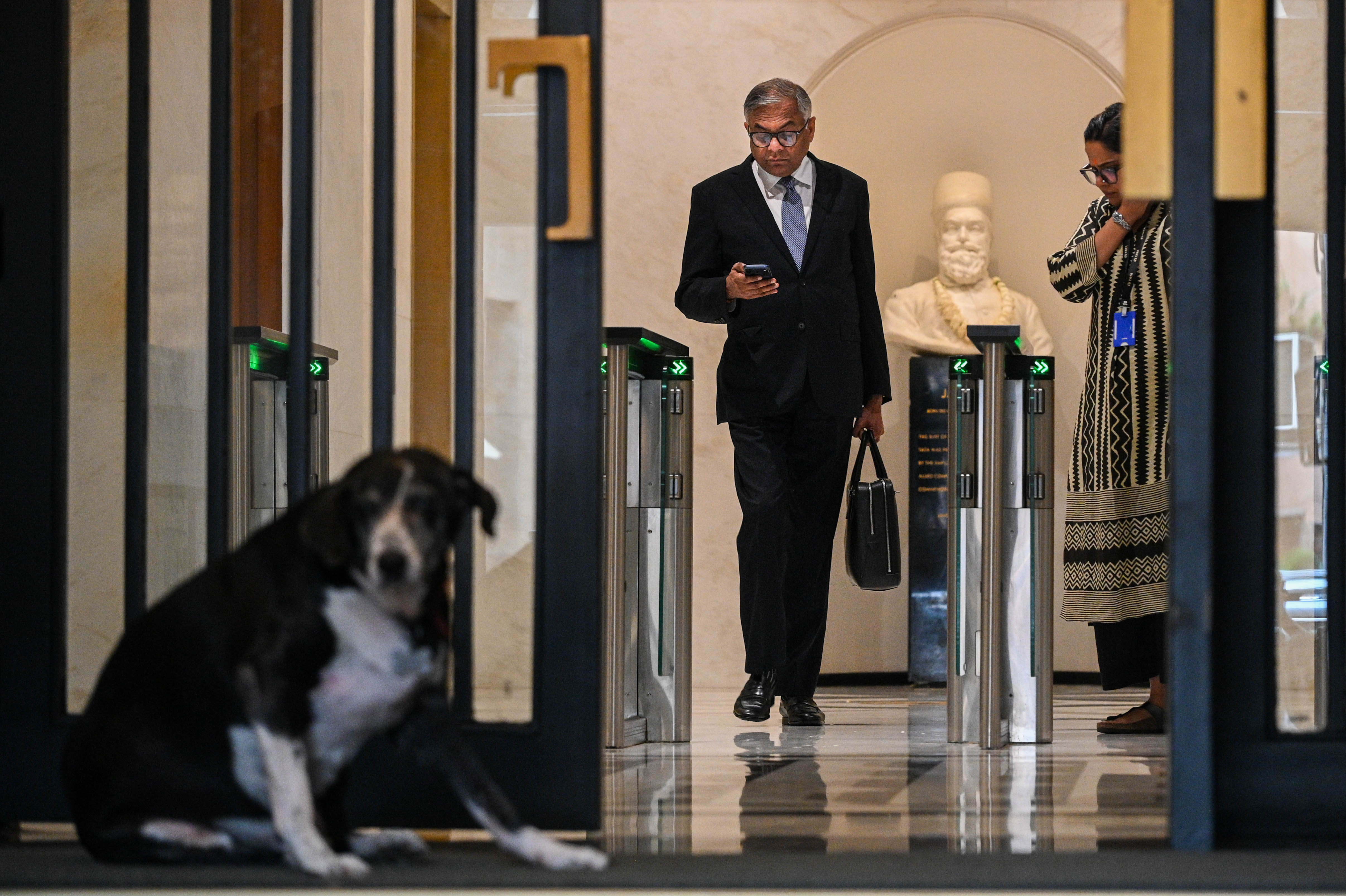
For over half a century, the Tata family has feared the specter of a hostile takeover threatening their prestigious business empire. At a recent Tata Sons board meeting, a majority of members, including a nominee of the Tata Trusts, defied the traditional hierarchy to retain N Chandrasekaran as executive head of the group. This rebellion signifies the vulnerability of the 158-year-old Tata conglomerate, which has long been at the forefront of India's industrial revolution, known for its honorable business practices and quality products.
The origins of the takeover concerns trace back to the Monopolies and Restrictive Trade Practices Act of 1969, which raised questions about the management of Tata companies by the Tata Sons managing agency. Tata Sons’ shareholding in the group's companies was minimal, as the real owners of most of the listed Tata companies were family charitable trusts, particularly the Sir Dorabji Tata and Sir Ratan Tata trusts.
The government-appointed charities commissioner, through Section 153 A of the Companies Act of 1956, was supposed to appoint a public trustee to handle corporate matters on behalf of the charities, but this never occurred for the Tatas, owing to the respect garnered by former chairpersons J R D Tata and Ratan Tata.
In 2002, the Companies Act was amended, giving the Tata trusts the right to vote directly on the Tata Sons board, rather than through government nominees. However, Shapoorji Pallonji Mistry, a construction magnate, managed to acquire an 18.37% stake in Tata Sons, creating a thorn in the side of the Tata family. Over the years, the Tata trusts have resisted attempts for the public listing of Tata Sons shares, fearing the potential negative consequences.
In 2021, the Supreme Court rejected the SP group's appeal to compel Tata Sons to buy out their stake at a "fair” value, as Tata Sons is a private company with strict share transfer restrictions in its Articles of Association.
Recently, Tata Sons was classified as an NBFC after the RBI introduced the concept of Upper Layer of NBFCs, setting a deadline for listing requirements. Amidst this modern-day Greek tragedy, the Tata Trusts are now inclined to engage with the SP group, with the latter reportedly offering to sell 3% of its Tata Sons stake for Rs 25,000 crore. The drama unfolds as key Parsi players find themselves entangled in complex relationships, with potential consequences for the future of the esteemed Tata business empire.
Written by urgent.news from The Indian Express's reporting — not their text. Machine-written — may contain errors; check the original before relying on it.
Also reported by 1 other outlet
- Tata Sons: After boardroom showdown, what lies ahead indianexpress.com