HWA to launch report ‘State of Peasants Rights in Sindh 2025’
HYDERABAD: The Hari Welfare Association (HWA) to launch the report ‘State of Peasants’ Rights in Sindh 2025’ and to review progress in implementing peasants’ protection laws in Sindh. They regretted that the Sindh Tenancy Act (STA) of 1950 (which governs landlord–tenant relations), the Sindh Bonded Labour System (Abolition) Act of 2015, and the Sindh Women Agriculture Workers Act of 2019 have not…
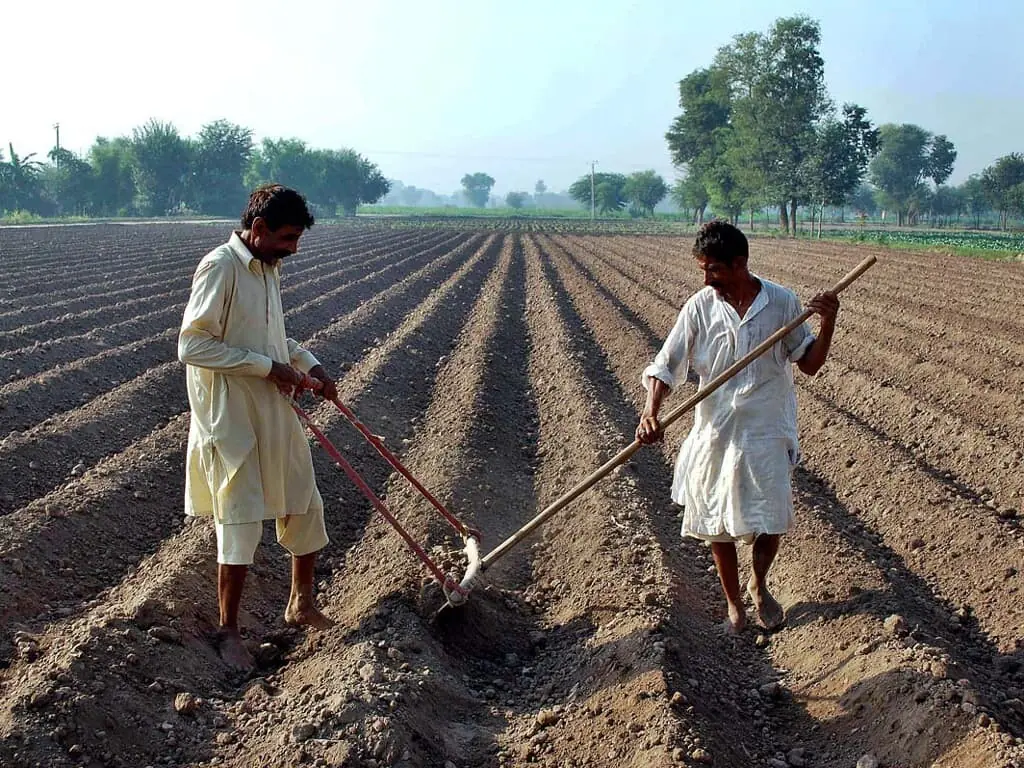
The Hari Welfare Association (HWA) is set to release a comprehensive report titled 'State of Peasants' Rights in Sindh 2025'. The report aims to assess the progress made in implementing key laws to protect peasants' rights and review the state of bonded labour systems in the region. HWA expressed disappointment that key legislations such as the Sindh Tenancy Act (1950), the Sindh Bonded Labour System (Abolition) Act (2015), and the Sindh Women Agriculture Workers Act (2019) have not been effectively enforced since their enactment.
At a press conference, HWA's executive director Akram Khaskheli highlighted a significant development in March 2026 when the Sindh Cabinet issued rules under the Sindh Women Agriculture Workers Act (SWAWA) 2019. However, the implementation of this law remains stalled, as no unions have registered under it and there is a dearth of grassroots awareness and mobilization, leaving women vulnerable to exploitation.
The government of Sindh has not withdrawn its appeal in the Supreme Court of Pakistan against the High Court's 2019 pro-peasant-rights judgment, despite the government professing its commitment to the cause of peasants and workers' rights. Women activist Rabia Rehman, along with other activists and leaders from various organizations, pointed out that women, farmers, and rural workers continue to endure harsh living conditions.
The report emphasizes that meaningful land reforms are crucial for improving the socio-economic conditions of peasants and rural workers and fostering sustainable rural development. The activists called upon the Sindh government to effectively activate District Vigilance Committees to uncover and eradicate bonded labor in agriculture and brick-kiln sectors.
They also urged for the introduction of comprehensive crop and livestock insurance schemes to safeguard farmers and rural workers from economic losses due to climate-related disasters and other unforeseen risks.
The State of Peasants' Rights in Sindh report reveals that in 2025, bonded labour remained widespread in Sindh, with 1,311 laborers rescued from brick kilns and the agricultural sector. These rescues were achieved through police raids, court orders, and emergency interventions. The brick kiln sector accounted for 743 releases, including 262 men, 220 women, and 261 children, highlighting the intergenerational nature of bondages, with entire families trapped in debt arrangements.
Districts such as Umerkot, Sanghar, Matiari, and Badin emerged as hotspots, with repeated discoveries of forced labor and illegal confinement.
In the agricultural sector, 568 laborers were freed, including 206 men, 171 women, and 191 children. The high proportion of children, comprising over one third of all victims, underscores that bonded labor in Sindh functions as an intergenerational system, trapping entire families in cycles of debt and coercion.
Written by urgent.news from Business Recorder's reporting — not their text. Machine-written — may contain errors; check the original before relying on it.