How India’s strategic autonomy shaped the Brics declaration
India helped broker consensus among Brics members despite deep divisions over conflict, terrorism and sanctions.
The adoption of the Delhi Declaration at the 18th Brics summit demonstrates that India's policy of strategic autonomy in foreign policy is proving successful. Strategic autonomy does not imply neutrality, but rather India's resistance to alignment with any single global power and its commitment to pursuing foreign policy based on national interests.
This allows India to maintain relationships with adversaries like Russia and Ukraine, as well as with Israel and Iran, while advancing its own economic and strategic priorities.
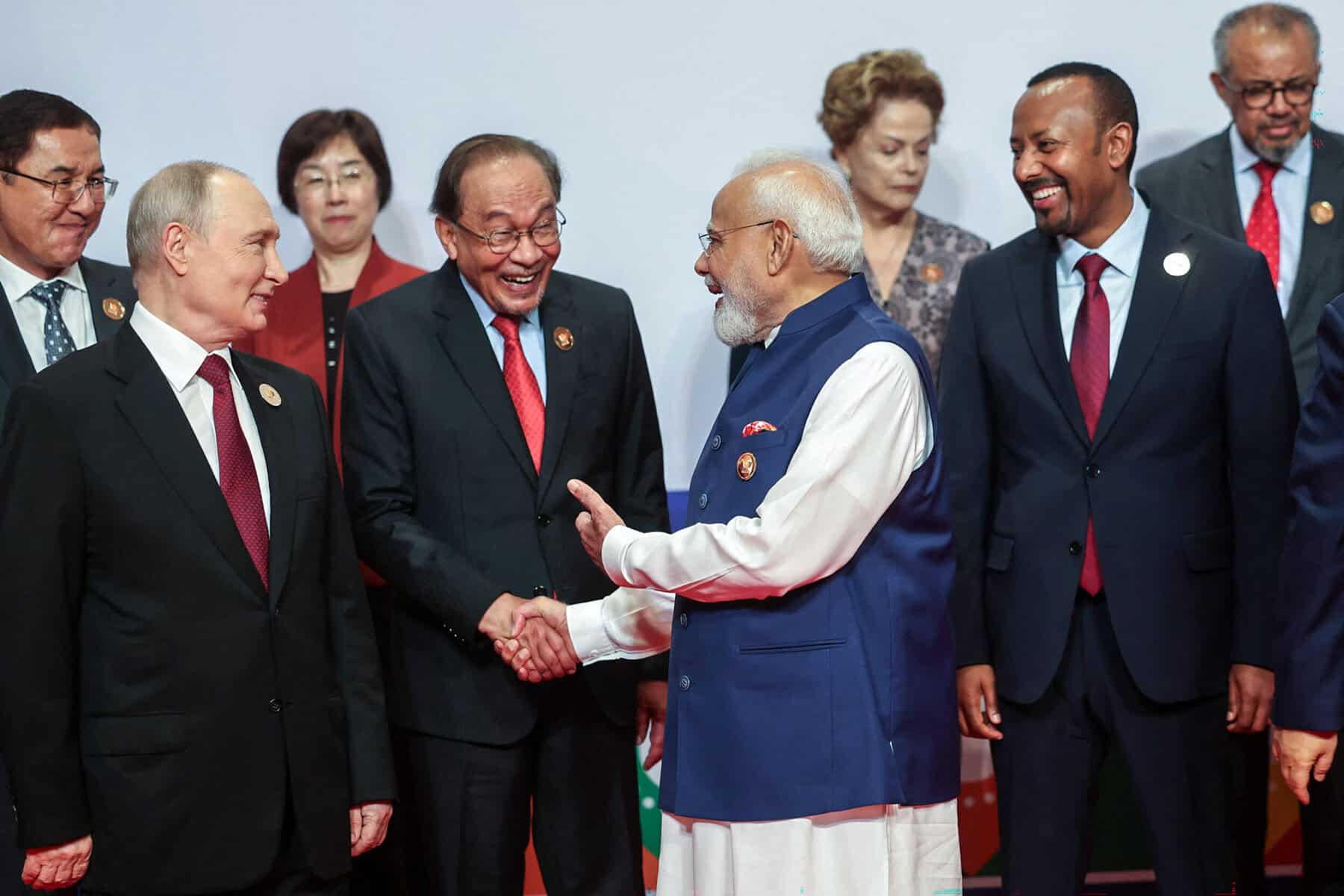
The diplomatic flexibility of India was evident at the Brics summit, where it brought together countries with contrasting interests and helped to forge consensus on contentious issues. This was particularly evident in the handling of the West Asia conflict, where India mediated between Iran and the United Arab Emirates, both members of Brics, and helped to craft careful language in the New Delhi Declaration.
The declaration condemned unilateral coercive measures and trade restrictions, expressing concern about their impact on social development and vulnerable populations. This language was particularly significant as India had long advocated for greater international recognition of cross-border terrorism, allegedly backed by Pakistan, as a security challenge.
India's strategic autonomy was also visible in its media relations, with Iranian President Masoud Pezeshkian giving an interview to India Today following the summit. This demonstrated India's ability to maintain channels of communication with countries on opposing sides of geopolitical divides, while creating diplomatic space for dialogue.
The Brics summit provided a useful illustration of India's foreign-policy philosophy in practice, showcasing its ability to engage competing powers without becoming strategically subordinate to any one of them. The success of strategic autonomy will depend on whether India can convert this diplomatic space into tangible economic, security, and geopolitical gains.
Written by urgent.news from The Citizen's reporting — not their text. Machine-written — may contain errors; check the original before relying on it.