How Credit Bureaus Track Your Credit History And Shape Your Credit Profile
Every loan, credit card and repayment can add to your credit history. Understand how credit bureaus collect and update this information, how it appears in your credit report, what to check for errors, and how to check your credit score online. In summary Your credit profile is built over time from information reported by lenders. Credit bureaus collect this information, update your records and…
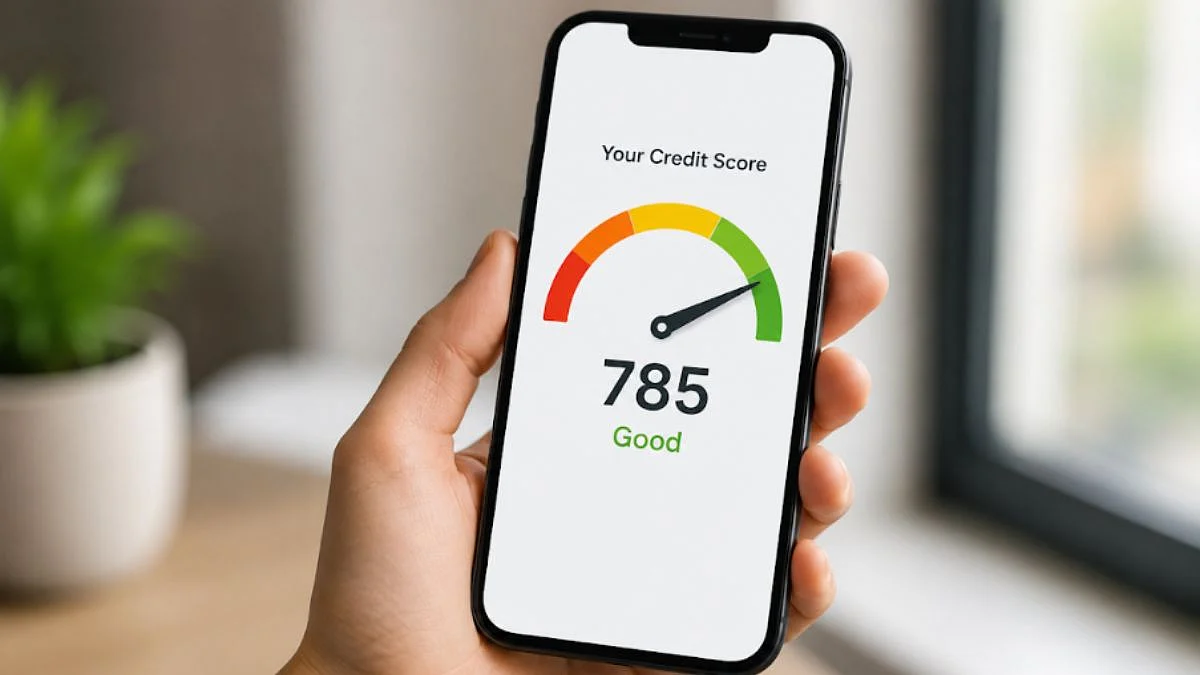
Credit bureaus compile and maintain records of your credit history, which is derived from information reported by lenders. There are four credit information companies in India recognized by the Reserve Bank of India: TransUnion CIBIL, Experian, Equifax, and CRIF High Mark. These companies track various aspects of your credit activities, such as loans, credit cards, repayments, balances, and enquiries. A credit report shows your entire credit history, while a credit score is a summary of that history.
Your credit report can change over time as your credit activity evolves. For instance, a new loan can add an account, repayments can update your history, and closing a loan can alter its status. This makes your credit report a dynamic document rather than a static one. Starting January 2025, credit information is updated every fortnight, which allows for more frequent reporting.
This change aims to keep credit information current and help lenders make decisions using more recent data. However, updates may not happen instantaneously; discrepancies should be addressed promptly.
When reviewing your credit report, it's essential to look beyond just the credit score. Pay attention to the underlying information to verify its accuracy. Possible errors include overdue payments shown as up-to-date, repaid loans still listed incorrectly, mismatches between outstanding amounts and your records, unfamiliar accounts, or unrecognized credit enquiries.
If you find an error, document the relevant information and request correction from the credit information company and/or the reporting institution. The RBI provides guidance on how to dispute inaccuracies, and if a complaint remains unsolved for over 30 days, or you're dissatisfied with the resolution, you can escalate the issue to the RBI Ombudsman.
Written by urgent.news from Free Press Journal's reporting — not their text. Machine-written — may contain errors; check the original before relying on it.