How bad healthcare can derail a woman’s entire life
When we think about the stakes in healthcare, we tend to think of them in terms of life and death, being sick or being healthy. The conversation is about your physical well-being and maybe your mental health — and it pretty much stops there. But health affects so much more than your body’s biology or even […]
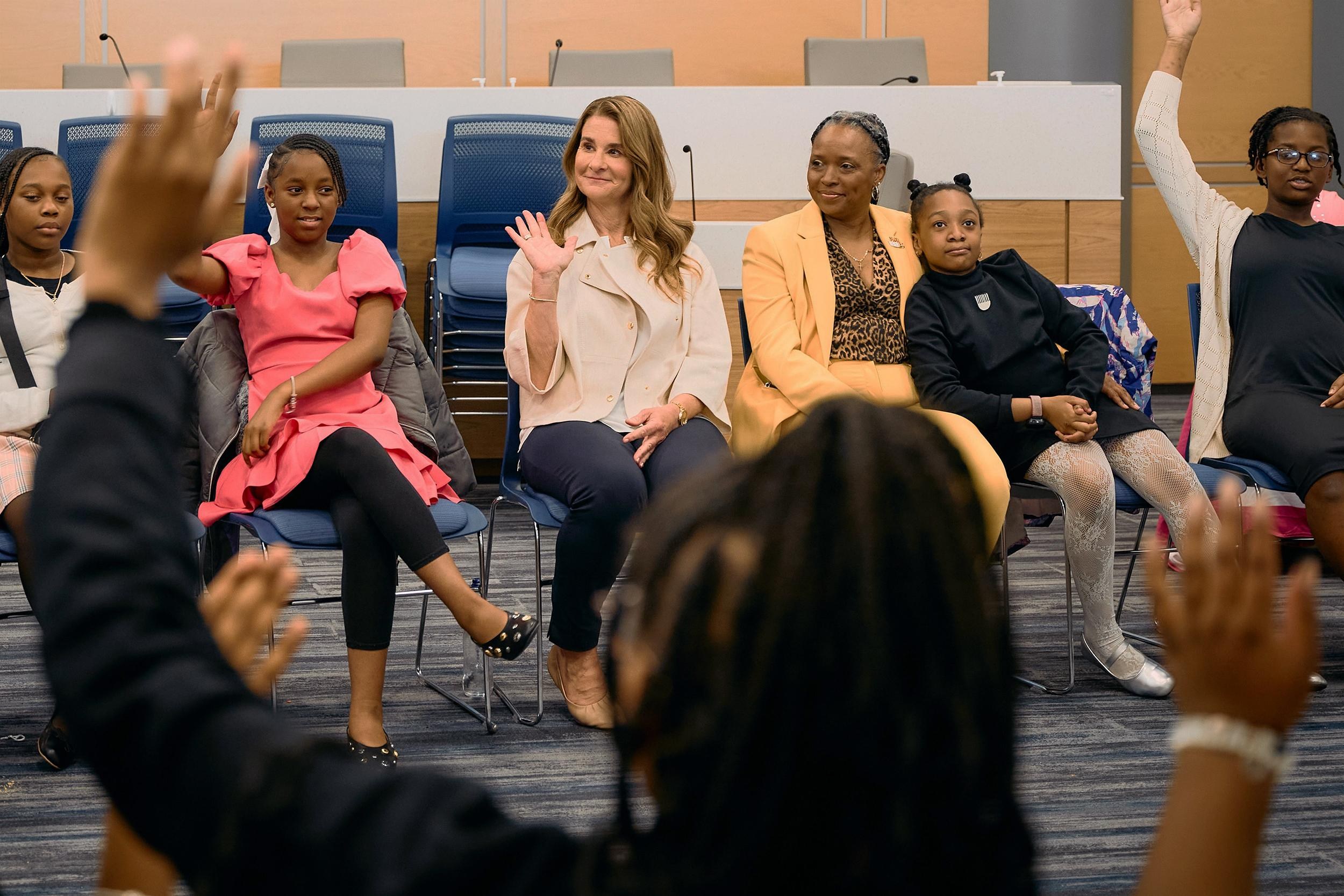
A recent survey by Gallup and Pivotal, founded by Melinda French Gates, reveals how poor healthcare can profoundly impact a woman's life. More than half of US women, 54 percent, experienced at least one health-related impact on their family life or relationships due to their health issues. Additionally, 42 percent reported negative effects on their career or work, and 32 percent admitted their health hindered their ability to participate in civic life.
The survey also highlighted that 48 percent of women had dealt with mental health conditions like depression or anxiety.
The survey found that 51 percent of women reported having negative healthcare experiences in the past five years, compared to 39 percent of men. A third of women said doctors didn't take their pain or other symptoms seriously, and 33 percent claimed they were misdiagnosed or not diagnosed at all. These experiences often deter women from seeking necessary care, with 32 percent skipping or delaying care due to cost, a rate higher than that of men.
The consequences of these healthcare experiences extend beyond the individual, affecting families, careers, and communities. More than half of women reported their health issues affected their family life or relationships, while 42 percent noted a negative impact on their career. Furthermore, 32 percent said their health had hindered their involvement in community activities.
Socioeconomic disparities exacerbate the issue, with Black and Hispanic women more likely to report poor or fair health. Women with lower incomes often face career struggles due to their health more than their higher-income counterparts. The survey also highlighted that Black and Hispanic women are more likely to report being in poor or fair health.
The survey findings left Melinda French Gates, who has prioritized women's health in her work, astonished by the prevalence of mental health challenges among pregnant women (54 percent) and the low rate of women finding helpful care (less than one in three). French Gates emphasized the need to integrate women's mental and physical healthcare, particularly during pregnancy and postpartum.
She also stressed the importance of addressing the burden placed on women to seek answers for their health, noting that everyone deserves better care.
The survey findings underscore the need for better women's health and the role communities play when women can't fully participate. Women often serve as the backbone of their communities, leading initiatives, and holding elected offices. However, when women cannot participate due to health challenges, communities miss out on their perspectives and contributions. Without proper healthcare, women's health becomes an economic, family, and community issue, affecting all of society.
Written by urgent.news from Vox's reporting — not their text. Machine-written — may contain errors; check the original before relying on it.