House passes act to make AI data centers pay for grid upgrades to minimize impact on residents — measure directs states to consider adoption of federal standard within two years of passing
This Ratepayer Protection Act will make data centers pay for grid upgrades made in their name. However, it still has to go through the senate and the White House, before being considered by individual state regulators for adoption.
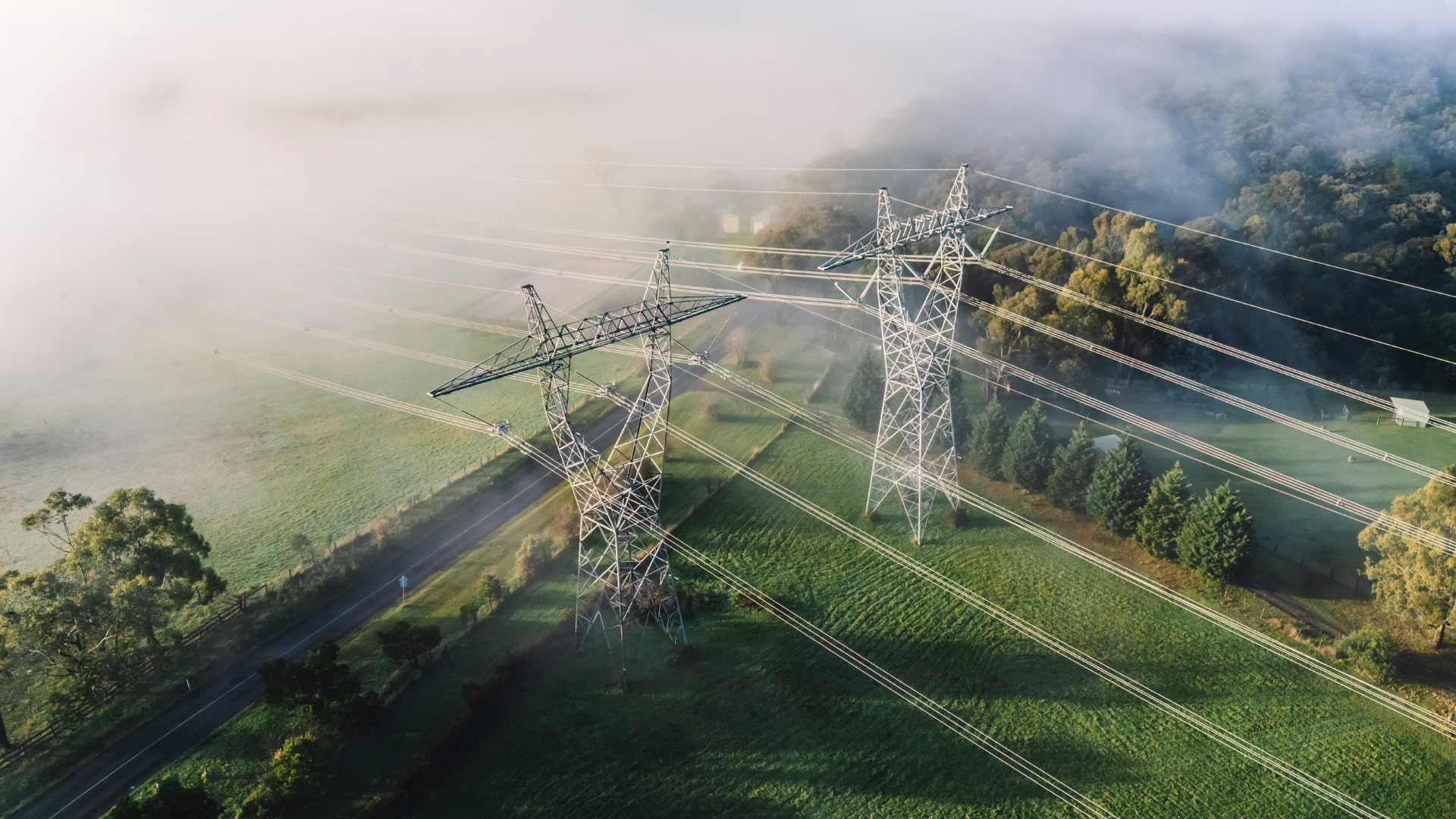
The U.S. House of Representatives recently approved a bill titled the Ratepayer Protection Act, which mandates data centers to fund grid upgrades benefiting them. This legislation, H.R. 9340, amends the Public Utility Regulatory Policies Act of 1978, mandating state regulatory bodies and non-regulated electric utilities to contemplate adopting the act within two years of its enactment, should it become law.
The growing need for data center CPUs and AI agents has led to a surge in demand, causing residential users and small businesses to face unexpected price hikes. Consequently, a significant number of Americans now oppose the growth of data centers in their communities. Some states, like Oregon, have already implemented measures such as the POWER Act in 2025, which obligates developments exceeding 20 megawatts to bear their fair share of costs.
Virginia has also joined the movement, following the governor's endorsement of the Ratepayer Protection Pledge in July 2026, which requires data centers to cover all necessary transmission infrastructure charges. Although the House of Representatives has already ratified H.R. 9340, it must still navigate the Senate before reaching the President for signing.
Nevertheless, even if the federal standard is implemented, it is ultimately left to individual state regulators to adopt the standard, and states have up to two years to make a final determination, risking the expiration of temporary bans and moratoriums on data centers.
Written by urgent.news from Tom's Hardware's reporting — not their text. Machine-written — may contain errors; check the original before relying on it.