Hong Kong’s metal storage hits 30,000 tonnes in push to become global commodity hub
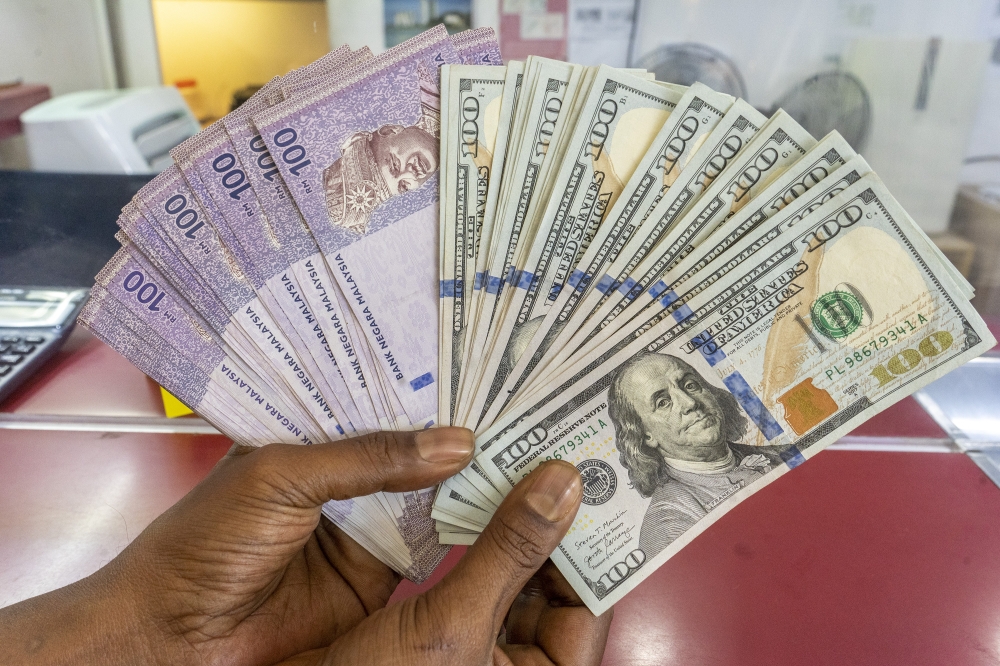
Hong Kong’s push to develop into a premier gold and commodity trading hub has gained momentum, with local metal storage surpassing 30,000 tonnes, a minister has said, as the administration positions the city as the destination of choice for global capital. Secretary for Financial Services and the Treasury Christopher Hui Ching-yu also said on Friday the government would expand renminbi settlement…
Hong Kong is actively working towards establishing itself as a premier global hub for gold and commodity trading. The city's metal storage capacity has recently reached a milestone, surpassing 30,000 tonnes, according to a government minister. Finance Secretary Christopher Hui Ching-yu announced that the administration plans to expand renminbi settlements for payments related to mainland Chinese services, with the ultimate goal of boosting the global adoption of the yuan.
Chief Executive John Lee Ka-chiu unveiled a series of initiatives in his recent policy blueprint aimed at propelling the city's international gold trading market forward. These measures include the creation of a Joint Working Group on Commodity Trading, chaired by Hui, and a reduction in the profits tax rate for qualifying physical commodity traders from 16.5% to 8.25% for the following year.
Additionally, Hong Kong's Exchange Fund, responsible for defending the local currency, will increase its gold holdings. The city already operates a gold clearing and settlement system, which began trial operations in July, with the intention of solidifying Hong Kong's position as a major trading center and price-setter for the precious metal.
Hui highlighted that the total metal storage within Hong Kong's London Metal Exchange warehouse network has exceeded 30,000 tonnes, emphasizing the city's commitment to advancing its commodity trading sector. Demand for gold imports has been strong, with banks and logistics companies betting on Hong Kong's expansion of its vaults for the precious metal.
In July, about 107 tonnes of gold entered Hong Kong, up from 72.16 tonnes in February. Hui reported that the trial operation of the gold clearing system has proceeded smoothly, attracting significant deposits. More than 11 banks have participated in the trial, and authorities have received inquiries from other institutions interested in joining the gold trading ecosystem.
In terms of government payments, the policy address proposed expanding yuan settlements for services provided by mainland authorities. Hui mentioned that these arrangements were already in place on a limited scale and described this as a natural next step. Officials are considering paying in yuan for Dongjiang water supplies, which account for up to 80% of the city's fresh water, as well as for training programs run by mainland institutions.
Meanwhile, Secretary for Commerce and Economic Development Algernon Yau Ying-wah revealed that authorities are engaging with over 40 companies interested in establishing a presence in the Northern Metropolis, a 30,000-hectare (74,130-acre) megaproject that will feature several innovation hubs and university clusters. To attract these businesses, the government is offering tailored incentive packages such as land-use facilitation, co-investment options, and tax breaks based on operation scale.
Written by urgent.news from South China Morning Post's reporting — not their text. Machine-written — may contain errors; check the original before relying on it.
This story
This is one outlet's version. Read the fullest account.