Fuel prices see first rise in four months amid renewed US-Iran conflict
Stats NZ figures showed petrol prices rose 2 percent in July and diesel prices were up nearly 9 percent.
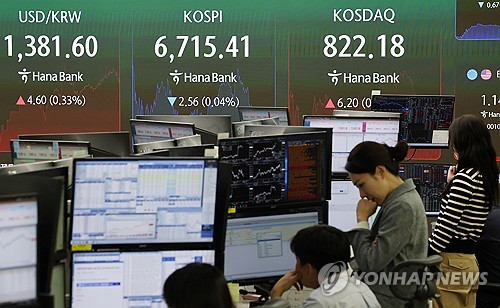
Asian stocks and bonds experienced gains on Friday as Wall Street stocks rallied and oil prices continued to decline, easing inflation concerns. The yen remained relatively stable ahead of the Bank of Japan's interest rate decision, with traders anticipating a rate hike. The MSCI's regional equities gauge climbed 0.3%, with South Korea's Kospi index leading the gains.
This came after the S&P 500 Index increased 1.1%, its largest gain since early August, and the tech-heavy Nasdaq 100 Index rose 1.7%. Key chipmaker indexes also saw a substantial jump of 3.1%.
The positive sentiment was further bolstered by the decline in Brent crude prices for the third consecutive day, dipping just below $104.00 a barrel. This was due to easing supply concerns and heightened expectations of upcoming diplomatic efforts that could impact the US-Iran conflict. Lower energy prices may provide some relief to consumer prices and grant central banks more time to evaluate the effects of tighter monetary policy, supporting both stocks and bonds.
However, the longevity of this reprieve will rely on whether oil prices continue to fall, as the US-Iran war and prospects for further diplomacy introduce uncertainties regarding energy supplies.
Despite these gains, the sentiment was tempered by the fact that oil prices continued to fall, alleviating pressure on bond yields. Fawad Razaqzada from Forex.com noted that sentiment had been lifted partly because crude oil had fallen for a second day, easing pressure on bond yields. Oil prices fell as Saudi Arabia worked to restore about half of the capacity of its key East-West pipeline within days following the shutdown last week due to drone strikes. This eased some concerns over potential supply losses stemming from the Iran conflict.
Meanwhile, news emerged that China had asked Iran to assist in curbing Tehran-backed Houthi militants in Yemen, a move that could potentially reduce disruptions in the Bab el-Mandeb strait, another crucial shipping and energy route. Elsewhere, gold prices surged after a three-day decline, while the Bloomberg gauge of the dollar experienced some easing of its recent gains following the Fed's rate increase.
UK government bonds also rallied in response to the Bank of England's decision to abandon plans to sell long-dated gilts as part of its quantitative-tightening program. The Bank of England kept its benchmark rate unchanged on Thursday.
In the meantime, Japan's inflation declined for the first time in four months, largely due to government subsidies, according to data released ahead of the Bank of Japan's meeting. All respondents in a Bloomberg survey expect the central bank to raise its policy rate to 1.25% from 1% on Friday, with Governor Kazuo Ueda set to deliver a press conference afterward.
The yen remained largely unchanged, trading around 156.15 per dollar. Market analysts anticipate that the Bank of Japan will deliver a 25 basis point hike to 1.25% on Friday, which would be seen as the minimum necessary rate and a departure from previous hawkish expectations.
Written by urgent.news from The Economic Times - Top News's reporting — not their text. Machine-written — may contain errors; check the original before relying on it.
This story
This is one outlet's version. Read the fullest account.
- Global Market Today: Asian stocks, bonds gain as oil extends decline economictimes.indiatimes.com
- Fuel market faces fresh pressure as Asian prices rise island.lk
- Asian stocks track Wall Street rally as oil prices decline euronews.com
- Asian stocks rise as Wall Street gains and falling oil ease inflation worries malaymail.com