From Finishing Strip To Engineered Component: The Evolution Of Edgebands
There was a time when an edgeband had a fairly simple job. It covered the exposed edge of a furniture panel, hid the substrate and gave the piece a finished appearance. That description feels incomplete in the modern day scenario. Furniture has become more precise in its construction and more demanding in everyday use. Kitchens encounter heat, moisture and repeated cleaning. Wardrobes and storage…
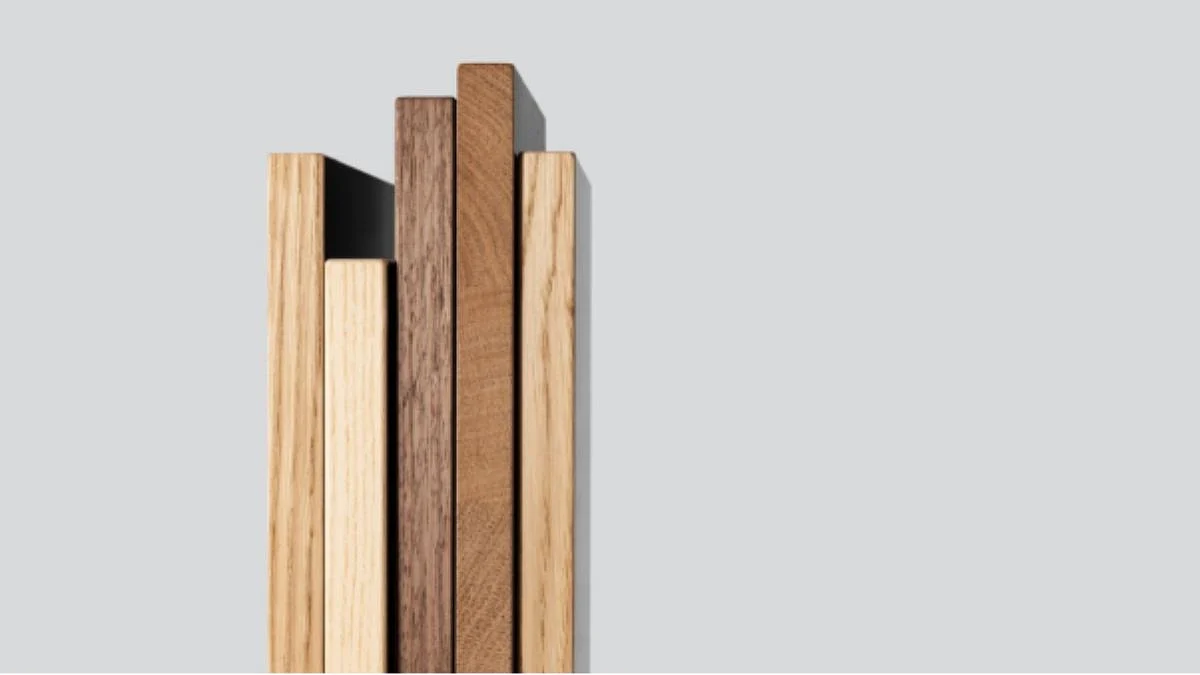
In the not-so-distant past, the role of an edgeband was straightforward. Its primary duty was to cover the exposed edge of a furniture panel, hide the underlying substrate, and provide a polished appearance. However, the modern furniture industry demands much more from these seemingly humble strips of material. As furniture becomes increasingly precise in construction and experiences greater daily wear and tear, the edgeband's significance has grown exponentially.
Today, an edgeband is often specified as an engineered component rather than merely a finishing strip. This shift is driven by the need for clean joints, coordinated surfaces, and fine edge detailing in furniture that undergoes prolonged handling and exposure to elements like heat, moisture, and abrasive cleaning.
The exposed panel edge is particularly vulnerable to various forms of damage. An edgeband serves as a protective barrier between the substrate and its surroundings while also creating a seamless transition between the panel and surface. The performance of an edgeband relies on several interdependent factors, such as material composition, bonding, profile geometry, machining behavior, and color consistency.
A weakness in any of these areas can manifest as edge lifting, chipped corners, exposed core color, or a more prominent glue line.
To accurately assess an edgeband's quality, it must be judged based on its overall performance, rather than merely examining a sample alongside a panel. Edgebands are now categorized into General Purpose and High Performance edgebands. The former is designed for everyday requirements, focusing on affordability and basic edge protection. In contrast, the latter is engineered for applications demanding durability, bonding reliability, machining precision, visual consistency, and long-term performance.
Modern edgebands are available in various materials, including PVC, ABS, PP, and PMMA. The choice of material depends on the specific furniture application, manufacturing process, and design requirements. Within the same material category, the choice of a filler-free composition with consistent color throughout can be particularly valuable after trimming and machining, when the internal structure of the edgeband might become visible.
Bonding plays a crucial role in the performance of an edgeband. A sophisticated bonding layer or primer can enhance adhesion and maintain joint integrity under heat, humidity, and mechanical stress. The processing factors, such as adhesive selection, substrate preparation, and machine calibration, all contribute to the final result, but the edgeband itself is equally important.
Modern edgebanding has evolved beyond conventional strip profiles. Precision-engineered convex profiles help the material conform to the panel, support controlled pressure, and ensure consistent adhesive distribution. This leads to tighter joints and reduced glue line visibility, which can be crucial for premium furniture where surfaces are clean and uninterrupted.
Color has become a more critical consideration than ever before. Furniture now utilizes various color schemes, from solid colors and woodgrains to stone effects, metallics, matt surfaces, and high-gloss finishes. Advanced multi-stage printing allows for detailed décor reproduction, making color consistency across production batches essential for large-scale furniture projects.
The evolution of edgebands is also reflected in the increased emphasis on formulation. For demanding furniture applications, material composition is a crucial specification. Modern technologies have developed safer formulations that exclude substances like lead, DOP, cadmium, and mercury. This ensures that edgebands not only perform well but also meet stringent environmental and safety standards.
Ultimately, the edgeband has become a critical component with a significant impact on the furniture's lifecycle. It is subjected to constant handling, cleaning, and exposure to various environmental conditions, making it a small part with a surprisingly large responsibility. The progression from General Purpose Edgebands to High Performance Edgebands mirrors the broader shift in furniture manufacturing, where specifications are becoming increasingly application-specific, and individual components are evaluated based on their contribution to the finished product.
Written by urgent.news from Free Press Journal's reporting — not their text. Machine-written — may contain errors; check the original before relying on it.