French prosecutors and regulators step up scrutiny on smart glasses
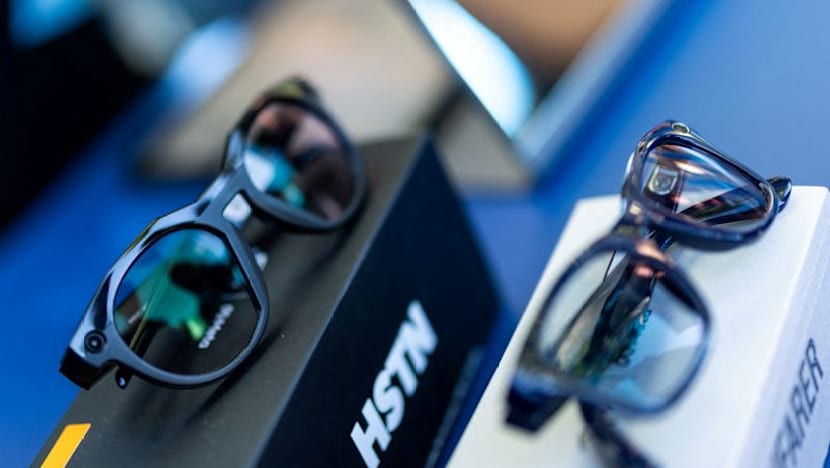
Paris prosecutors have launched a criminal investigation into allegations of sexual harassment involving smart glasses, as French data protection authorities receive complaints from businesses. Smart glasses have become a global sensation, with Meta's glasses, co-developed with EssilorLuxottica, leading the market at around 76% share. The wearable technology, featuring a hidden camera, has sold 7 million units globally last year.
The devices have sparked concerns over issues such as sexual harassment and corporate wrongdoing, leading to international scrutiny from prosecutors, regulators, and rights groups. A UK cinema chain has banned their use, while a German consumer group has filed a complaint against Meta and other companies, citing German privacy laws.
Paris prosecutors recently opened a criminal probe following sexual harassment complaints related to a social media trend of using smart glasses to film women without their consent and posting the footage online. The prosecutors did not specify the brand of the devices used but stated their cybercrime unit tested them to understand potential crimes.
Meta claims it integrated privacy features into its AI glasses from the outset and will continue to enhance protections. EssilorLuxottica, however, declined to comment. France's data protection authority, CNIL, has received fewer than 10 complaints about smart glasses in workplaces and is being contacted by businesses seeking guidance on potential bans.
Australia is contemplating a ban on camera-equipped smart glasses in government workplaces due to privacy and security concerns, potentially marking the first such restriction. Smart glasses present significant challenges in terms of informing people of being filmed and obtaining consent, according to CNIL's head of economic affairs, Nacera Bekhat. AI-enabled wearable devices are governed by the European Union's AI Act and GDPR, which set rules on personal data usage.
French law provides privacy protections, including penalties of up to a year in prison or a €45,000 fine for recording images of a person in a private place without consent, but enforcement can be difficult, especially when content spreads rapidly online. Rights groups argue that women are the primary targets of abuse using smart glasses, and the tech industry should take more responsibility in preventing abuse.
Written by urgent.news from CNA - Business's reporting — not their text. Machine-written — may contain errors; check the original before relying on it.
This story
This is one outlet's version. Read the fullest account.
- French prosecutors and regulators step up scrutiny on smart glasses channelnewsasia.com