Fishapod fossil shows early elbows came in a variety of forms
The fish that preceded the first four-legged land animals came in a wider variety of forms than we had thought, and fossils show that one had an elbow joint that moved in an oddly restrictive way
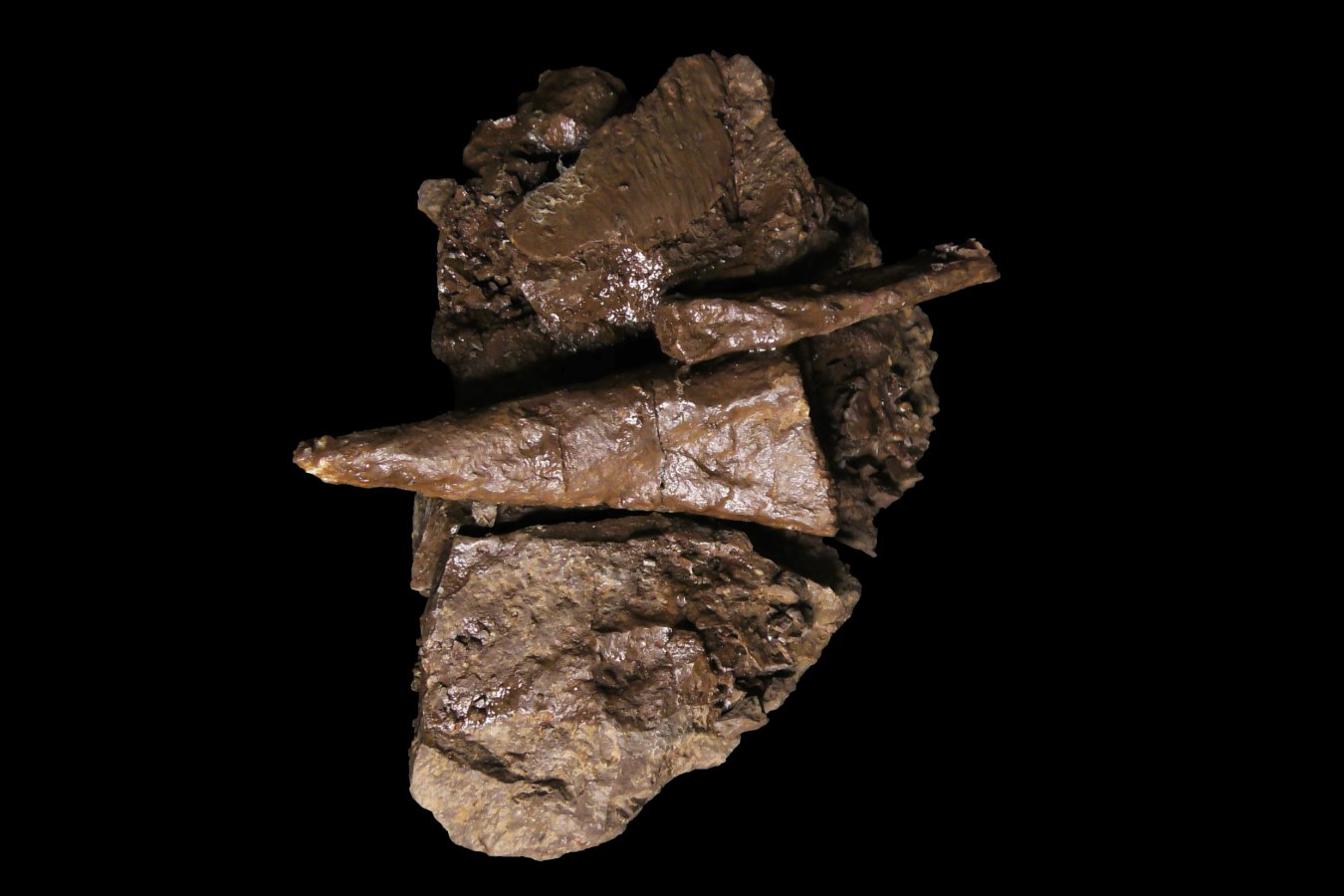
A 350-million-year-old fish fossil, discovered on Canada's Ellesmere Island, has revealed an unusual elbow joint and pointed forearm bone among its fin-limbs. This fish, along with several other "fishapods," showcases the variety of forms that early arm structures took as vertebrates transitioned from water to land. The long, triangular radius bone in the fin suggests a hinge-like joint similar to but less versatile than the elbows of other fishapods.
While the exact purpose of the fin-limbs remains unclear, researchers speculate that these structures may have helped the animal navigate shallow water, evade predators, and hunt for food. The discovery of such diverse fin-limb adaptations underscores the complexity and adaptability of early vertebrate evolution.
Written by urgent.news from New Scientist's reporting — not their text. Machine-written — may contain errors; check the original before relying on it.