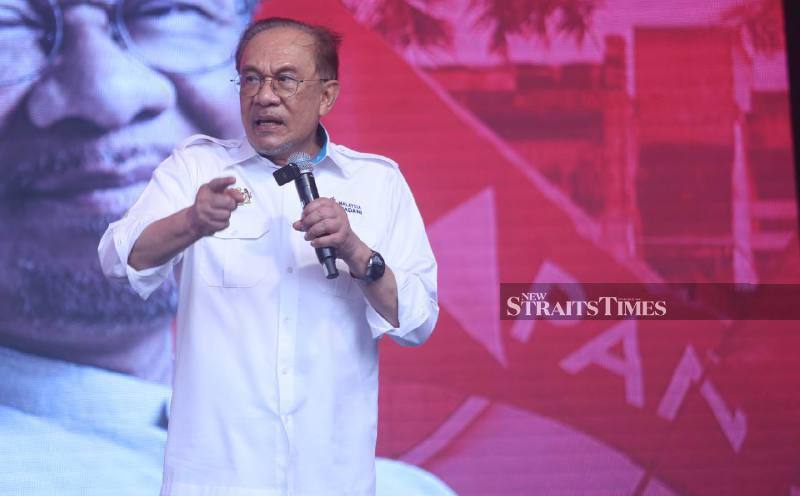
EXPLAINER: Najib's house arrest – How it works and who else could apply
KUALA LUMPUR: Datuk Seri Najib Razak's conditional house arrest order raises questions about its legal basis, implementation and whether other prisoners could seek similar arrangements.
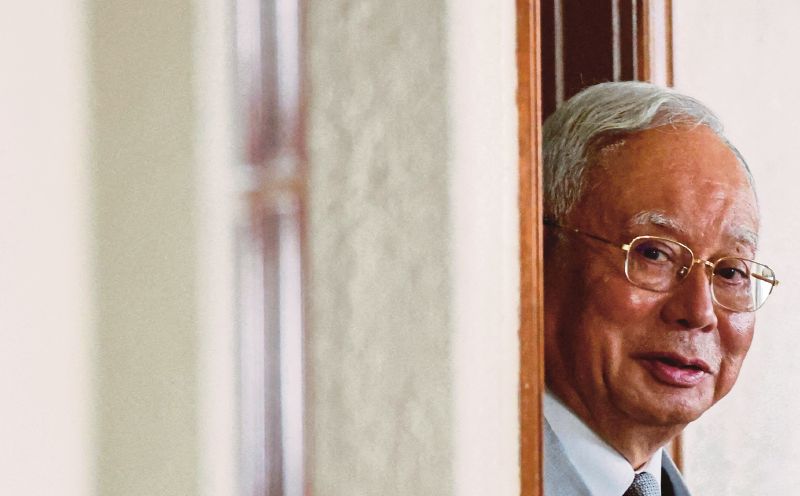
Former Malaysian Prime Minister Najib Razak, convicted in a corruption scandal known as 1MDB, has been granted royal clemency and will serve the remainder of his six-year sentence under house arrest, according to the Malaysian Prime Minister's legal department. King Sultan Ibrahim granted a conditional pardon, which allows Najib to remain under house arrest until August 23, 2028, provided he pays a fine of 50 million Malaysian ringgit ($12.3 million; €10.7 million).
Najib, 73, is currently incarcerated for his role in the 1MDB scandal, which allegedly involved misappropriation of state funds and laundering of at least $4.5 billion. Initially sentenced to 12 years in prison in 2020, Najib began serving his sentence in 2022. He was also convicted in December 2025 of abuse of power and money laundering, facing a 15-year sentence that will commence after his current term ends.
It remains unclear whether the clemency applies to both convictions. Najib's legal team has not commented on the decision, and it is unclear when he will be released into house arrest. The 1MDB scandal has tarnished Najib's political career and led to his party's defeat in the 2018 election.
Written by urgent.news from DW News's reporting — not their text. Machine-written — may contain errors; check the original before relying on it.