'Engineered for affordability': Lockheed Martin says Vectis stealth combat drone family will come before 2028 — promotion videos show two hidden missile bays
Lockheed Vectis combines autonomous operation, internal weapons storage, and stealth features as Lockheed develops a higher-end CCA for the Air Force.
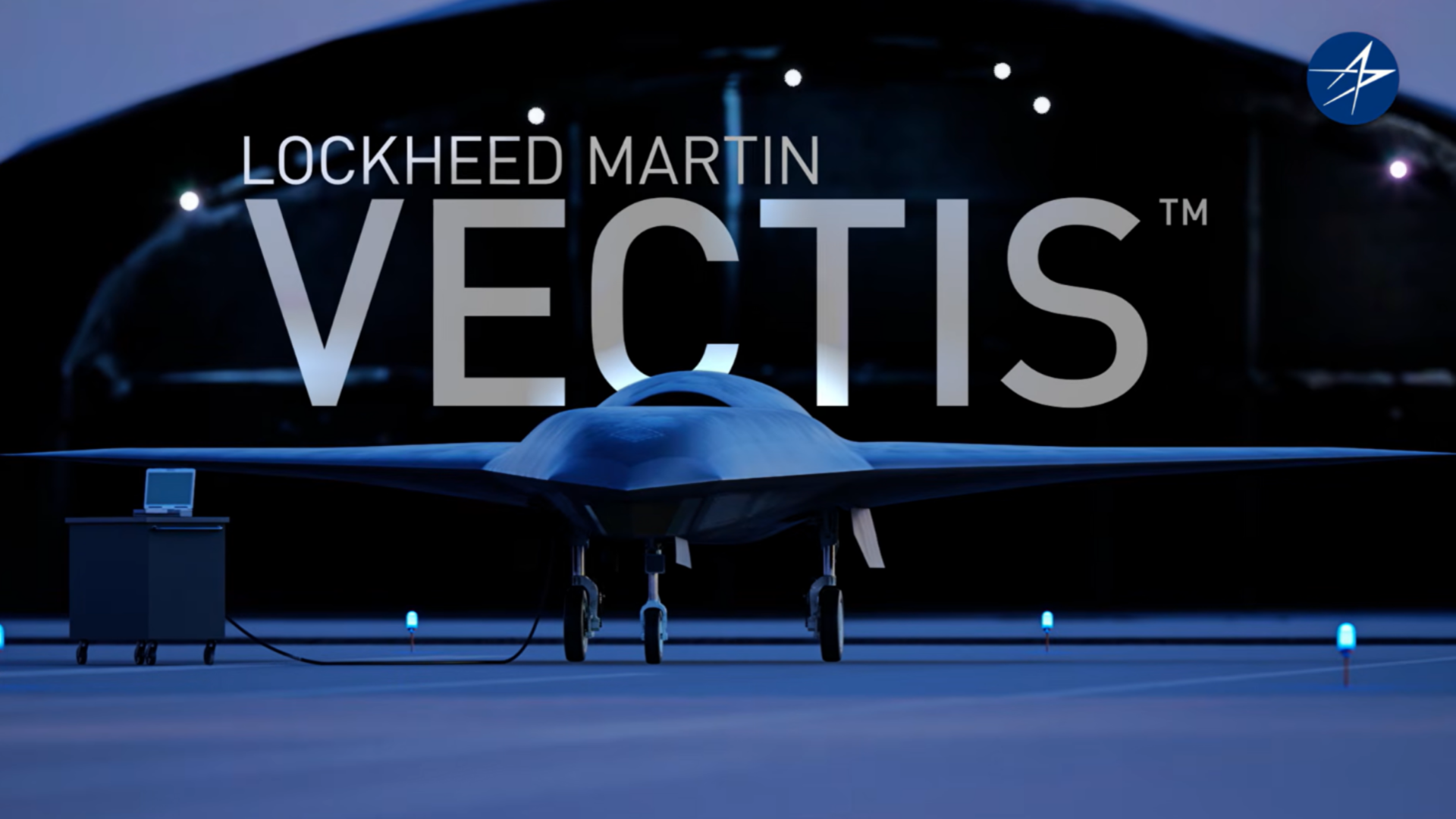
Lockheed Martin announces that its Vectis stealth combat drone family will be ready before 2028. The company's promotional videos reveal two hidden missile bays within the aircraft. Lockheed expects the first Vectis prototype to fly in 2027, with four more aircraft entering development and testing. Vectis is designed for autonomous missions, potentially working alongside crewed fighters like the F-35 and future platforms.
The aircraft measures approximately 34 feet in length and 38 feet in wingspan. Detailed performance specifications are not disclosed, but Lockheed emphasizes the aircraft's affordability, survivability, and adaptability for various missions. Vectis will be developed for the Air Force's Increment 2 requirement, following the loss of the earlier Increment 1 competition.
The Air Force's requirements for Increment 2 are still being developed, so the balance between affordability, survivability, and capability remains uncertain. Earlier Increment 1 requirements called for a combat radius of over 700 nautical miles, while the later requirement may demand greater performance. Lockheed aims to achieve affordability through simpler stealth features and the use of manufacturing methods like 3D printing.
Written by urgent.news from TechRadar's reporting — not their text. Machine-written — may contain errors; check the original before relying on it.