Early voting begins in US midterm elections
Henrico: In-person voting for this year’s midterm elections begins Friday, ushering in the final six weeks for Americans to decide who they trust to lead Congress through a cost-of-living crisis, a prolonged war in Iran and other pressing issues. Election administrators say they’re prepared and confident the vote will be accurate and secure. Nevertheless, President Donald Trump has continued with…
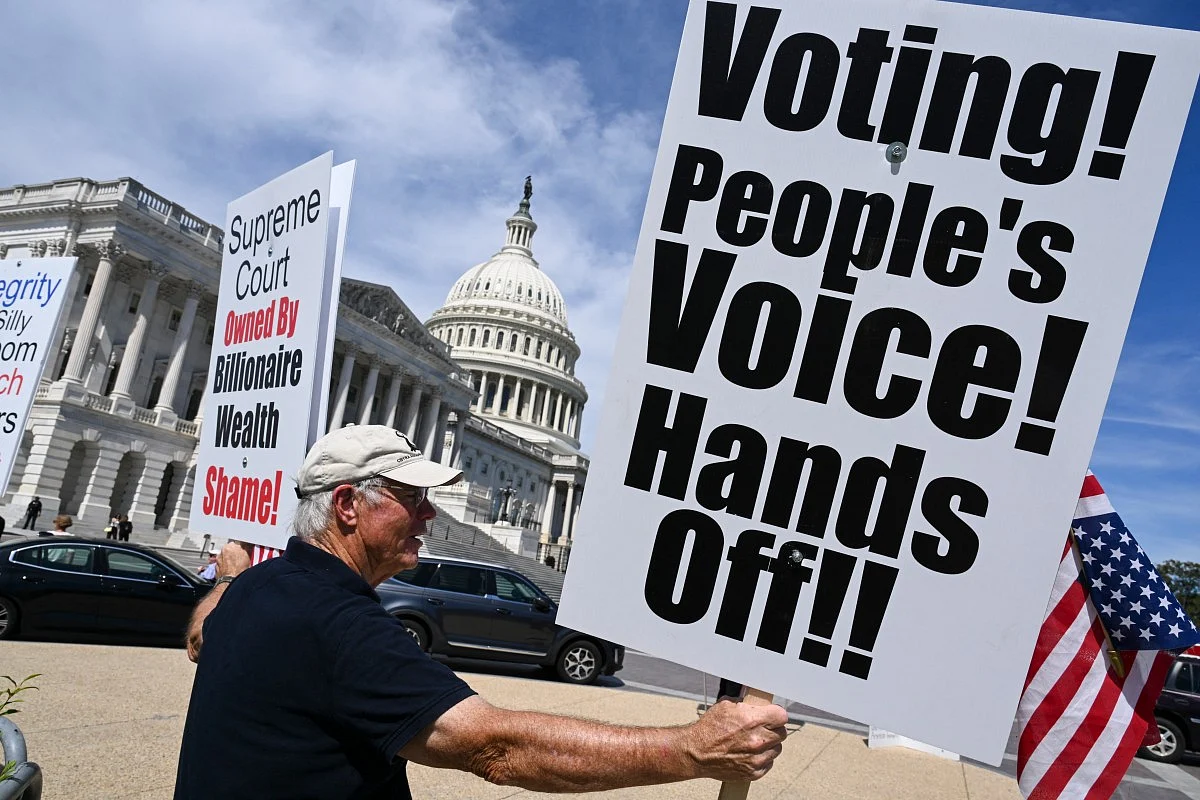
Early voting commenced in the US midterm elections on Friday, marking the final six weeks for Americans to choose their preferred leaders for Congress amidst pressing issues like a cost-of-living crisis, the prolonged Iranian war, and AI technology risks. Election officials expressed confidence in the vote's accuracy and security, though President Donald Trump persisted in efforts to discredit certain voting methods and alter how US elections function through court challenges, a federal hunt for noncitizen voters, and a campaign to compel election officials to divulge sensitive voter data.
Early voting also started in a few other states, including Idaho, Minnesota, and South Dakota, with broader early voting set to commence in the coming weeks.
The Nov. 3 election encompasses votes for governor and state legislature in most states, determining whether Republicans retain their majorities in the US House and Senate. A Democratic victory could shift the direction of the final two years of Trump's term, potentially leading to investigations and oversight efforts. Early voting's launch occurs amidst widespread American concern over issues such as surging gas and grocery prices, the Iran war, AI technology risks, and Trump's aggressive immigration enforcement.
The start of early voting comes after Trump urged the Republican-controlled Texas legislature to redraw its congressional map, affecting millions of residents, as research indicates one in ten Americans now belongs to a different congressional district than in 2024. These partisan efforts are anticipated to persist before the 2028 elections following a recent Supreme Court ruling that weakened the federal Voting Rights Act's safeguard against racially discriminatory redistricting.
Trump has continued his efforts to exert federal control over election administration despite the Constitution designating state power over elections. Although the Supreme Court rejected Trump's attempt to restrict mail ballots, some of his administration's other attempts to influence the voting process and gather state voter lists for ineligible voters remain active.
Trump has consistently raised concerns about widespread non-citizen voting, yet research continues to demonstrate its rarity despite his administration's claims of hundreds of thousands of individuals unlawfully on voting rolls.
David Becker, executive director and founder of the Center for Election Innovation and Research, expects Trump to persist in his "disinformation campaign and attack on election officials," but believes the process will remain stable as in previous years. Voting rights advocates urged voters to utilize mail ballots early, citing recent USPS changes that could delay postmark application to ballots.
Hannah Fried, co-founder and CEO of the voting rights group All Voting Is Local, emphasized that early voting, whether in person or by mail, benefits communities by offering options, shortening Election Day lines, and potentially expediting results. Minnesota Secretary of State Steve Simon reassured voters that their elections would remain free, fair, accurate, honest, and secure.
Written by urgent.news from Gulf News's reporting — not their text. Machine-written — may contain errors; check the original before relying on it.