Dolly Parton, Gloria Steinem, and Why Grieving a Celebrity Feels So Personal
Research has found grieving together is more beneficial than doing so without help, writes Lisa McCarty.
In recent months, the world has experienced collective mourning for several notable public figures, including Dolly Parton, Gloria Steinem, Bob Mackie, and Tim Curry. Fans, followers, and colleagues have been deeply affected by their unexpected deaths, with tributes going viral on social media platforms.
These individuals may seem distant on screen or stage, yet many people feel a personal connection to them, forming what psychologists refer to as parasocial relationships. These one-sided emotional bonds with public figures can lead to a phenomenon called parasocial grief when such celebrities pass away, causing collective grief among fans and colleagues.
Grief therapist Gina Moffa explains that this shared mourning occurs when a large group of people mourn simultaneously, even if they never knew the individual personally or were directly affected. This shared experience is not limited to public figures but also extends to tragedies like 9/11, Sandy Hook, COVID-19, and the Nepal floods.
Psychotherapist Olivia Verhulst notes that even though parasocial grief doesn't require a reciprocal relationship, it can trigger strong emotions such as shock, disbelief, and confrontation with mortality. A 2025 study in Acta Psychologica found that parasocial grief can negatively impact mental health, potentially leading to unhealthy coping mechanisms such as substance use.
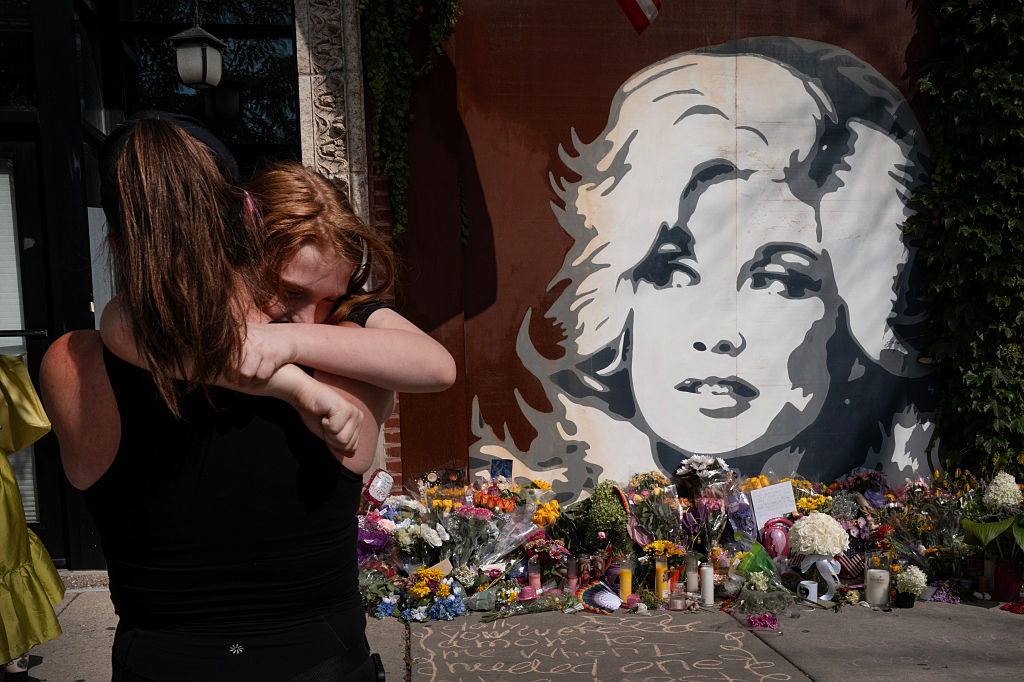
Unlike traditional individual grief, bereavement after the death of a public figure tends to be more diffuse, lacking the structured rituals typically associated with funerals. Instead, social media has emerged as a primary platform for collective mourning, with comment sections serving as public memorials. For instance, after Dolly Parton's passing, fans held up their iPhones with flashlights during Harry Styles' concert, and at her funeral, people expressed gratitude and heartbreak by leaving flowers and cards outside her home.
Verhulst argues that the most significant difference in mutual sorrow is its being witnessed, which can offer more validation than individualized grief due to our innate desire for connection. Throughout history, significant losses have sparked public outpourings of grief, such as the funerals of President John F. Kennedy, Martin Luther King Jr., and Princess Diana.
While society often pressures individual grievers to move on from their losses, the current cultural acceptance of shared bereavement has grown, with social media serving as a modern "funeral" space where people can come together online. Research indicates that grieving together can be more beneficial than going through the process alone.
In this context, working with a therapist, such as through cognitive behavioral therapy, can provide a safe space for expressing discomfort and validating feelings of loss over someone who may not have been personally known. Integration techniques, such as creating small rituals in honor of the deceased or sharing memories with others, can also help facilitate healing and provide a sense of connection to the community.
Written by urgent.news from Time's reporting — not their text. Machine-written — may contain errors; check the original before relying on it.