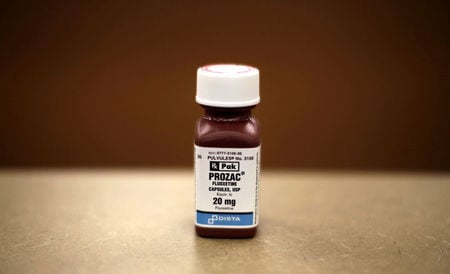
Do antidepressants actually alter brain structure? A massive neuroscience study weighs in
A sweeping new study of nearly 8,700 brain scans found that subtle structural differences in people taking antidepressants are mostly explained by the severity of their illness and their age, rather than the medications themselves.
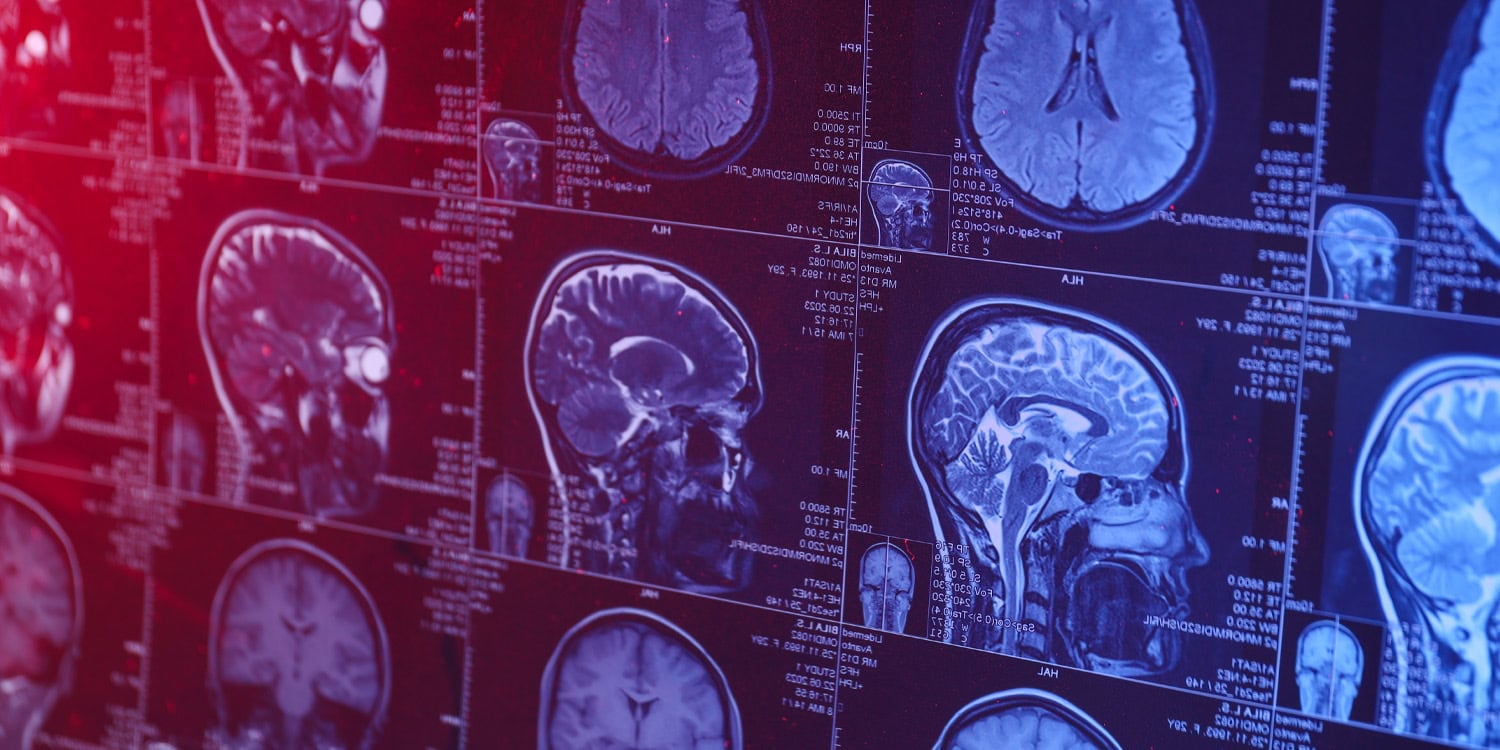
A major brain imaging study has determined that the structural differences in people taking antidepressants are mainly due to the severity of their depression, not the drugs themselves. The study, published in Molecular Psychiatry, indicates that the relationship between depression, medication use, and brain anatomy evolves with a person’s age, with younger patients displaying distinct patterns.
Major depressive disorder is a debilitating condition that ranks among the top causes of disability worldwide. Antidepressants are often prescribed to treat it, yet the exact biological mechanisms remain unclear. A 2006 theory suggested that chronic stress and depression might damage brain cells, and that antidepressants could promote the growth of new cells in deep brain regions.
A 2026 study found that treatments like duloxetine could normalize the microscopic structure of brain tissue in depressed patients, while those given a placebo had their brain tissue drift further from healthy levels. To examine these effects on a larger scale, researchers used data from the ENIGMA consortium, an international network of brain researchers.
This consortium had previously mapped how depression alters the brain, such as finding that people with major depression often have a smaller hippocampus, a seahorse-shaped structure crucial for memory and emotion. The researchers analyzed data from 32 international cohorts, including 8,696 individuals divided into three groups: 2,076 people with major depressive disorder who were currently taking antidepressants, 1,495 with the disorder but not taking antidepressants, and 5,125 healthy controls with no history of the condition.
Participants underwent structural magnetic resonance imaging (MRI) to measure the thickness of the cerebral cortex, the total surface area of this outer layer, and the volume of subcortical structures. The analysis revealed that younger individuals on medication had a thinner middle temporal gyrus compared to unmedicated patients and healthy controls.
The middle temporal gyrus, involved in processing sensory information and emotional cues, showed no significant difference in older individuals. The researchers concluded that age plays a significant role in the relationship between antidepressant use and brain structure, suggesting that the effects may not be consistent across a person’s lifespan.
Written by urgent.news from PsyPost's reporting — not their text. Machine-written — may contain errors; check the original before relying on it.