Courts asked to shut 130 farms for breaching nitrogen limits
Around 130 farmers risk being forced to give up their businesses after environmental group Mobilisation for the Environment (MOB) petitioned...
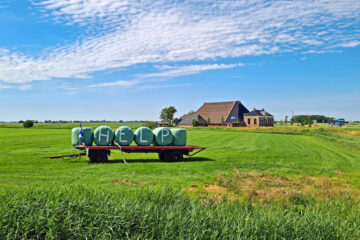
Around 130 Dutch farmers face the possibility of losing their businesses after environmentalists petitioned courts to revoke their nature permits, according to RTL's investigation. The legal action was taken by Mobilisation for the Environment (MOB) in 10 provinces since 2023, targeting farms that exceed nitrogen deposition limits near Natura 2000 conservation areas.
Provincial governments have dismissed MOB's applications, claiming the Dutch cabinet is working on a voluntary buyout scheme and other measures to reduce livestock numbers and nitrogen pollution. The government aims to cut ammonia emissions by 42% to 46% by 2035 compared to 2019 levels, but these measures have yet to be approved by parliament.
The failure of successive governments to devise a definitive plan since the Council of State deemed the system for issuing nature permits illegal in 2019 has led MOB to take the provinces to court. The majority of the requests were made in southern provinces like Noord-Brabant, Limburg, Gelderland, and Overijssel, where intensive pig, poultry, and cattle farming is prevalent.
Noord-Brabant decided to withdraw its permits in July after the one-year deadline to resolve the matter with MOB expired. Agriculture minister Jaimi van Essen stated that court orders to shut down farms are "exactly what we're trying to prevent" with the government's package of measures, which includes a 5% to 10% reduction in livestock numbers as a last resort.
However, environmental law professor Chris Backes from Utrecht University questioned whether the government's plans are sufficient, stating that while some nature areas may be adequately protected, provinces will likely need to implement additional measures in most cases.
Written by urgent.news from DutchNews's reporting — not their text. Machine-written — may contain errors; check the original before relying on it.