Climate migration could worsen land, water conflicts in Upper East – Regional Minister
The Upper East Regional Minister, Akamugri Donatus Atanga, has warned that climate-driven migration and displacement could intensify pressure on land, water and other scarce resources, with potential consequences for security in the region. According to him, the combined effects of climate change, declining agricultural productivity and insecurity in the Sahel are driving increasing movements of…
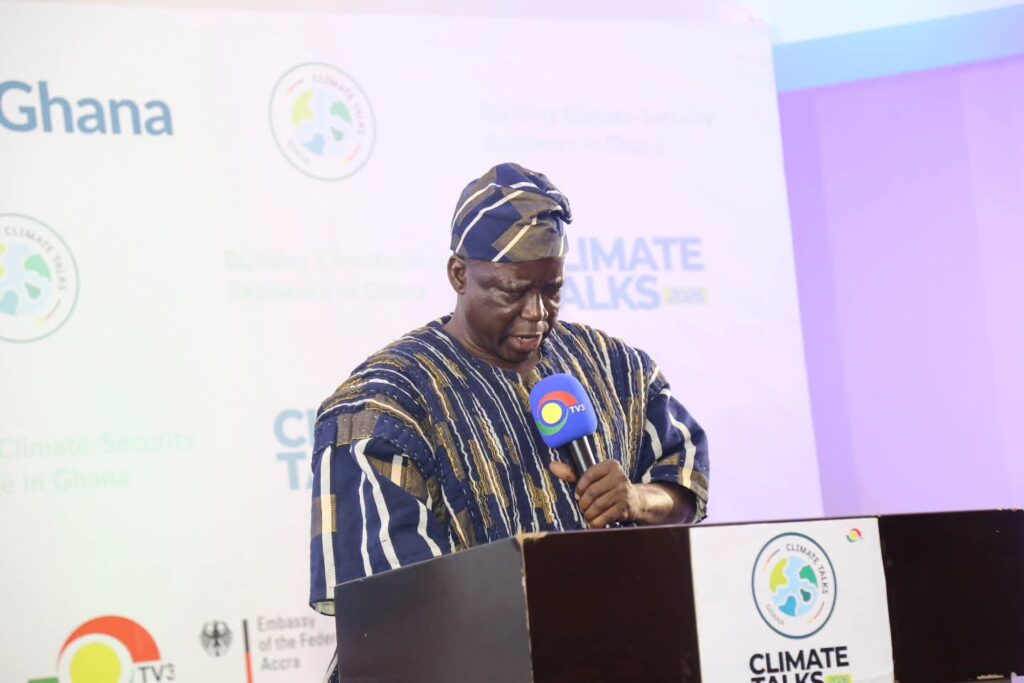
The Upper East Regional Minister, Akamugri Donatus Atanga, has cautioned that climate change and related factors could exacerbate land, water, and resource conflicts in the region, potentially leading to security issues. He highlighted that climate-driven migration and displacement are straining communities in Ghana, particularly those in the Upper East Region, which borders Burkina Faso and Togo.
Atanga noted that prolonged drought, erratic rainfall, land degradation, and declining agriculture have put immense pressure on people who rely heavily on agriculture and natural resources. This situation has been further exacerbated by insecurity in parts of the Sahel, leading to an increase in displacement towards more stable countries like Ghana.
The Minister pointed out that the region is already accommodating displaced populations, such as at the Tarikom refugee camp in Bawku West District and in communities like Kugri, Widana, Sapeliga, and Widnaba. These influxes are straining already limited resources and essential services, including water, sanitation, healthcare, education, food security, and livelihoods.
He warned that growing competition over resources like land, water, grazing areas, housing, and jobs could spark land disputes, farmer-herder conflicts, and communal violence if not properly managed. Atanga emphasized that Ghana's response to this crisis should go beyond merely providing humanitarian aid to displaced persons and should also support host communities, preventing them from becoming "invisible victims" of displacement.
He advocated for robust border security measures, such as enhanced intelligence sharing, early warning systems, community engagement, and resilient institutions. Atanga also stressed the importance of government initiatives like the Resetting Ghana Agenda and the Upper East Region’s PEARL Framework (2026–2035), which aim to build resilience against climate and economic shocks through climate-smart agriculture, irrigation, water-resource management, environmental restoration, and livelihood diversification.
He called for a collaborative response involving government bodies, security agencies, traditional authorities, communities, development partners, academia, civil society, and the private sector, urging deeper cooperation with neighboring countries, especially Burkina Faso, to address challenges at national boundaries.
Written by urgent.news from Adom Online's reporting — not their text. Machine-written — may contain errors; check the original before relying on it.