Climate change will harm our health. Here's what could protect us.
The impacts of climate change on health are becoming clearer. What can we do to respond?
Burning up, part two: Protecting health from climate change
As the world continues to warm, it is crucial to find effective solutions to mitigate the health impacts of climate change. While reducing carbon emissions is the most effective way to avoid the worst outcomes, there are several measures that can help protect people from extreme heat and wildfire smoke exposure.
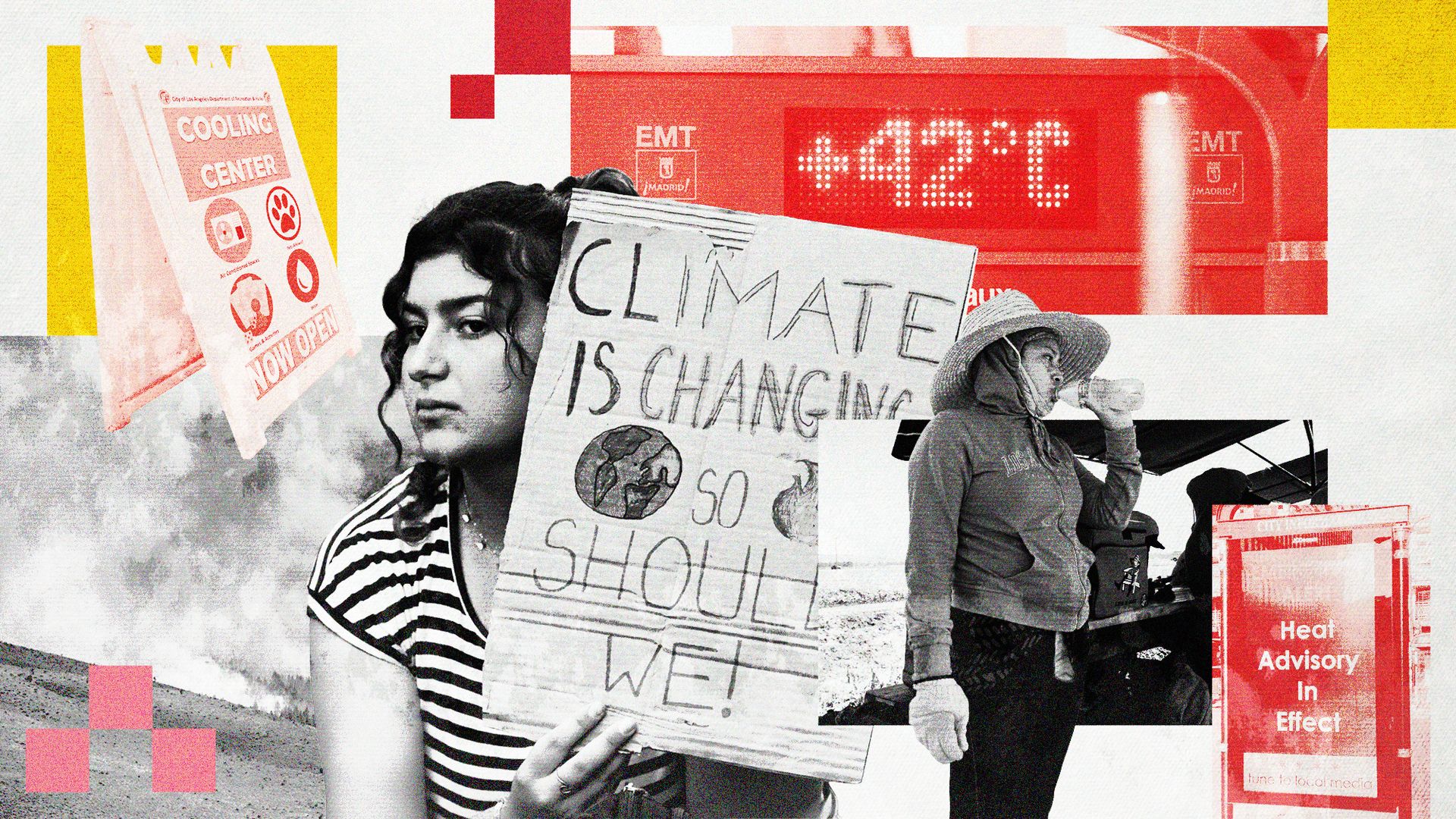
In New York City, lowering the threshold for activating the emergency heat plan resulted in a more than 50% reduction in hospitalizations for heat stroke and related illnesses on hot days. This intervention demonstrates the potential of targeted outreach, alerts, and the opening of cooling centers in safeguarding vulnerable populations.
For extreme heat, air conditioning and heat pumps have shown strong evidence in reducing hospital admissions and heat-related deaths. However, air conditioning alone is not sufficient, as it can be vulnerable to power outages and contribute to outdoor warming. Moreover, affordability remains a significant barrier for many people, leading to the "heat or eat" dilemma where families prioritize energy bills over food purchases.
Shade, rest, and hydration outdoors have also proven effective in reducing heat-related health risks. For outdoor workers, mandated rest, shade, hydration, and sanitation breaks have shown promising results in sugarcane workers in Central America. Interventions should focus on reducing illness, hospital visits, or death rather than merely targeting intermediate markers like heat exposure and pollution levels.
In conclusion, while climate change will undoubtedly have wide-ranging effects on our health, there are several promising solutions to protect people from extreme heat and wildfire smoke exposure. Combining targeted outreach, shade, rest, hydration, and access to cooling systems can help mitigate the health impacts of a warming planet.
Written by urgent.news from Live Science's reporting — not their text. Machine-written — may contain errors; check the original before relying on it.