CFTC Files Crypto Regulation Proposal After Clarity Act Fails
The Commodity Futures Trading Commission has submitted to the Office of Management and Budget a proposal to regulate crypto asset transactions and crypto asset markets, according to a pending regulatory review notice on an OMB website. The proposed rule, which has not yet been published on the site, was submitted Thursday (Sept. 17), according to […] The post CFTC Files Crypto Regulation Proposal…

The Commodity Futures Trading Commission (CFTC) has submitted a proposal to the Office of Management and Budget to regulate crypto asset transactions and markets, according to a pending regulatory review notice on an OMB website. The proposal was submitted on Thursday, September 17, and has not yet been published on the site. The CFTC would have been the primary regulator for cryptocurrencies under the Clarity Act, which failed to pass in the Senate.
CFTC Chairman Michael Selig said in August that he would ask his staff to find ways to codify market structure for digital assets if the bill did not advance. Selig highlighted the CFTC's filing with the OMB in a post on X, drawing attention to the proposal. In August, Selig stated that if Congress did not pass the Clarity Act, the CFTC would use its existing authorities to establish a crypto asset market regime.
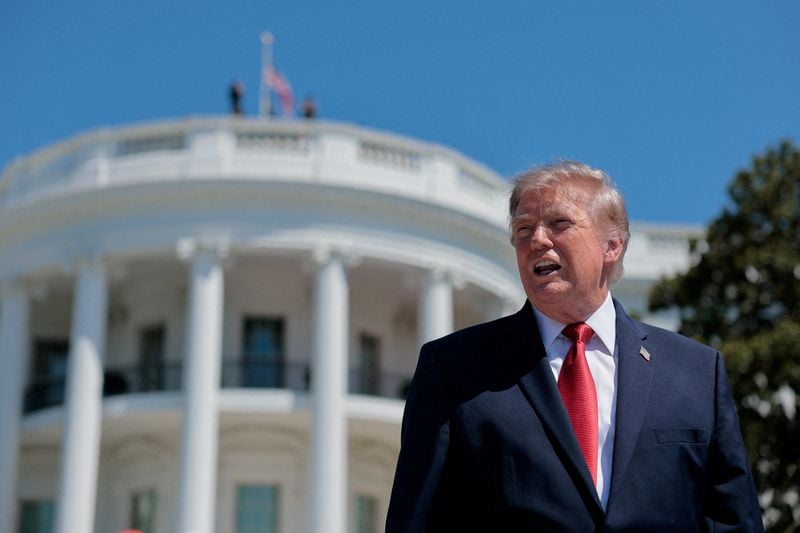
Selig emphasized the importance of providing regulatory clarity to the American people, noting that President Trump had promised to deliver a crypto asset market structure, which the CFTC would help deliver if Congress failed to act. The Clarity Act lost a procedural vote in the Senate on Tuesday, September 15, leaving the cryptocurrency industry without comprehensive federal market structure legislation.
Both the crypto and banking industries expressed the need for continued action from lawmakers, with Coinbase CEO Brian Armstrong stating that the industry cannot wait for Congress and expects clear rules to emerge under existing authority from the SEC and CFTC.
Written by urgent.news from PYMNTS's reporting — not their text. Machine-written — may contain errors; check the original before relying on it.