Calling drivers entrepreneurs won’t create better jobs
Rebranding gig drivers as "entrepreneurs" might polish government employment data, but no administrative label can turn precarious, low-productivity survival into a genuine path to prosperity.
Rebranding gig drivers as entrepreneurs might polish government employment figures, yet it cannot transform precarious, low-wage work into a genuine route to prosperity. In July 2024, a reporter observed a pathway in a district of Jakarta. Municipal staff cleaned it early Sunday morning. By midweek, it reeked of urine and was again strewn with plastic bottles, food waste, and cigarette butts.
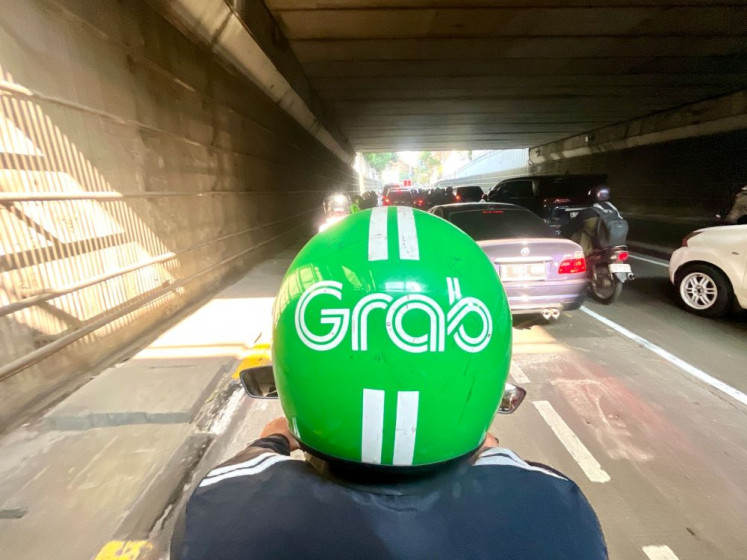
Motorcycles crowded the path, their riders perched on the seats, gazing at phone screens while awaiting ride requests. The government has since assigned these workers a new classification. On July 1, the Micro, Small, and Medium Enterprises (MSMEs) Ministry declared that two-wheeled ride-hailing drivers would automatically be considered online micro-transportation entrepreneurs, thereby granting them entry to standard micro-enterprise support initiatives.
This reclassification creates an odd statistical effect. Statistics Indonesia (BPS) already counts anyone who earns money during a survey reference week as employed. An individual who starts driving for a platform, therefore, ceases to be officially unemployed. However, the individual is then counted again as an enterprise operator by the MSME Ministry.
Nonetheless, the work remains unchanged. The driver still waits for orders. Gas still costs money. The motorcycle still declines in value. Daily earnings still rely on platform algorithms and customer demand. While labeling a driver as an entrepreneur does not make a labor hour more productive, nor does it guarantee a better living.
A platform can efficiently use an otherwise idle vehicle or absorb a few spare hours. Still, these hours must support an entire household. An order only covers a single journey, but household expenses persist whether orders surface or not. Fares must cover fuel, maintenance, and hours of unpaid waiting, while still generating enough for daily necessities, healthcare, and retirement.
Sustainable work must sustain a household throughout each workday and over year-long periods, including when the driver cannot work at all. Platform growth and individual economic advancement must be evaluated separately. A rising customer and driver base may increase the number of completed trips across the whole system. However, comprehending the impact on the driver requires considering how many hours, particularly unpaid waiting time, were spent on the road, and what net income remained after operating expenses.
Aggregate platform statistics provide no insight into whether accumulated experience actually enhances a driver's long-term earnings potential.
Written by urgent.news from The Jakarta Post Academia's reporting — not their text. Machine-written — may contain errors; check the original before relying on it.