British Army spends £16M on 1,000 pocket-sized eyes in the sky
Surveillance and training drone systems will come through three UK suppliers, though some are built overseas
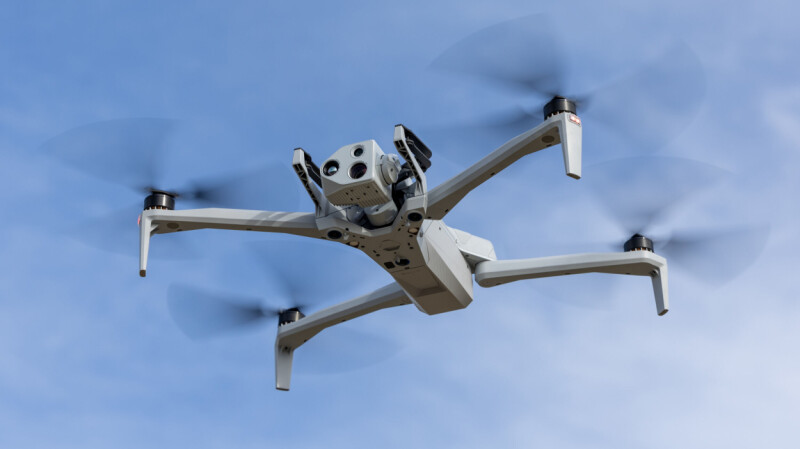
The British Army has allocated £16 million ($21 million) to procure over 1,000 pocket-sized drones for battlefield surveillance and training purposes. The Ministry of Defence (MoD) has contracted three UK-based companies, along with some overseas technology, to supply the drones. The drones come in three models: 670 Skydio X10 quadcopters, 245 FOXE-NATO drones from Evolve Dynamics, and 110 SONORA drones through a partnership between Brigantes Consulting and Harmattan AI.
The Skydio X10, weighing approximately 2.49 kg (5.5 lb), can travel at 45 mph with a flight time of up to 40 minutes. They are intended for surveillance purposes. The FOXE-NATO drones, weighing under 250 g (0.55 lb), are designed for quick deployment and ease of use, making them ideal for intelligence, surveillance, and reconnaissance roles. Lastly, the SONORA drones, weighing less than 1.8 kg (4 lb), are intended for training, capable of being deployed in under a minute.
These drones are part of Project Rapstone, an Army program that aims to move new technology from industry to the front line within 24 months. The purchase follows a £400 million ($534 million) deal to replace the Army's problematic Watchkeeper fleet with Tekever AR5 drones. The AR5, a larger fixed-wing drone, can carry a 50 kg (110 lb) payload and remain airborne for up to 20 hours.
The Minister for Defence Readiness and Industry, Luke Pollard MP, emphasized that these small drones provide soldiers with valuable eyes on the battlefield, while the AR5 offers commanders improved intelligence. The British Army aims to standardize small, reliable unmanned aerial systems across all tactical levels.
Written by urgent.news from The Register Science's reporting — not their text. Machine-written — may contain errors; check the original before relying on it.
Also reported by 1 other outlet
- British Army spends £16M on 1,000 pocket-sized eyes in the sky theregister.com