Bones behind the bungalow: How the Nithari serial killing case unravelled
Surendra Koli, once convicted and later cleared of multiple counts of rape, murder, and destruction of evidence in the Nithari serial killings, passed away on Friday morning, apparently by suicide. His body was discovered in a tea stall in Haridwar. Local police have maintained a degree of discretion, confirming the identity and stating the body was found hanging from the ceiling.
Koli had relocated to Haridwar a few months prior to the incident, likely to escape the constant reminders of his past and the daily infamy associated with it. The Nithari serial killings took place between 2005 and 2006 in Nithari, a small village in Noida. Over a period of time, 19 girls and young women disappeared, leaving their families searching for answers and hoping to be heard.
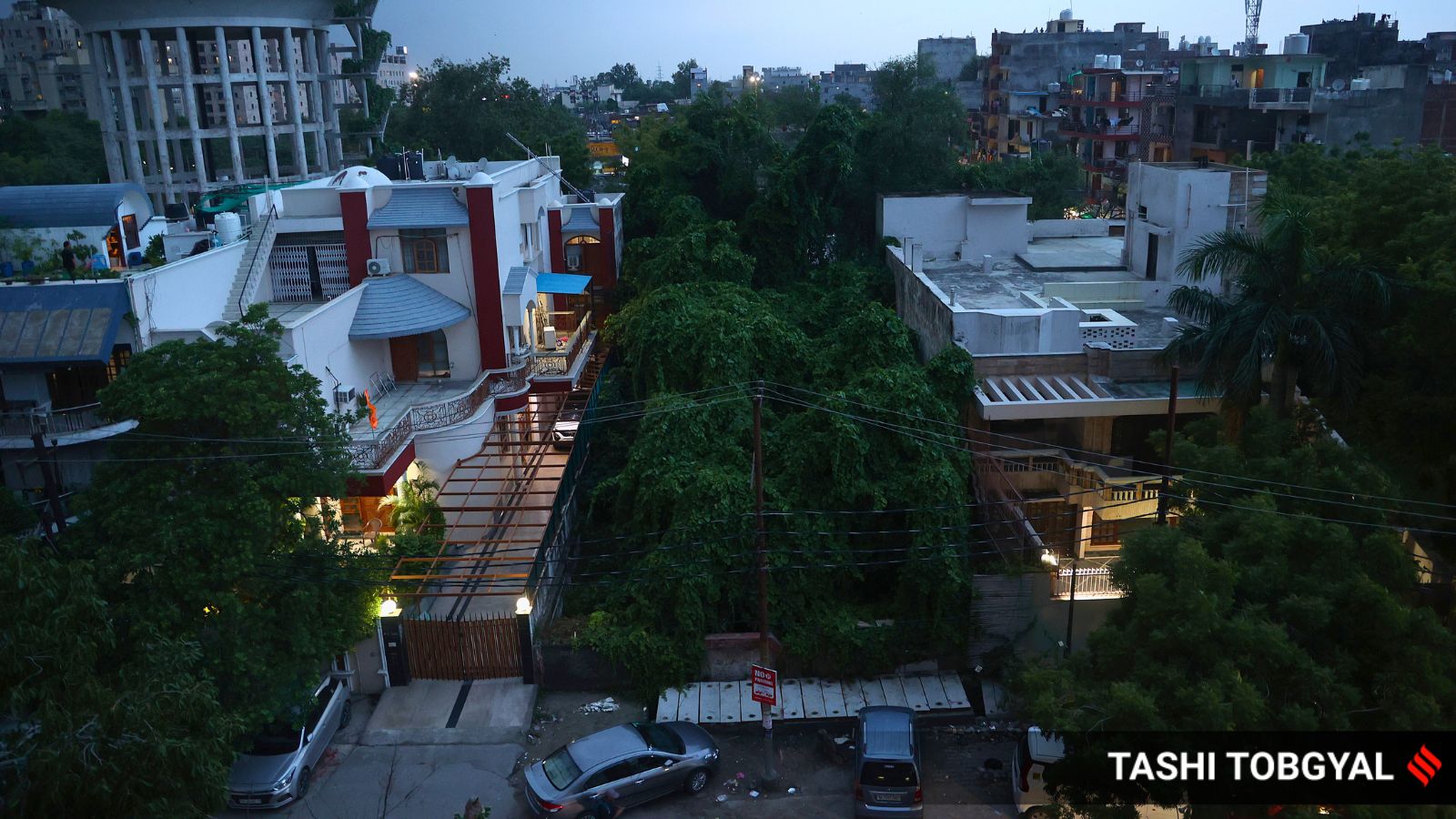
However, their pleas went unheeded, as the police either ignored or failed to assist them. It wasn't until May 2006, following the disappearance of Payal Sarkar, that the horrific truth surfaced. The dismembered and decomposed bodies of the victims were found in the drains behind a bungalow in Noida's Sector 31. The media reported the story as a horror story, and indeed, it was.
The bungalow, owned by Moninder Singh Pandher, was found to contain skulls, bone fragments, torn dresses, and children's toys. The case accused Pandher and Koli of raping and killing the 19 girls, and then dismembering the bodies in an attempt to conceal each crime. Rumors suggested the girls were being abducted and killed for their organs, leading to investigations into human trafficking and cannibalism.
Koli, who worked as Pandher's domestic help, confessed to the police, identifying 10 of the girls from photographs presented to him. Despite the overwhelming evidence, Koli was later acquitted by the Allahabad High Court in December 2023, while Pandher was acquitted of two specific cases. The Supreme Court dismissed the state's appeals in July 2025, labeling the earlier verdict a "manifest miscarriage of justice." The questions remain: who were the actual killers, and what led to the miscarriage of justice?
Written by urgent.news from The Indian Express's reporting — not their text. Machine-written — may contain errors; check the original before relying on it.
This story
This is one outlet's version. Read the fullest account.