Bolivia's tilcayo tiger cat becomes first new wildcat species in 100 years
Scientists have discovered a new species of wild cat for the first time in more than a century, a Bolivian researcher told AFP on Thursday.

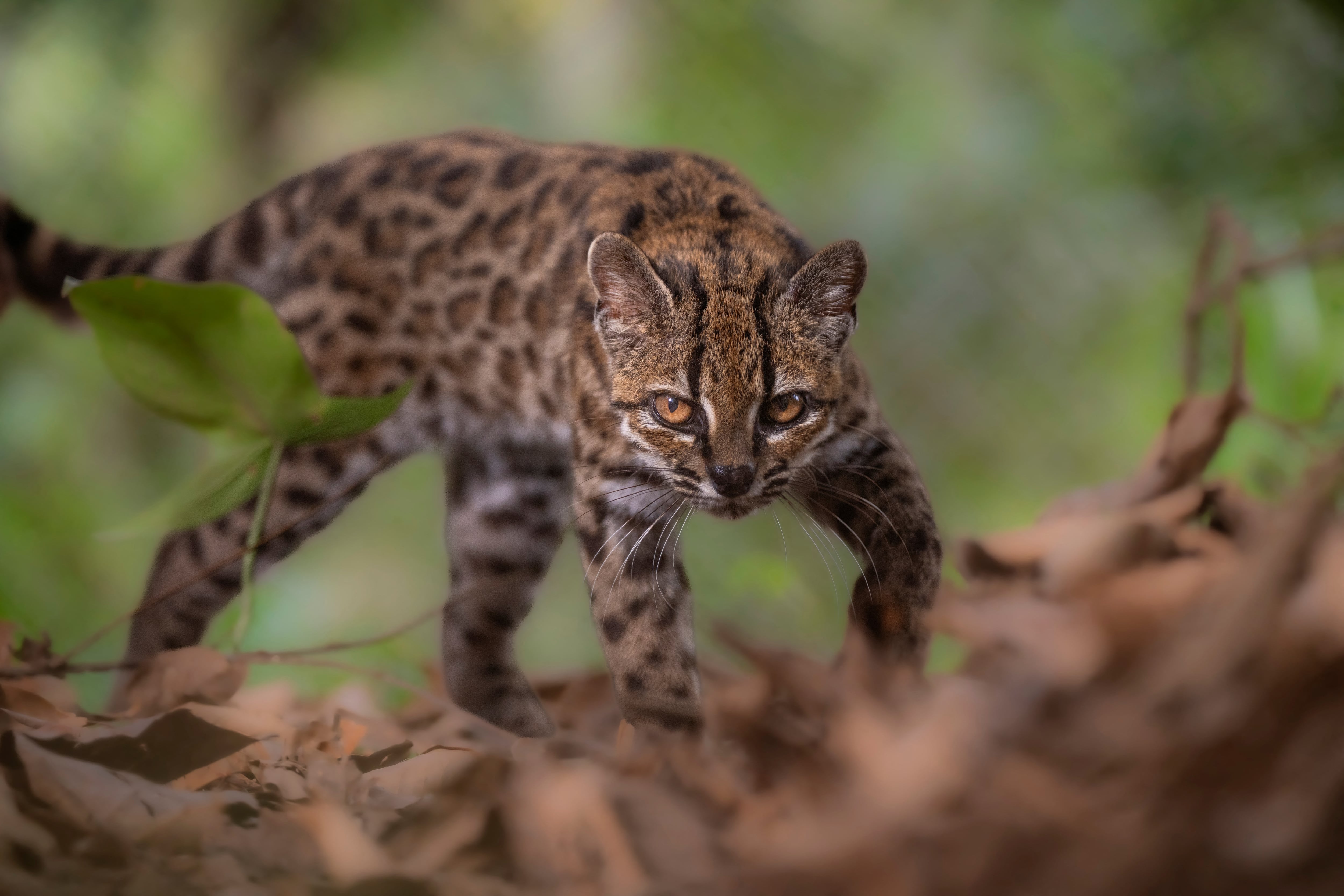
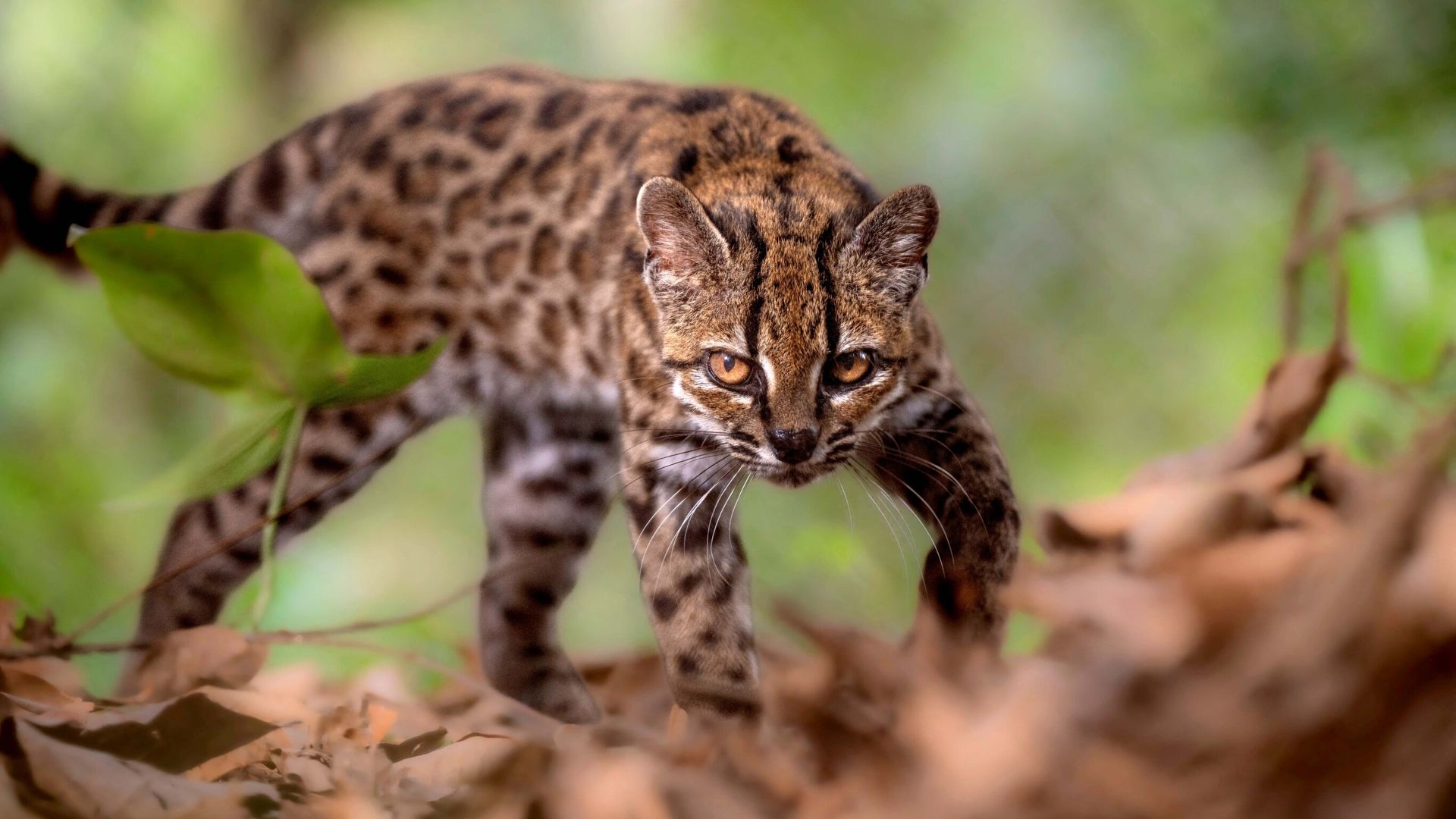
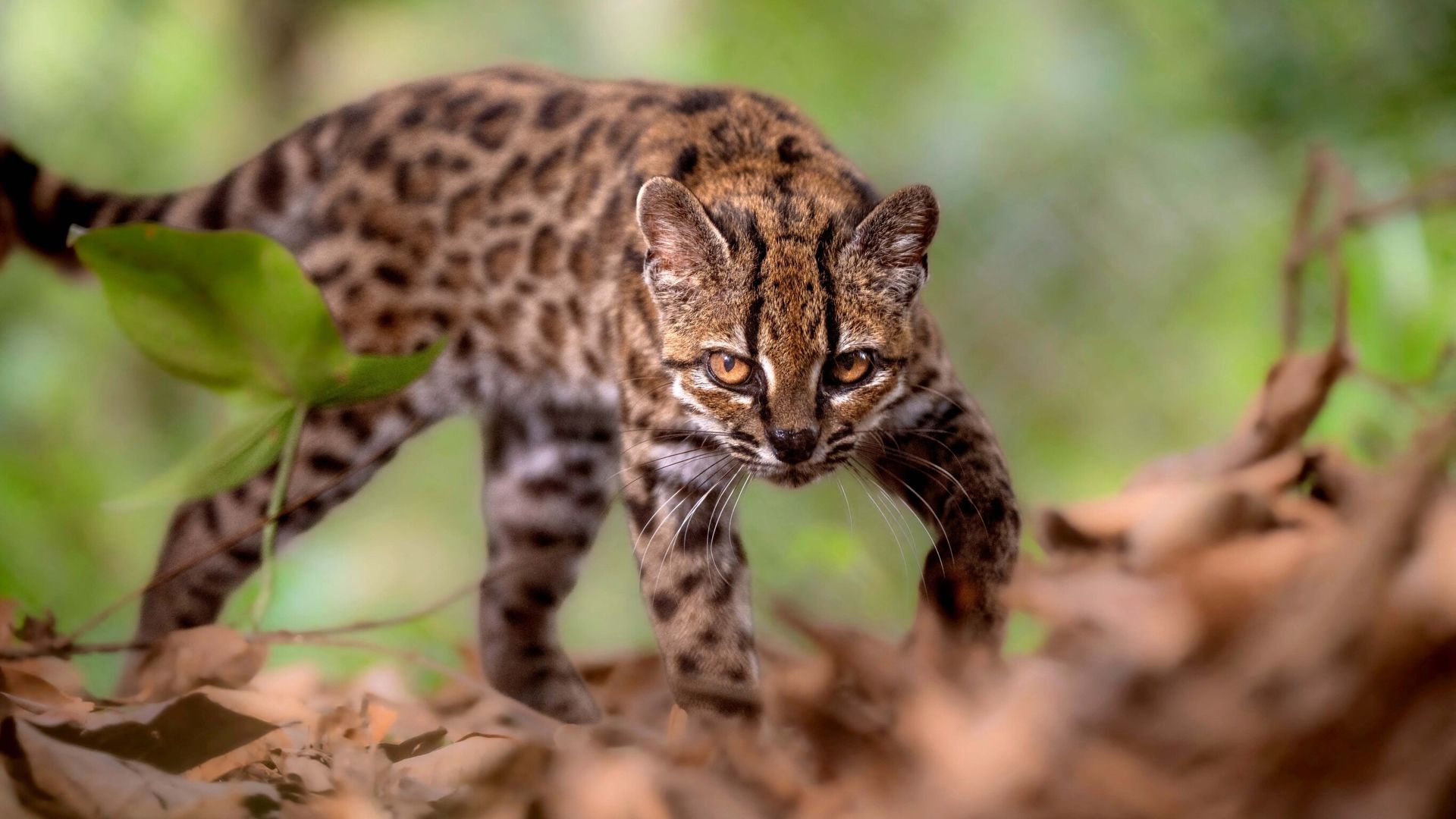
In a significant discovery, a new species of tiger cat has been identified in Bolivia's cloud forests, the first such find in over a century. Local communities refer to this elusive feline as "tilcayo," belonging to the tiger cat group prevalent in South America. Found in the Yungas forest, a region characterized by its dense cloud cover and high humidity, the cat is notably smaller than a typical domestic cat, measuring 46cm (18 inches) in length and weighing around 1.4kg (3 pounds).
The cat's fur is a light brown color, adorned with irregularly shaped rosettes across its body. Its diet, inferred from scat samples containing small rodent remains, and its likely nocturnal activity, inferred from camera-trap evidence, remain largely unknown. Researchers believe the cat's cryptic nature, making it difficult to identify through appearance alone, contributed to its unrecognized status.
The discovery was made possible by analyzing DNA from 38 cats across several South American countries, including museum specimens, which revealed that the tilcayo lineage diverged from other tiger cats approximately 1.4 million years ago. Additionally, the team described another tiger cat subspecies in Peru's Yungas, naming it Leopardus tigrinus antisuyo, honoring the Antisuyu region of the ancient Inca Empire.
Written by urgent.news from MyJoyOnline Ghana's reporting — not their text. Machine-written — may contain errors; check the original before relying on it.
This story
This is one outlet's version. Read the fullest account.
- New cat species identified in Bolivia for first time in more than a century theguardian.com
- New cat species identified in Bolivia, first in over a century scmp.com
- New Cat Species Identified in Bolivia, First in over a Century japannews.yomiuri.co.jp
- New tiger cat species identified in Bolivia, first in over a century myjoyonline.com
- New cat species ‘Tilcayo’ identified in Bolivia, first in over a century thehindu.com
- Bolivia: New cat species discovered by scientists dw.com
- In A First In Over A Century, New Cat Species Identified In Bolivia ndtv.com
- New tiger cat species identified in Bolivia, first in over a century aljazeera.com