Aurangzeb outlines five key economic priorities
ISLAMABAD: Federal Minister for Finance and Revenue Muhammad Aurangzeb on Thursday outlined five key priorities for Pakistan’s economy, including making macroeconomic stability permanent, shifting towards investment-, productivity- and export-led growth, pursuing structural reforms, moving from aid to trade and investment, and positioning the country to benefit from the New Economy. Addressing…
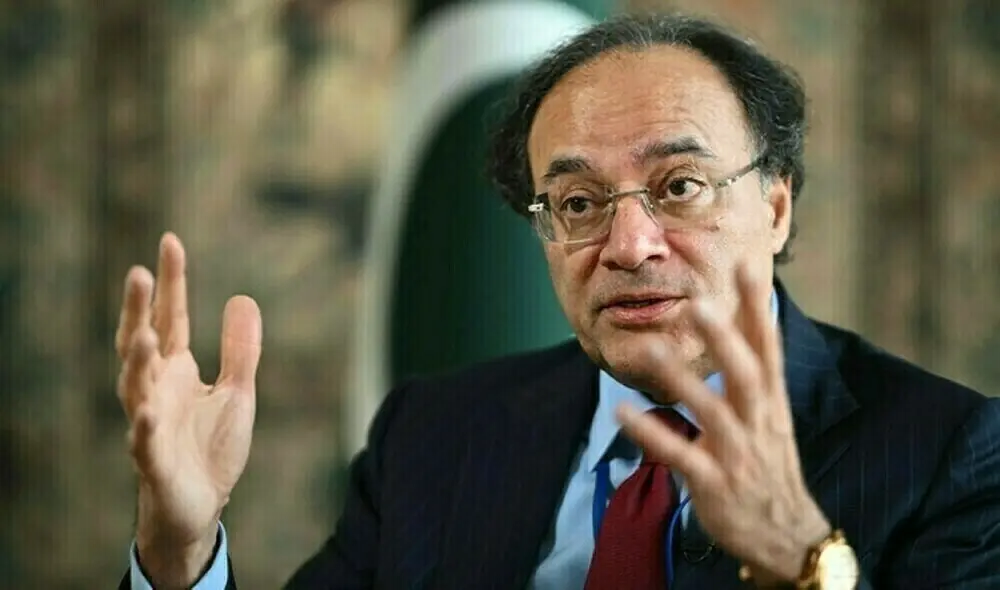
Federal Finance Minister Muhammad Aurangzeb outlined five key priorities for Pakistan's economy during the 9th Leaders in Islamabad Business Summit 2026. These priorities include creating permanent macroeconomic stability, shifting towards investment, productivity, and export-led growth, pursuing structural reforms, transitioning from aid to trade and investment, and positioning the country to benefit from the New Economy.
Addressing the summit via video link, Aurangzeb noted that Pakistan's economic position had improved and the positive trajectory continued into the current fiscal year. He emphasized that the government's immediate objective was to build on macroeconomic stability and transition to a sustainable and productive growth model. Large-scale manufacturing showed progress, while strong remittance inflows and IT exports supported the country's external account.
Aurangzeb stressed that permanence in macroeconomic stability was crucial for Pakistan's economic future and that adequate fiscal and external buffers were necessary to withstand pressures. The government aimed to support export competitiveness by providing refinancing at a lower rate to exporters and creating a conducive environment for private sector investment and productivity growth.
The finance minister emphasized the importance of improving the tax system, privatizing state-owned enterprises, reforming public finance, and embracing the New Economy, particularly digitalization and blockchain technologies. Pakistan's IT and IT-enabled services exports reached USD 4.6 billion in the previous fiscal year and are projected to reach USD 5.5 billion in the current year, with young freelancers contributing significantly to this growth.
Written by urgent.news from Business Recorder's reporting — not their text. Machine-written — may contain errors; check the original before relying on it.