Apple Watch Series 12 vs. Ultra 4 Buyer's Guide
The Apple Watch Series 12 and Apple Watch Ultra 4 bring new health sensors, a new chip, and more detailed recovery insights to Apple's smartwatch lineup, so how do they compare? Both models feature the S11 chip, 4GB of RAM, 64GB of storage, and the new Health Sensing System, which measures heart rate every five seconds throughout the day. They also share Readiness, Recovery HRV, daytime vitals,…
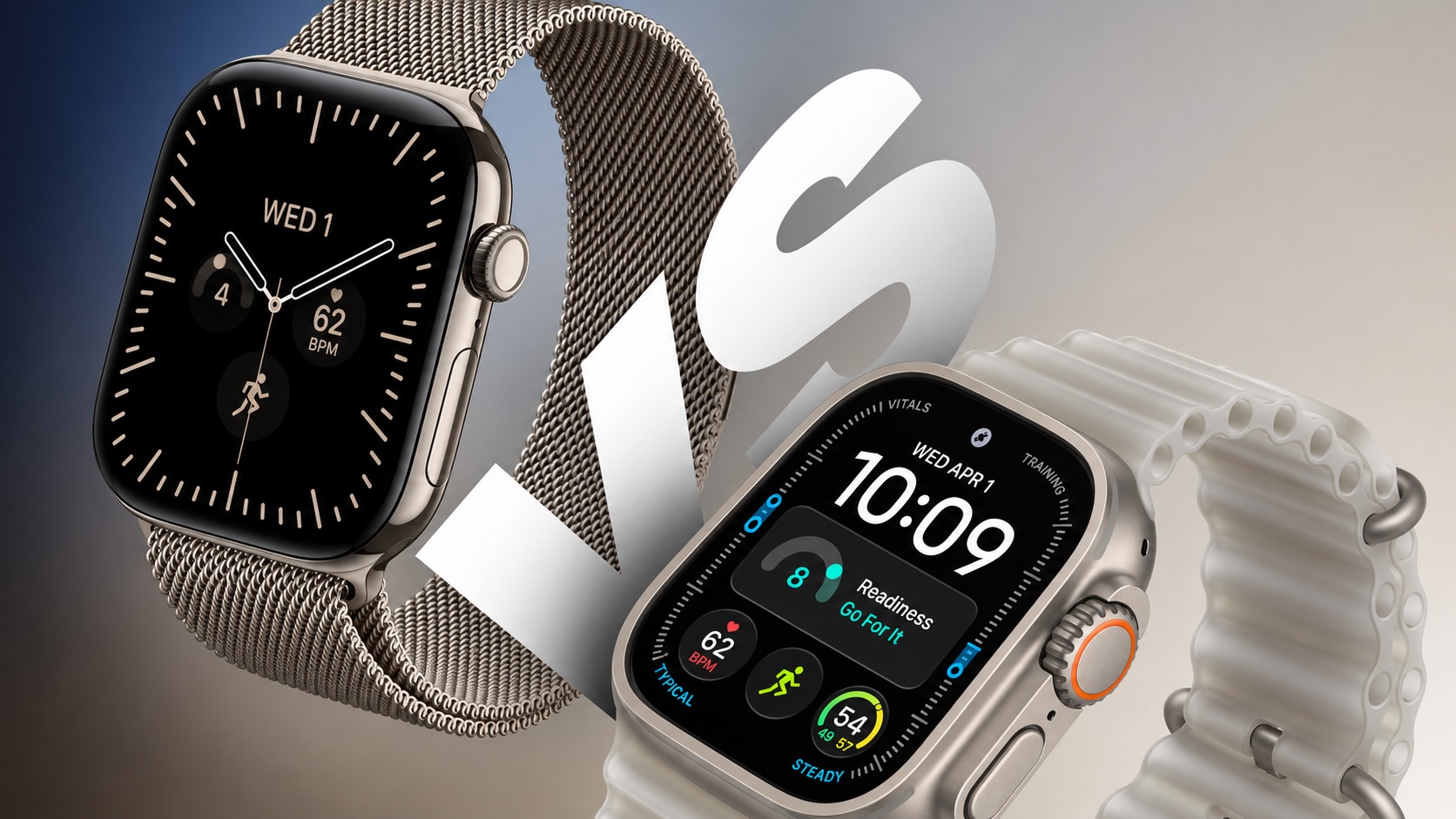
When comparing the Apple Watch Series 12 and Ultra 4, both models feature the S11 chip, 4GB of RAM, 64GB of storage, and the new Health Sensing System. They also share features such as Readiness, Recovery HRV, daytime vitals, improved step tracking, hypertension notifications, sleep apnea notifications, Sleep Score, and more. However, the Ultra 4's higher price does not offer more advanced everyday health tracking.
The Series 12 starts at $399, while the Ultra 4 begins at $799. If you prefer a premium case material, the titanium Series 12 starts at $699, which is more expensive than the Ultra 4 despite its smaller size and shorter battery life. The Ultra 4 continues to emphasize durability, extended battery life, and special features for activities like diving and exploration.
The main differences between the two models are their designs, materials, display size, brightness, and some specific features. The Series 12 has a rounded design with a thinner case and front glass that curves at the edges, while the Ultra 4 has a rugged design with a thicker case and slightly raised edges. The case materials for the Series 12 include aluminum, polished titanium, or polished ceramic, while the Ultra 4 offers a blasted titanium case.
Both models are available in aluminum and titanium with 42mm or 46mm case sizes, and the Ultra 4 has a ceramic option with 42mm or 46mm heights. The Ultra 4 has a larger case width of 49mm compared to the Series 12's 41mm. The Series 12 has a display size of up to 1,245 sq mm, while the Ultra 4 has a display size of up to 1,245 sq mm.
The Ultra 4 boasts up to 3,000 nits peak brightness, while the Series 12 offers up to 2,000 nits. The Ultra 4 provides exclusive features like the Wayfinder, Modular Ultra, and Orienteering faces, as well as the Night Mode on its faces. Customizable Action buttons, including Precision Start for workouts, are available on the Series 12.
The Ultra 4 includes a single speaker, while the Series 12 has dual speakers. The Ultra 4 features a single microphone with Voice Isolation, while the Series 12 has three microphones with beamforming and wind noise mitigation. Both models offer GPS and cellular connectivity options, with the Ultra 4 also providing satellite communications for Emergency SOS, Messages, and Find My.
In terms of battery life, the Ultra 4 excels with up to 50 hours of normal use, while the Series 12 offers up to 38 hours. In Low Power Mode, the Ultra 4 lasts up to 84 hours, compared to the Series 12's 10 hours. The Ultra 4 can handle up to 25 hours of extended workout tracking with full GPS and heart rate readings, whereas the Series 12 can track workouts for up to 18 hours.
Both devices support up to 24 hours of normal use, with the Ultra 4 lasting up to 45 hours in Max Extended Workout mode and retaining GPS readings every second.
The Apple Watch Series 12 is the recommended choice for most users due to its thinner, lighter design, lower price, and similar performance, health sensors, and features. The aluminum model offers these benefits at a $400 discount. However, the Ultra 4's longer battery life makes it more suitable for overnight wear and extended workouts, especially for those engaged in activities like hiking, scuba diving, or long events that may require extended battery life.
For users requiring satellite communications, dual-frequency GPS, greater water resistance, and extended workout modes, the Ultra 4 offers a clearer purpose.
Written by urgent.news from MacRumors's reporting — not their text. Machine-written — may contain errors; check the original before relying on it.