ANALYSIS: Can Africa turn Red Sea rivalries to its advantage?
Growing competition for African ports and security partnerships offers new leverage – if countries can avoid deeper geopolitical fragmentation. The post ANALYSIS: Can Africa turn Red Sea rivalries to its advantage? appeared first on Premium Times Nigeria .
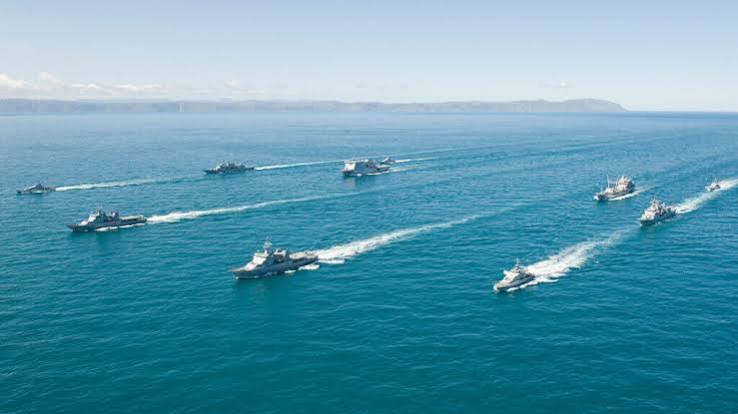
The rivalry over Africa's Red Sea ports and security partnerships could offer new leverage for African nations, but only if they avoid deeper geopolitical fragmentation. Conflicts in the Middle East are creating shifting regional fault lines that are drawing African states into an emerging macro-conflict system centered along the Red Sea.
This is driven by a combination of crises, including US and Israeli military offensives against Iran, renewed Houthi attacks on shipping lanes, Saudi-Emirati competition across the Horn of Africa, and disputes among African states over sovereignty and regional influence.
Recent US and Israeli actions against Iran have exacerbated these dynamics. Iran's retaliatory strikes against Gulf actors have cast doubt on the reliability of US security for its Gulf allies, prompting more regional powers to hedge their bets. The United Arab Emirates (UAE) and Saudi Arabia, in particular, have divergent security strategies.
Abu Dhabi is expanding its influence by investing in ports, infrastructure, and ties to non-state actors in Yemen, Sudan, Libya, and Somalia. It has also deepened its relationship with Israel since the 2020 Abraham Accords. In contrast, Riyadh is seeking to undercut Abu Dhabi's efforts by supporting recognized central authorities and building alliances with like-minded regional actors, including Egypt, Pakistan, and Turkey.
This volatile security environment presents African states along the Red Sea with opportunities to access ports, airfields, intelligence, and security partnerships. For instance, Ethiopia is seeking sea access to reduce its reliance on Djibouti, while Somaliland's Berbera port is attractive due to existing UAE-owned infrastructure.
However, Ethiopia and Somalia's 2024 cooperation agreement has led both nations to reaffirm territorial integrity through the Ankara Declaration, limiting Ethiopia's access to Somaliland's port. Ethiopia's 2026 partnership with Turkey and UAE-linked networks in Sudan further complicate regional tensions.
Egypt, controlling the Suez Canal and with significant military capabilities, is strategically positioned to benefit from Red Sea stability. Egypt's rivalry with Ethiopia, intensified by disputes over the Grand Ethiopian Renaissance Dam, has led Cairo to align more closely with Saudi Arabia. Meanwhile, Sudan's strategic value to Gulf actors is tied to its role in sustaining the conflict, with the UAE accused of backing the Rapid Support Forces (RSF) in Sudan.
Somalia's federal government severed ties with the UAE in January 2026, a move rejected by Somaliland and autonomous Puntland, which maintain close ties with the UAE.
Europe plays a crucial role in this complex security landscape through its maritime presence in the Red Sea and Gulf of Aden. The European Union's Operation ASPIDES and Operation ATALANTA provide protection for commercial shipping and support African partners, relying on African cooperation for logistics and onshore assistance. As African states along the Red Sea become entangled in the rivalries of Gulf powers, the sustainability of these partnerships remains uncertain.
These nations may continue to receive Gulf investment in infrastructure, leading to deeper defense and security coordination. However, commercial deals may increasingly be bundled with defense, security, and intelligence commitments, potentially altering the dynamics of these relationships.
Written by urgent.news from AllAfrica's reporting — not their text. Machine-written — may contain errors; check the original before relying on it.
This story
This is one outlet's version. Read the fullest account.