Almost every day of monsoon: How human activity altered Mumbai climate
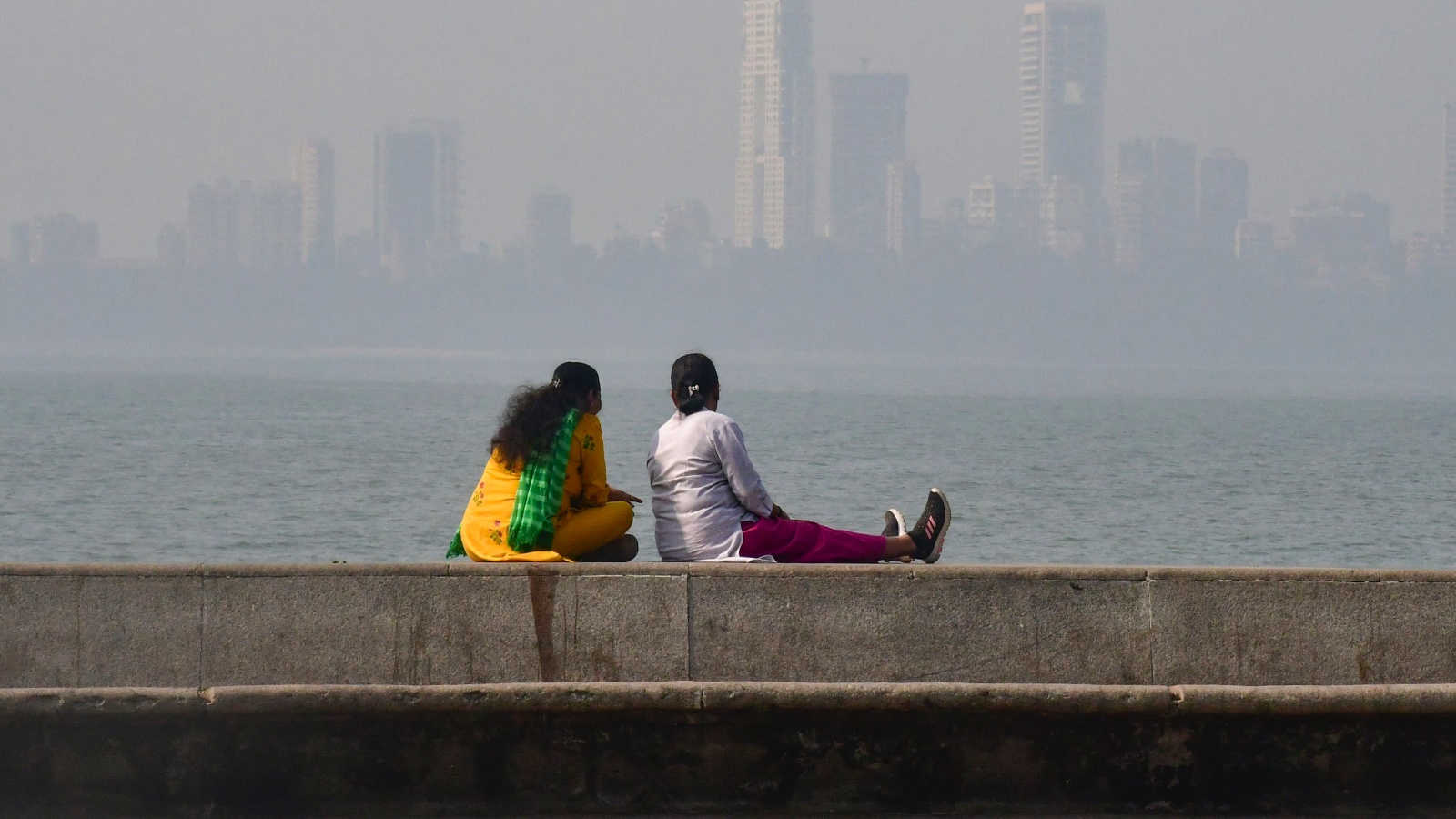
A study discovered that nearly every day of the monsoon between June and August saw human activity impacting weather patterns in Mumbai and Navi Mumbai, contributing to climate change. The cities experienced extreme heat and rainfall that was directly influenced by man-made factors. Districts in the Mumbai Metropolitan Region, such as Dombivali, Thane, Kalyan, Pimpri, Pune, and Shivaji Nagar, also faced significant weather pattern alterations.
During the studied period, 28 days in Mumbai and Navi Mumbai recorded extreme heat, while a total of 86 days across 59 analyzed cities saw significant weather patterns driven by human activity. The top nine cities on the list were all from Maharashtra, with MMR recording the most days with human-influenced weather patterns. Mumbai recorded a deficit rainfall in June and August, but surpassed its average quota in July.
Researchers utilized a climate shift index (CSI) to determine the climate change impact on daily temperatures. Cities in India showed an average increase of 0.7 degrees in day temperatures during the period. El Niño, a climate pattern that warms the central and eastern Pacific Ocean surface waters, played a major role in altering local rainfall patterns, causing uneven distribution across the country and increased temperatures between June and August.
Another concern for the Indian subcontinent is the absence of Alto Stratus clouds, which usually create consistent drizzle and uniform rainfall. Factors like industrial emissions and vehicular pollution have heated the lower atmosphere, hindering the formation of these clouds in tropical regions. This phenomenon affects 2.8 billion people, or 58 percent of Asia's population, with India alone accounting for 117 million people exposed to at least 30 risky heat days due to climate change.
Written by urgent.news from The Indian Express's reporting — not their text. Machine-written — may contain errors; check the original before relying on it.