Almost 86% of Japanese game developers are using AI in their workflows, up from 51% in 2025
According to a survey conducted by the Computer Entertainment Suppliers Association (CESA), there has been a massive surge in AI adoption among video game developers in Japan, with 85.8% of respondents reporting that they use generative AI as part of their game development process. While 63% of surveyed developers said... Read Entire Article
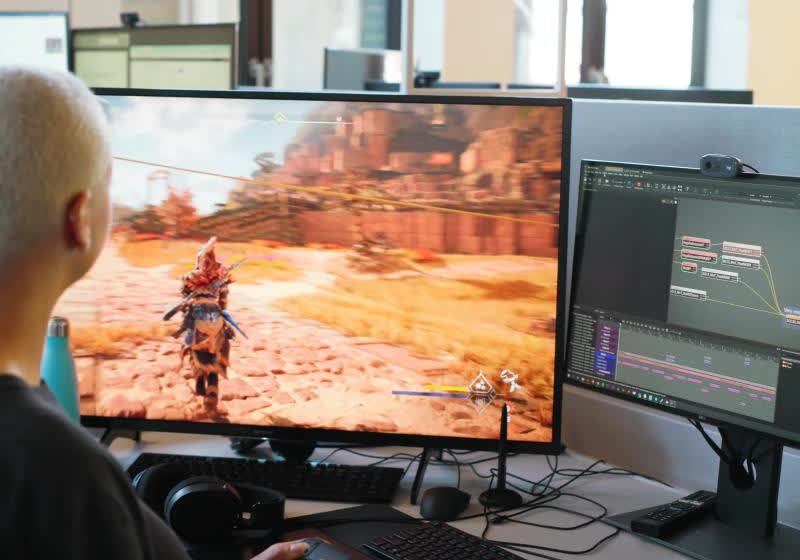
A recent report from the Computer Entertainment Suppliers Association (CESA) reveals that nearly 86% of Japanese game developers are utilizing AI in their workflows, marking a significant increase from 51% in the previous year. Conducted at the 2026 Tokyo Game Show, the survey highlights the rapid adoption of generative AI among video game developers in Japan, with 85.8% of respondents reporting its use in the development process.
Daily usage is reported by 63% of the surveyed developers, while 22.8% utilize AI tools only occasionally. This surge in AI adoption represents a more than 70% increase since last year's survey.
The growing integration of AI in game development is part of a broader trend observed across industries, emphasizing the increasing importance of AI tools in enhancing efficiency and productivity in software development. The most frequently cited benefits of AI adoption include improved operational efficiency, shorter development cycles, and reduced development and operational costs.
Despite these advantages, developers assert that AI-generated outputs are primarily used for debugging, error correction, and automated testing, with final quality assessments and creative decisions remaining under human supervision.
CESA Executive Director Tsutomu Masuda acknowledged the survey's findings, emphasizing that the increasing use of generative AI in development environments must be carefully managed to ensure compliance with intellectual property rights. The survey included developers from major Japanese game companies such as Capcom, Sega, Level-5, Konami, Square Enix, Koei Tecmo, Sony, and other CESA member firms.
Written by urgent.news from TechSpot's reporting — not their text. Machine-written — may contain errors; check the original before relying on it.