Alibaba open-sources medical AI model that can detect cancer and nearly 150 conditions
Alibaba Group Holding’s research arm, Damo Academy, has open-sourced an artificial intelligence model capable of identifying nearly 150 abdominal conditions – including cancers – by reading computed tomography (CT) scans, marking the latest step in the firm’s growing medical AI efforts. The vision-language model, called Damo Radar, was designed to analyse contrast-enhanced CT scans covering 18…
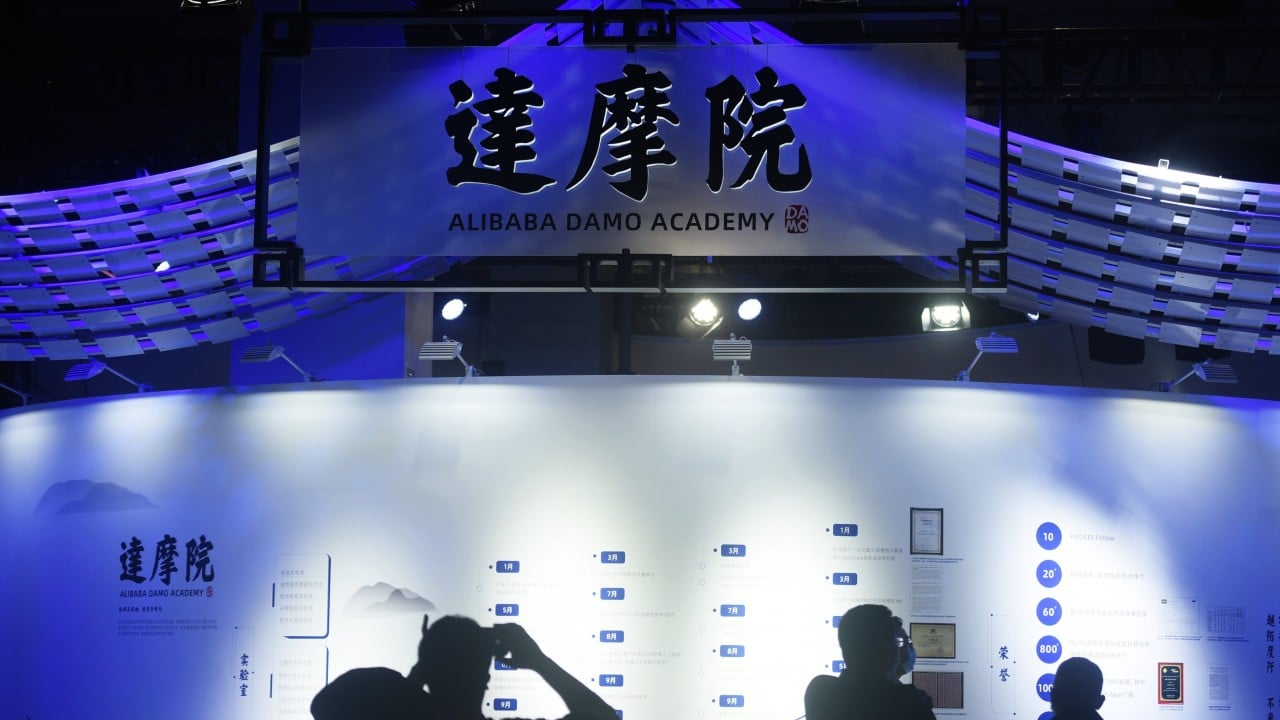
Alibaba Group Holding's research wing, Damo Academy, has made an open-source artificial intelligence model named Damo Radar available to the public. This model is capable of identifying nearly 150 different abdominal conditions, including various types of cancers, through the analysis of computed tomography (CT) scans. Damo Radar was designed to examine 18 different abdominal organs and detect a wide range of diseases and abnormalities, such as malignant tumors.
The model was trained using CT scans and their corresponding clinical reports. In over 40,000 real-world examinations, Damo Radar achieved an average area under the curve (AUC) of 0.913 across 146 clinical findings. The AUC score, ranging from 0 to 1, represents the model's diagnostic accuracy, with 1.0 indicating perfect accuracy.
In a study involving 26 human radiologists from multiple hospitals, the model outperformed 23 of them in terms of accuracy. Additionally, the model helped radiologists improve their ability to prevent missed diagnoses by 10% while reducing the time required by more than 30%. The research was published in the journal Science, with several institutions, including a hospital affiliated with Zhejiang University, participating in the study.
This release of Damo Radar is part of Alibaba's growing efforts in developing medical AI solutions, following other recent advances in the field. In April, Damo Academy released the Coca AI model, which it claims is more sensitive than radiologists in detecting early-stage colorectal cancer from CT scans. The model was developed in collaboration with Chinese institutions, including Guangdong General Hospital.
Written by urgent.news from SCMP Tech's reporting — not their text. Machine-written — may contain errors; check the original before relying on it.