Airline oil exposure: winners and losers as jet fuel costs surge
WTI crude oil prices reached an all-time high of $101.01 per barrel by September 18, 2023, marking a staggering 75.81% year-to-date increase. However, the economic impact of this surge extends far beyond crude oil. Deutsche Bank revealed that jet fuel costs have skyrocketed by an astonishing 100-125%, nearly double the rate of crude oil. This disparity, known as the "crack spread," is driven by refinery capacity constraints.
The cost of jet fuel has surged to approximately $4.80 per gallon, up from around $2.50 early in the year. This price increase has translated into a substantial annual cost shock for the airline industry, estimated at over $46 billion. Airlines have largely abandoned traditional hedging programs, making them highly vulnerable to these rising fuel costs.
Delta Air Lines (DAL) stands out as the only major carrier benefiting from the widening crack spread. The company's Monroe Energy Trainer refinery inverts the spread logic, allowing Delta to profit when the gap between crude oil and jet fuel prices widens. In 2022, Delta saved approximately $785 million on fuel costs while generating $777 million in operating income.
CEO Ed Bastian has projected that Delta's refinery will yield around $300 million in Q2 2026 alone, highlighting the refinery's role as a revenue driver amidst escalating fuel expenses.
Even with anticipated fuel cost increases of around $4 billion for 2026, Delta remains the only carrier capturing a portion of this pain through its refining operations. The company boasts a strong 7.9% net margin, $3.41 billion in positive long-term free cash flow (as of June 30, 2026), and a 10.7% upside potential, positioning DAL as an attractive investment option.
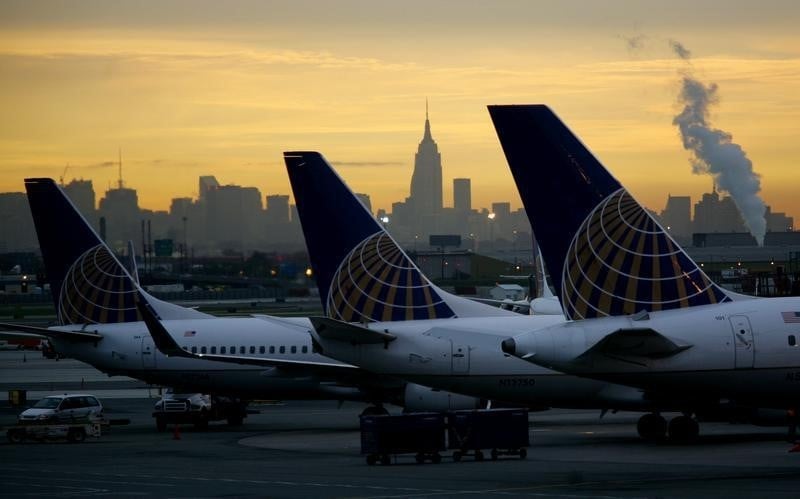
United Airlines (UAL) also shows resilience, primarily due to its pricing power. CEO Scott Kirby expects United Airlines to recover all higher fuel costs through fare increases in Q4 2026, capitalizing on the strong demand across the industry. With a robust 34.0% gross margin (FY2025) and $2.54 billion in positive free cash flow, UAL demonstrates a solid financial foundation. However, UAL carries a heavy debt burden of $33.67 billion, which could become problematic if pricing power diminishes.
Written by urgent.news from Investing.com's reporting — not their text. Machine-written — may contain errors; check the original before relying on it.