Air traffic control assisted by AI could arrive as soon as next week
Federal aviation officials aim to launch a new AI-based air traffic control tool next week in Washington, DC, one of the US's busiest air travel corridors. The debut marks the beginning of a gradual nationwide rollout. Read Entire Article
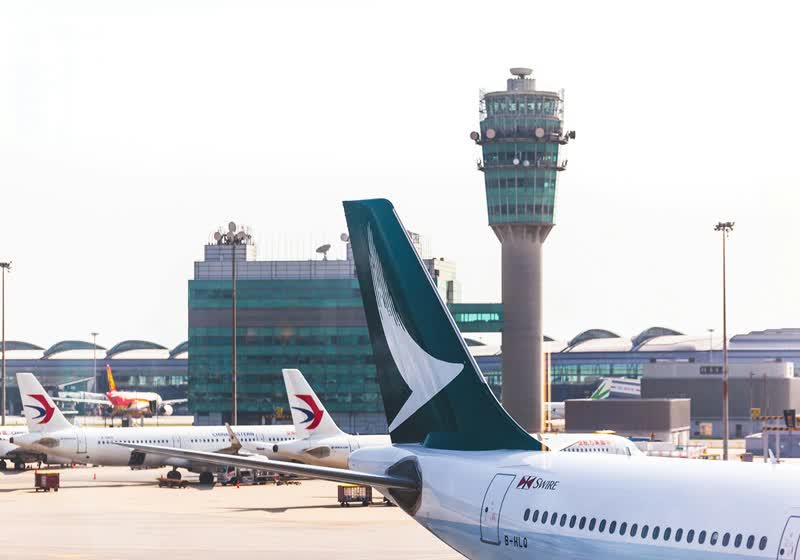
The Federal Aviation Administration (FAA) is set to introduce an AI-powered air traffic control system as early as next week, according to officials. This move aims to tackle the ongoing shortage of controllers and outdated technology that has plagued the sector for years. The system, named Strategic Management of Airspace, Routes and Trajectories (SMART), is a cloud-based solution that leverages data on schedules, weather patterns, airport capacity, and other operational factors to predict traffic flow and potential conflicts.
Developed by the AI firm Air Space Intelligence (ASI), which received a $875 million grant from the FAA, SMART is designed to provide a unified data stream for airlines, controllers, and the FAA. This shared intelligence could lead to decreased fuel consumption, expedited recovery post-weather disruptions and congestion, enhanced situational awareness, and additional airspace capacity. The AI firm is planning a gradual nationwide rollout of SMART over the next one to two years.
The initiative is part of a broader effort by the Trump administration to modernize US air traffic control, which has long struggled with staffing shortages and obsolete technology. A 2023 FAA risk assessment revealed that 37% of systems were unsustainable, and 39% were at risk of becoming so. While some updates may take a decade or more, others – some dating back over three decades – are not scheduled for modernization.
ASI is positioning SMART as a more efficient way to upgrade certain FAA tools. AI enthusiasts frequently tout the technology as a means to alleviate the burdens of overworked employees, although some argue it can actually exacerbate the issue. With the FAA aiming to maintain a workforce of 12,563 controllers (down from a prior target of 14,633), the shortage has led to flight delays and heightened the stress levels associated with one of the world's most challenging jobs.
The FAA has even resorted to using video games to attract new talent, but the job's mental demands remain significant.
Written by urgent.news from TechSpot's reporting — not their text. Machine-written — may contain errors; check the original before relying on it.