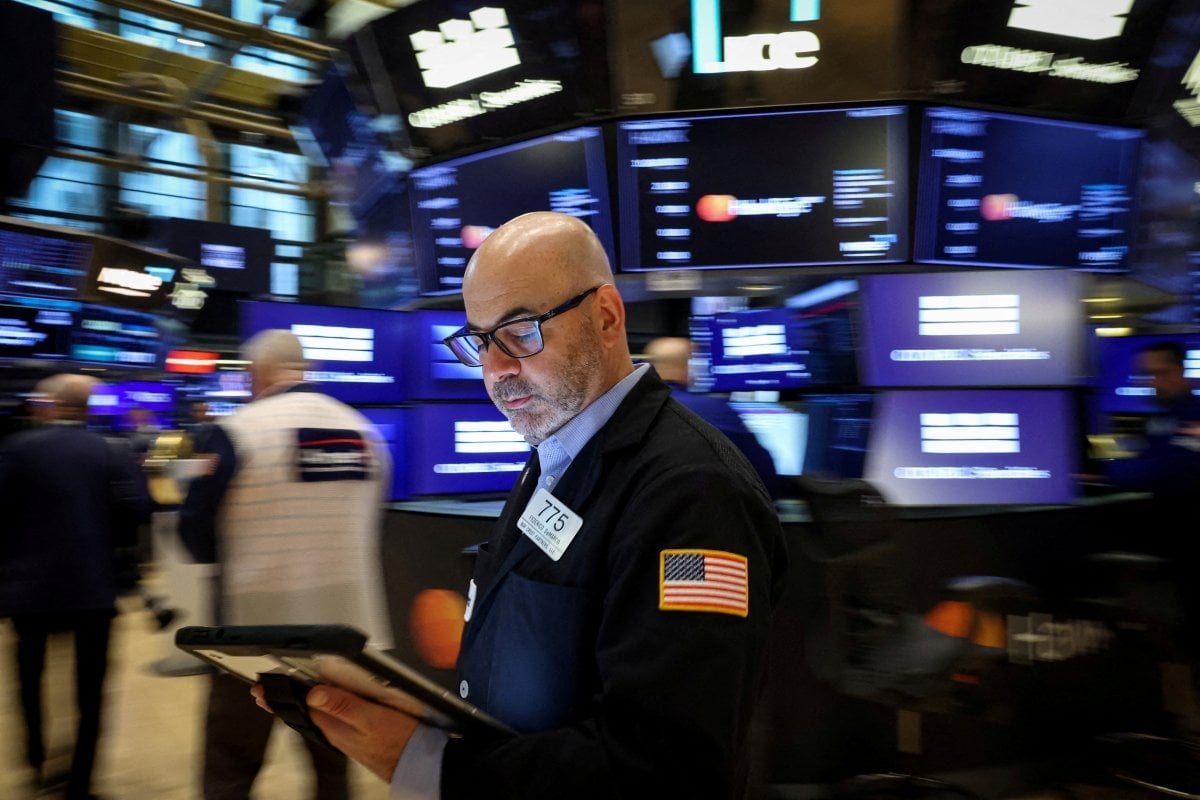
World stocks rebound, Treasury yields retreat after Fed, BoE decisions

Global stocks experienced a rebound and Treasury yields retreated on Thursday after the US Federal Reserve raised interest rates and the Bank of Japan was expected to follow suit on Friday, in the face of rising inflation concerns. The previous day's stock decline was largely reversed, with equities rebounding, according to James St. Aubin, chief investment officer at Ocean Park Asset Management.
The hawkish tone from the Fed was deemed to be more than expected, but investors are now beginning to accept it as rhetoric rather than a policy shift. St. Aubin highlighted that the fundamental outlook remains robust, contributing to the prevailing sense of optimism. The Bank of England decided to keep interest rates steady but hinted at potential future tightening, given the impact of higher oil prices on inflation.
On the other hand, the Bank of Japan is expected to raise interest rates at its upcoming meeting on Friday. Wall Street's major indexes all closed higher, breaking a three-day losing streak. Technology, consumer discretionary, and materials stocks led the gains, while consumer staples, financials, and energy sectors lagged behind.
The Dow Jones Industrial Average added 0.64%, the S&P 500 increased by 1.1%, and the Nasdaq Composite rose by 1.6%. European shares also gained nearly 1%, with MSCI's global stock index surging 0.79%, poised to end a three-day losing streak. Bond yields softened from their recent peaks, with the yield on the benchmark US 10-year notes dropping 5.53 basis points to 4.949%, while the yield on the benchmark German 10-year Bunds declined by 0.26 basis points to 3.491%.
The British 10-year gilt yield fell 7.65 basis points to 5.243%. The Fed's unanimous half-point rate hike on Wednesday, coupled with its dot plot that hinted at an additional rate increase in the year, led to a brief breather for the dollar after it touched a seven-week high. The euro gained 0.09% against the dollar at $1.1474, while the Japanese yen strengthened by 0.16% to 156.04 per dollar.
The British pound slipped 0.22% to $1.3351 following the Bank of England's decision, marking its lowest level in seven weeks against the greenback. The dollar index, which gauges the dollar's strength against a basket of currencies including the yen and the euro, slipped 0.02%. Brent crude futures tumbled nearly 1% to settle at $104.82 a barrel, following reports that Saudi Arabia was offering crude cargoes via Oman.
This development eased some supply concerns, following a recent escalation in the seven-month war in the Middle East, following attacks by Iran-backed Houthi fighters on Saudi cities.
Written by urgent.news from Investing.com's reporting — not their text. Machine-written — may contain errors; check the original before relying on it.