Will Samsung and Qualcomm’s organic bridge technology make AI processors more powerful and cheaper to produce?
A new “organic bridge” under development by Samsung and Qualcomm could make AI processors more powerful.
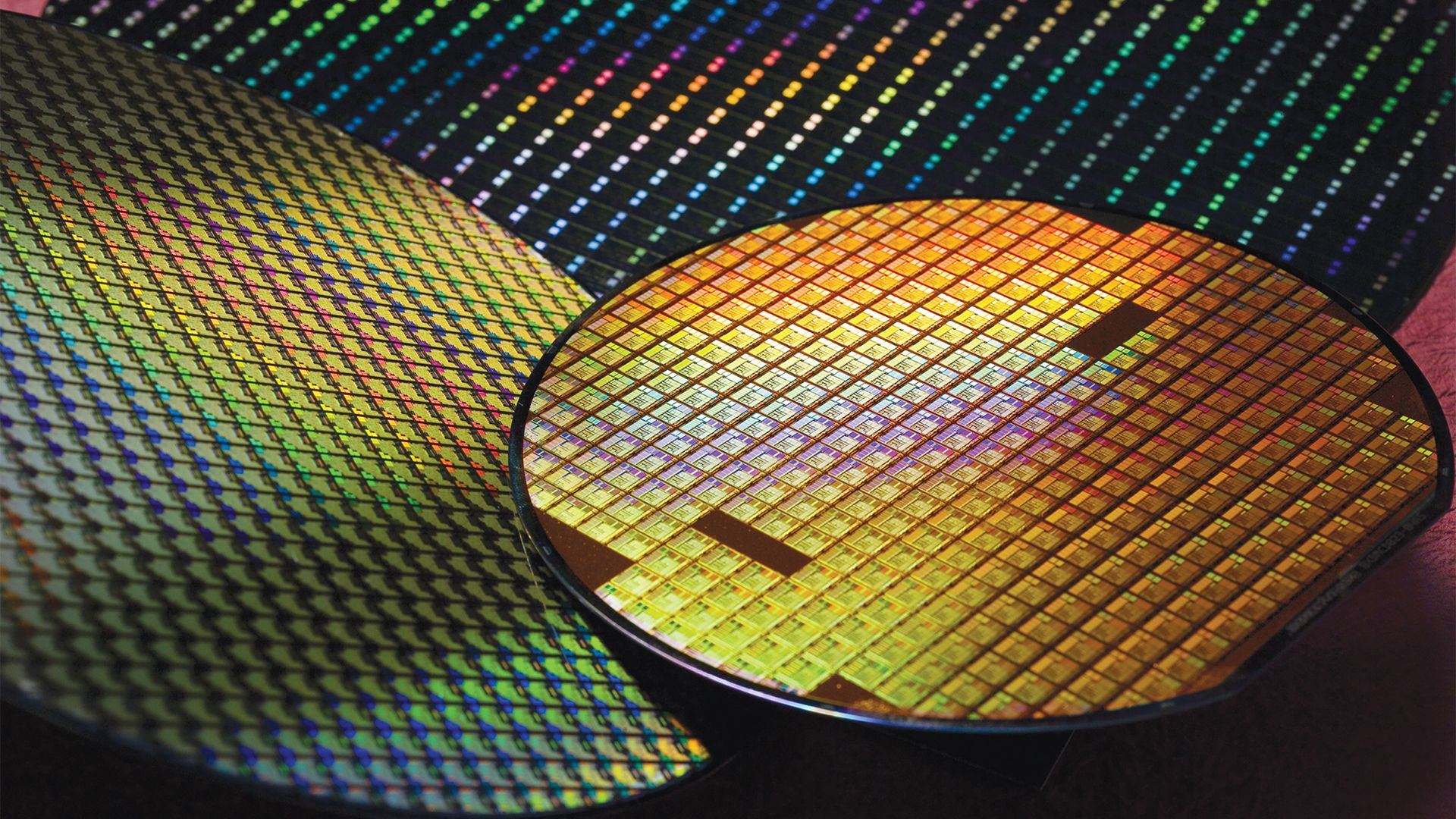
A partnership between Samsung and Qualcomm is focused on leveraging organic bridge technology to create more affordable and powerful AI processors. This new form of packaging, known as 2.1D, differs from the typical 2.5D integration, which relies on traditional materials such as silicon, glass, and ceramic for layer connectivity.
The organic bridge, a key component of 2.1D, is a resin or polymer-based layer taken from printed circuit board (PCB) manufacturing. This material is designed to connect multiple microcircuit dies, offer insulation, and improve bandwidth, all while reducing production costs. The organic bridge addresses supply chain issues related to silicon and can be produced more efficiently at scale.
Development of this technology began around October 2024, as evidenced by a patent filing for "interconnected bridge" technology. As the demand for AI data centers continues to rise, the 2.1D processor packaging could play a critical role in meeting the predicted benefits of artificial intelligence. Samsung is not the only partner in this endeavor, as other companies like Intel Foundry Services and TSMC are also working on similar 2.1D packaging processes.
With ongoing collaboration between Samsung and Qualcomm for the past year, it appears that the development of production-ready AI chips utilizing 2.1D packaging may take some time.
Written by urgent.news from TechRadar's reporting — not their text. Machine-written — may contain errors; check the original before relying on it.