Why the U.S. Urgently Needs More Platelet Donors
The Red Cross’s fall appeal highlights a fragile part of American health care: a lifesaving blood component that must be replenished every five to seven days, write Robert Glatter and Peter Papadakos.
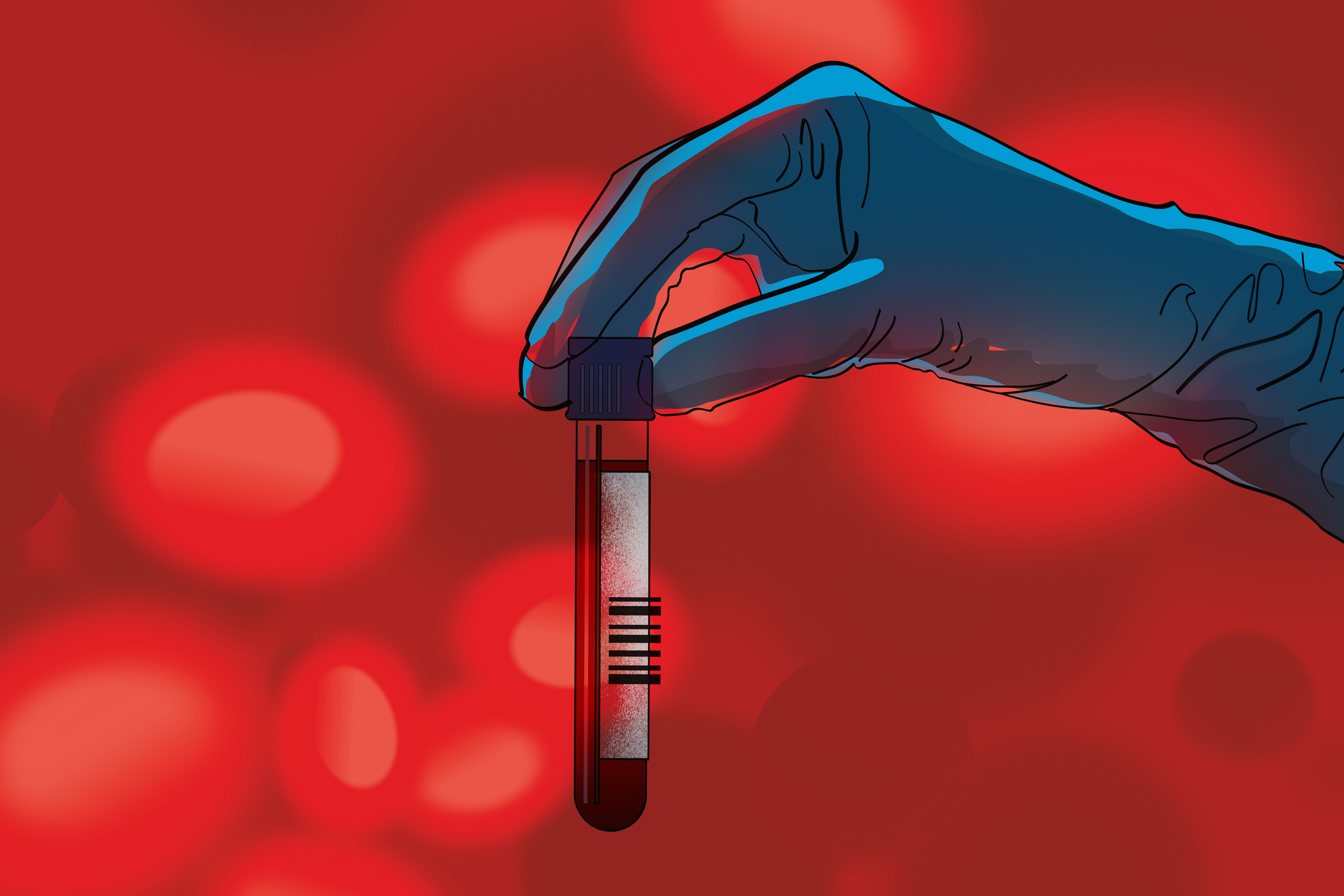
The American Red Cross has recently urged Americans to schedule blood and platelet donations due to a nationwide shortage, which could leave patients in need of lifesaving platelets unable to receive treatment. Platelets, tiny fragments produced in bone marrow, play a crucial role in forming clots and stopping bleeding, making them essential for various medical conditions, including cancer treatments and surgeries.
Unlike red blood cells and plasma, platelets have a shorter shelf life of just five to seven days, making a steady flow of donations crucial. The Red Cross estimates that nearly half of the donated platelets go to patients undergoing cancer treatment, where they help maintain normal blood-cell production and protect patients during vulnerable periods.
Hospitals face challenges in maintaining platelet inventories due to expiration dates and the unpredictability of emergencies. To improve the supply, the Red Cross encourages people to make regular appointments for platelet donations, which take about three hours including screening and collection. While research is underway to improve platelet storage and production, current methods rely on donated platelets, making regular donations essential to ensure a dependable supply.
Written by urgent.news from Time's reporting — not their text. Machine-written — may contain errors; check the original before relying on it.