Why Southeast Asia Is Facing a Haze Crisis
Smoke from intense wildfires in Indonesia is worsening air quality across the region.
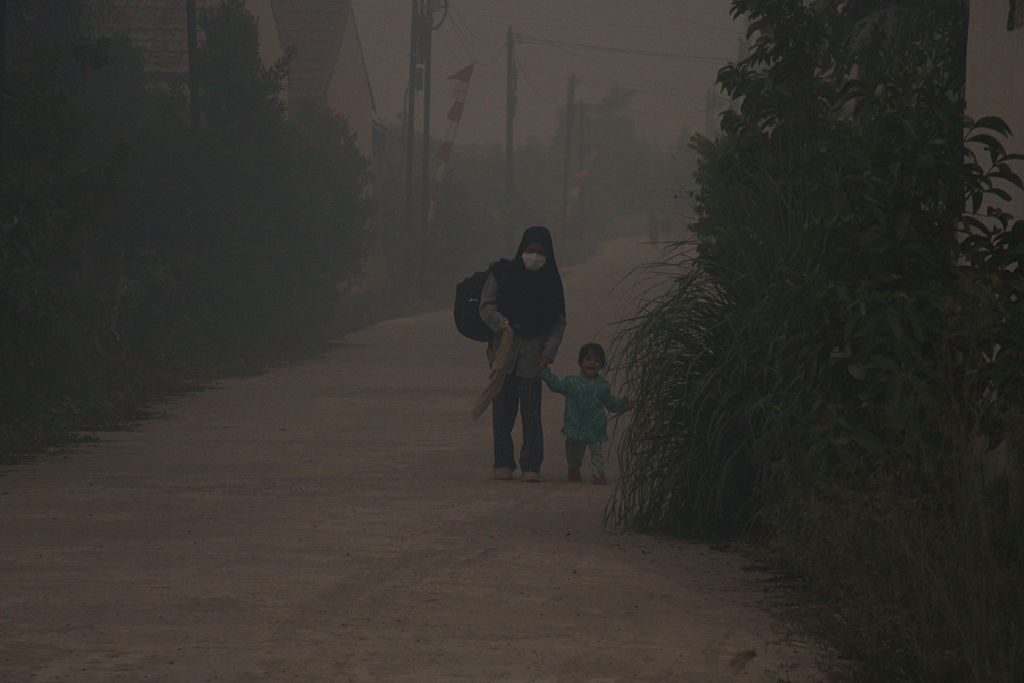
Southeast Asia is currently grappling with its worst wildfire crisis in 11 years, affecting over 12 million people with thick smog and transboundary haze. Fires across seven provinces on Borneo and Sumatra islands, fueled by a "Super El Niño" drought and seasonal burning by farmers and corporations, have ravaged 202,000 hectares of land as of July.
In August alone, 600,000 hectares were scorched. Smoke from the fires contains tiny suspended particles, causing severe health impacts like burning eyes, throat irritation, headaches, and exacerbating asthma. Long-term exposure is linked to cardiovascular, respiratory diseases, lung cancer, and premature death. Health authorities warn that the health crisis, particularly for vulnerable groups like children and those with pre-existing conditions, could continue through October or November.
Indonesian authorities have suspended licenses and investigated 112 people, while Japan deployed aircraft to aid firefighting efforts. The transboundary haze issue has plagued the region for decades, exacerbated by El Niño conditions, intensified agricultural practices, and peatland drainage. While recent efforts have improved monitoring, enforcement remains uneven, and climate patterns heavily influence the severity of fires and haze.
Written by urgent.news from Time's reporting — not their text. Machine-written — may contain errors; check the original before relying on it.