Why AI boom matters to real estate: Inside the $3 trillion data centre opportunity
Calls to slow AI development are impacting data centre stocks. AI could drive seventy percent of global data centre demand by 2030. However, broader digital transformation continues to fuel infrastructure needs. Data centre companies are adapting funding models to meet this ongoing demand. Institutional investors maintain strong conviction in the data centre real estate sector.
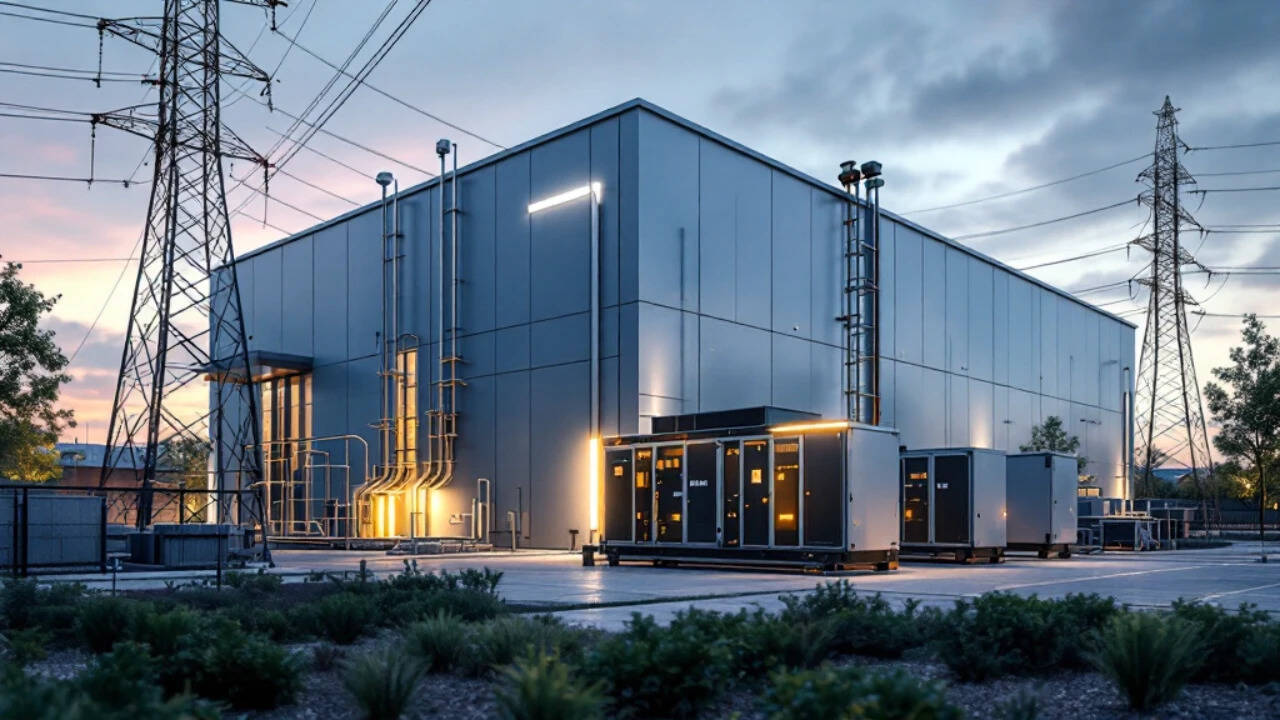
Recent warnings from top AI leaders about the pace of development have caused stock market fluctuations for firms linked to artificial intelligence. However, the impact extends beyond the realm of chipmakers and tech companies, touching a major physical infrastructure investment opportunity tied to the AI surge: data centres. The real estate industry has significant exposure to this expansion.
While applications in cloud computing, storage, enterprise IT and internet services require data centre capacity, AI has rapidly become the primary driver of demand. McKinsey projects AI could account for approximately 70% of global data centre capacity demand by 2030, necessitating nearly $7 trillion in capital spending to meet total global demand.
JLL estimates that the real estate component alone could require about $3 trillion in investment over the next five years.
Despite concerns voiced by AI leaders concerning the pace of development, Digital Realty CEO Andrew Power stated that these warnings do not imply a halt in building infrastructure supporting the broader digital economy. He highlighted that massive cloud computing growth, separate from AI, is a substantial driver of Digital Realty's business. Power revealed that hyperscalers have been forced to decide between expanding their commercial cloud services and dedicating capacity to AI laboratories.
Digital Realty operates in various markets, including Northern Virginia, Dallas, Chicago, Singapore, Tokyo, Frankfurt, and Amsterdam. Power noted that competitors in these locations are vying for the same data centre space, with outpaced demand outstripping supply for several years. The company's global portfolio aids in meeting data sovereignty and customer support requirements across different countries.
Andrew Batson, JLL's global head of data centre research and strategy, pointed out that a slowdown in AI model development would not necessarily lead to a corresponding drop in physical data centre requirements. He emphasized that the real data centre growth in the coming years would be in inference, i.e., businesses and individuals adopting AI tools into their daily routines.
Only one in four Americans currently uses AI daily, leaving ample room for adoption to rise. Batson also highlighted that institutional investors like Blackstone, BlackRock, and KKR have high confidence in this space, suggesting a strong outlook despite recent headlines. Meanwhile, Digital Realty's $20 billion development pipeline, up from $10 billion at the end of 2023, signals the company's continued confidence in the space, even amidst market fluctuations.
Written by urgent.news from Times of India's reporting — not their text. Machine-written — may contain errors; check the original before relying on it.