Who was Periyar? Remembering the ‘atheist who profaned the gods’
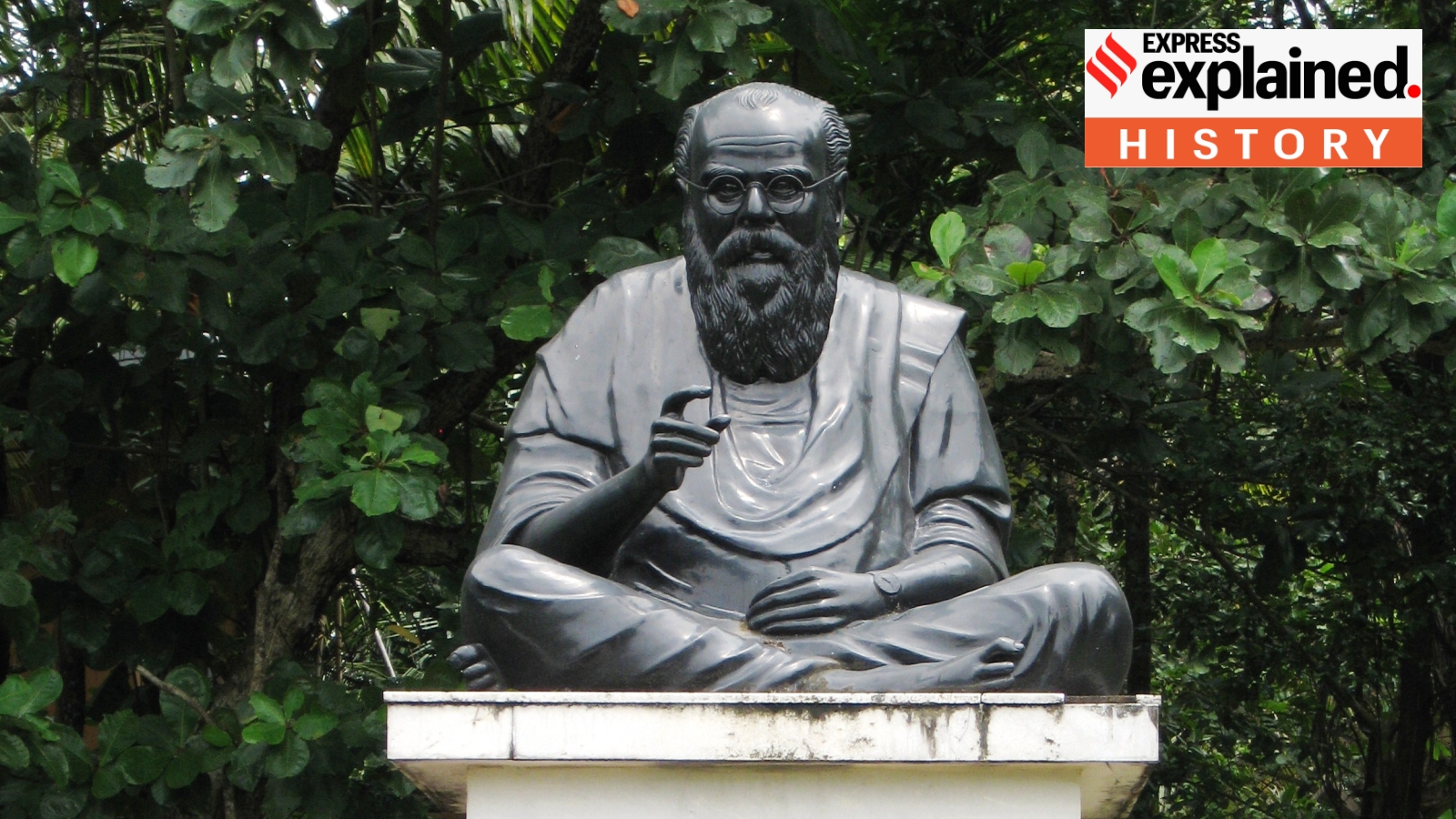
E V Ramasamy, commonly known as Periyar (1879-1973), was a rationalist, social reformer and a key figure in the Dravidian movement. Renowned as an atheist who challenged caste, religious norms and women's subordination, he remains a prominent figure in Tamil Nadu, a state with the highest concentration of temples in India. In 2021, Tamil Nadu Chief Minister M K Stalin declared Periyar's birthday to be observed annually as "Social Justice Day."
Born in Erode, Tamil Nadu, to a Balija Naidu family engaged in trade, Periyar married at 19 and was particularly critical of caste, religion and marriage as institutions that enslaved women and diverted individuals from the common good. He first entered municipal politics and later joined the Indian National Congress in 1907. During this time, Periyar advocated for proportional representation for various communities in political offices and a stronger stance against caste.
As a Congress activist, Periyar took a leadership role in the Vaikom Satyagraha, a major protest demanding the rights of lower castes to use public roads surrounding the Sri Mahadeva Temple in Travancore. He also clashed with Congressmen over the Cheranmadevi Gurukulam controversy, where Brahmin students received preferential treatment at a traditional school founded by a Congress leader.
In 1925, Periyar left the Congress and founded the Self-Respect Movement (SRM) with S Ramanathan. The movement, rooted in self-respect, socialism and rationalism, aimed to achieve equality, eradicate caste and liberate women. Periyar delivered his speeches and writings in colloquial Tamil, using humor, satire and profanity to engage his audience.
Periyar's views on caste and religion set him apart from Mahatma Gandhi. While Gandhi saw potential in reforming Hinduism, Periyar believed it had to be destroyed for social progress. He supported B R Ambedkar's demand for separate electorates for the Depressed Classes in the 1930s, but strongly criticized Gandhi's opposition to this idea. Periyar also viewed women as the first oppressed caste and advocated for their liberation, viewing them as the first oppressed caste in history.
Written by urgent.news from The Indian Express's reporting — not their text. Machine-written — may contain errors; check the original before relying on it.