When it comes to rate hikes, CFOs aren’t counting on a ‘one-and-done’
Columbia economist Yiming Ma says the real risk isn't the hike itself, but treating it as an isolated event.
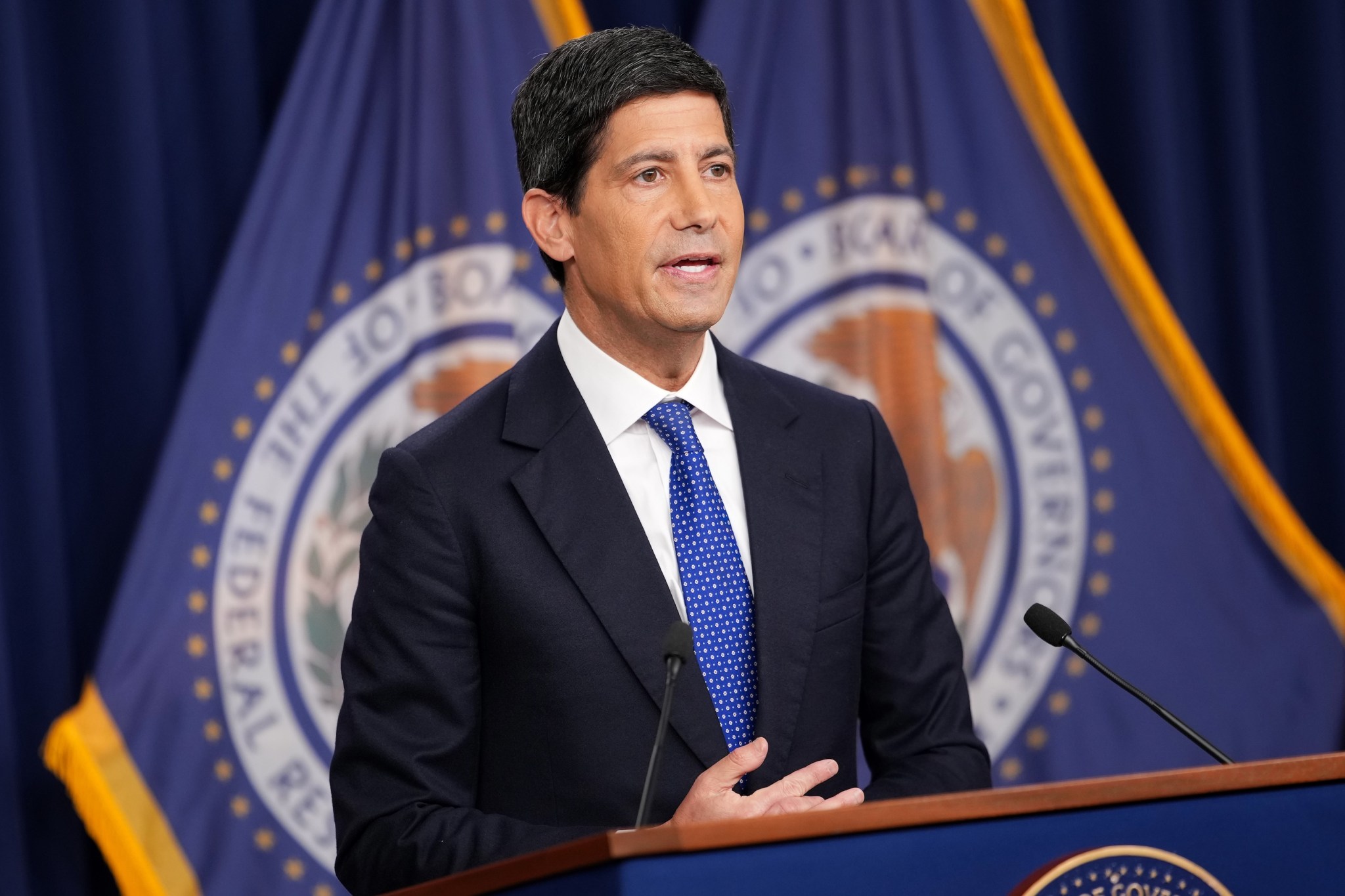
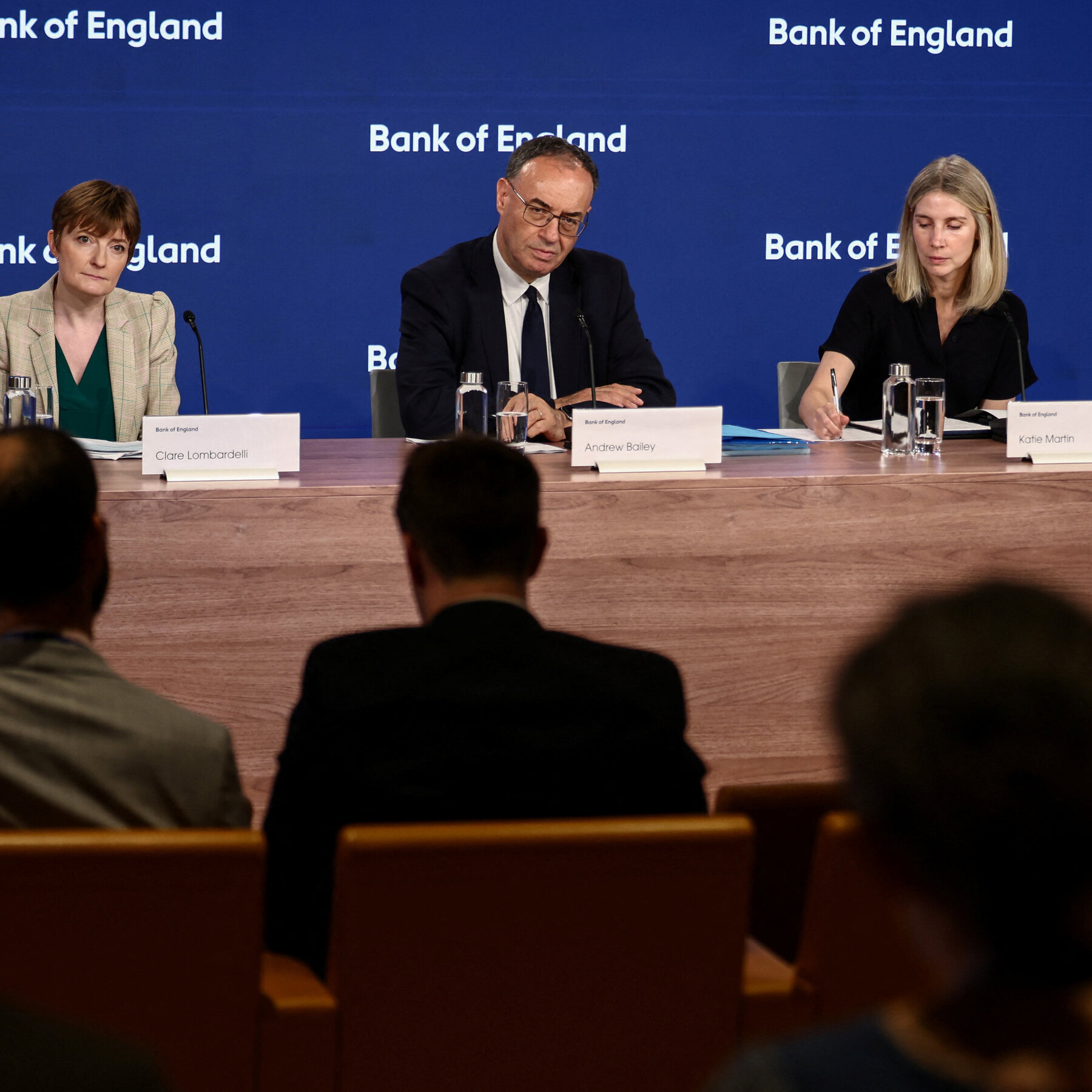
On Wednesday, the Federal Open Market Committee unanimously raised its benchmark interest rate by a quarter point to 3.75%-4%, the first increase since July 2023 and the initial step taken by new Chair Kevin Warsh. This decision put Warsh in conflict with President Trump, who advocated for a rate cut. The committee's updated projections indicate that the median federal funds rate is now expected to reach 4.1% by the end of 2026, up from 3.8% in June, suggesting another rate hike before the year concludes.
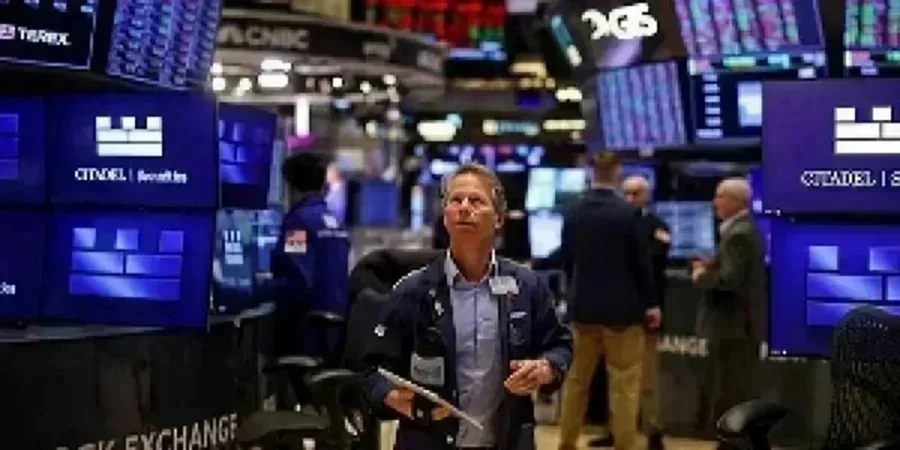
Inflation drivers cited by officials include tariffs, an energy shock, and a surge in AI-related capital spending. While markets had largely anticipated this rate hike, stocks reacted modestly to the news before ending lower. Treasury yields, already near multi-year peaks, continued to climb following the decision.
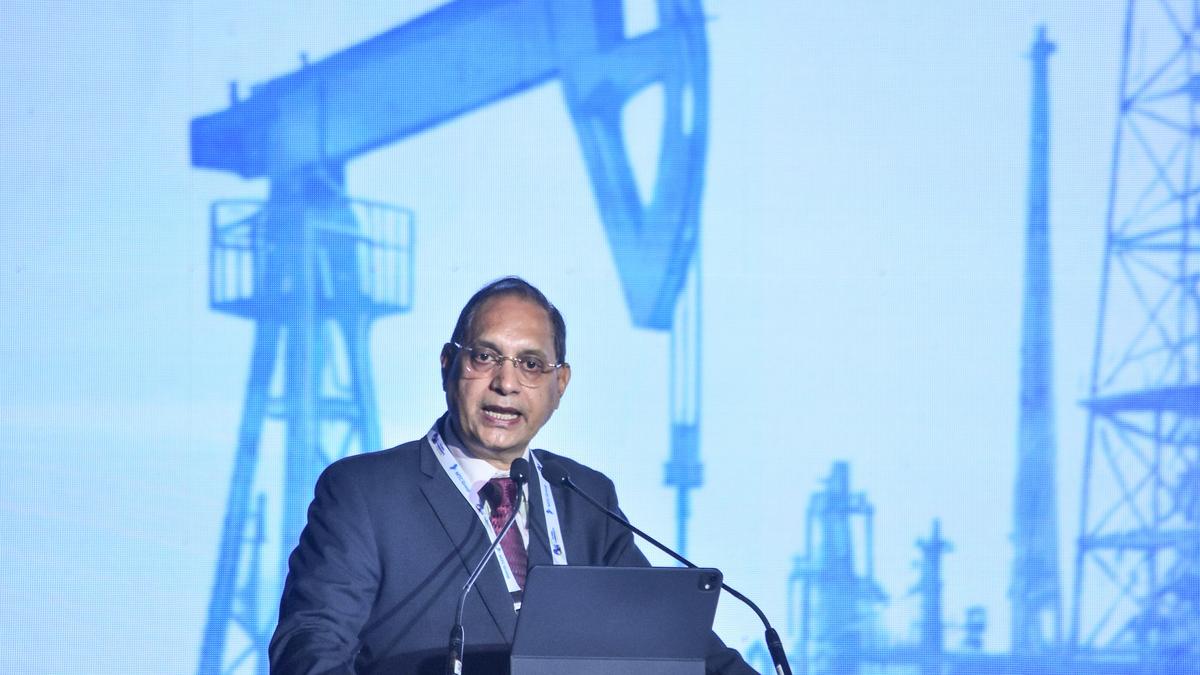
Yiming Ma, an associate professor of finance at Columbia Business School, shared her insights on how this rate hike affects corporate finance chiefs. She emphasized that any floating-rate credit lines or term loans have become more expensive immediately. However, Ma stressed that CFOs should not view Wednesday as an isolated event.
Instead, she explained that the Fed's decision marks the beginning of an entire cycle, and markets have already priced in at least one more rate increase. To better prepare for this scenario, Ma advised CFOs to stress test funding costs and production costs together, as they share a common root cause. She also highlighted the importance of considering the long end of the yield curve, as both corporate bonds and long-term Treasury yields have risen sharply.
This rise in yields could lead to higher costs for new issuance or refinancing across various maturities for companies. Meanwhile, concerns about U.S. debt sustainability have been pushing Treasury yields to multi-year highs even before this week's meeting, creating a two-sided risk for market participants. On one hand, the rate hike may reassure markets that the Fed will take aggressive action against inflation.
On the other hand, it could confirm that inflation is indeed entrenched, exacerbating yield pressure already stemming from debt worries. Ma concluded that the situation in markets is currently very tense, with the dollar caught between inflation concerns and debt concerns pulling in opposite directions. For finance chiefs, the message is clear: this is not a single-hike story, but rather the start of a cycle triggered by an energy shock and a debt-sustainability debate. These factors are collectively driving up funding costs for companies across all maturities.
Written by urgent.news from Fortune's reporting — not their text. Machine-written — may contain errors; check the original before relying on it.