What the U.S. Fed hiking rates means for the loonie and for borrowers
The U.S. Federal Reserve hiked interest rates for the first time in three years on Wednesday, and several economists say this could add pressure on the Bank of Canada.
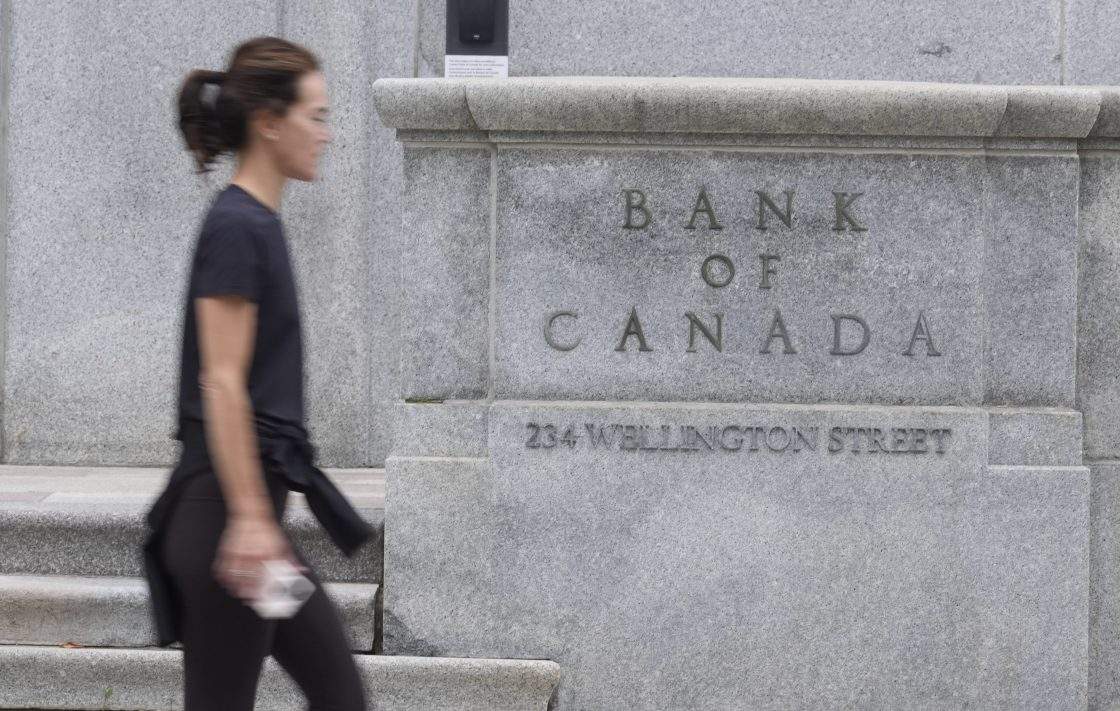
On Wednesday, the U.S. Federal Reserve raised interest rates for the first time in three years, which may prompt the Bank of Canada to also hike borrowing costs for Canadians sooner. Although Canadian borrowing rates aren't directly linked to U.S. Federal Reserve decisions, the change could have ripple effects, including the value of the Canadian dollar and future interest rate adjustments.
Derek Holt, an economist at the Bank of Nova Scotia, suggests it would be surprising if the U.S. rate hike doesn't "add one more ingredient" for the Bank of Canada Governor to begin raising interest rates soon.
The main goal of both central banks, like the Fed and the Bank of Canada, is to maintain economic balance by keeping inflation within a sustainable range (usually between 1% and 3%) while also keeping borrowing rates low enough to encourage economic growth. They achieve this balance by adjusting benchmark interest rates. Canadian consumers have been experiencing inflation rates around 3% since July and August, while U.S. inflation recently hit 3.4%.
One reason the Bank of Canada may consider raising interest rates is if inflation becomes too high. A weaker Canadian dollar due to a stronger U.S. dollar can lead to higher inflation rates in Canada, as it makes imported goods more expensive. When the Federal Reserve announced its rate hike on Wednesday, the U.S. dollar strengthened, causing the Canadian dollar's value to drop by more than a quarter of a cent almost immediately.
Although the difference is relatively small, if this trend continues, the Bank of Canada may feel compelled to follow the Federal Reserve's lead. Doug Porter, chief economist at the Bank of Montreal, notes that if the Canadian dollar weakens further, it could put more pressure on the Bank of Canada to raise rates. However, the Bank of Canada's interest rate of 2.25% is still significantly lower than the Federal Reserve's rate of 3.75%.
The difference in borrowing costs between the two countries could also put pressure on the Canadian dollar. For example, businesses face higher interest rates in Canada compared to the U.S., which may make Canada's low rates unsustainable if inflation remains at 3%. U.S. bond yields have been increasing recently, especially since the start of September, as higher interest rates and inflation lead to higher yields.
This slow but steady upward pressure on longer-term interest rates, such as 5-year mortgage rates, is due to rising bond yields.
In conclusion, the U.S. Federal Reserve's decision to raise interest rates could have several consequences for the Canadian dollar and borrowing costs in Canada. While a direct link isn't established, economists believe that the Bank of Canada may follow the Federal Reserve's lead if inflation continues to rise and the Canadian dollar weakens further.
Written by urgent.news from Global News's reporting — not their text. Machine-written — may contain errors; check the original before relying on it.