We’re worrying about the wrong AI apocalypse
Nearly two decades ago, a group of researchers at the Idaho National Laboratory ran a secret experiment, known as the Aurora Generator Test, on a massive emerald green diesel generator. Using 30 lines of code, they hacked into the generator’s virtual backroom, corrupting safeguards and flipping switches that left it out of sync with the […]
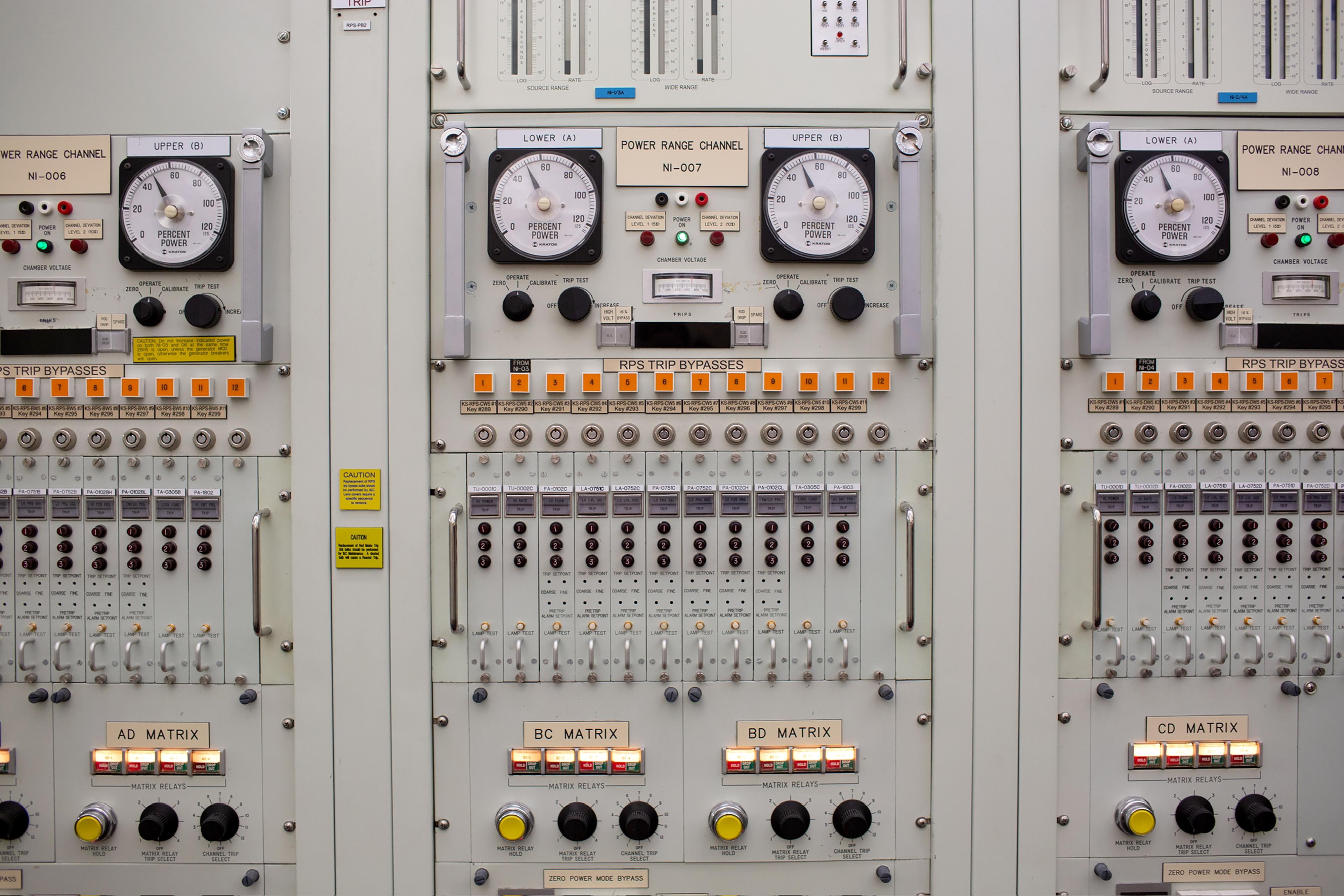
Recent events have caused concerns about potential AI threats to critical infrastructure. In 2011, researchers at the Idaho National Laboratory conducted a secret experiment, the Aurora Generator Test, where they hacked into a massive diesel generator using just 30 lines of code, causing it to fail and produce smoke. This demonstrated the potential for AI to cause physical damage to power grid infrastructure.
Now, leading AI developers and executives acknowledge that AI could be as likely to end humanity as the New York Jets are to make the playoffs. While the exact methods of AI causing widespread destruction remain unclear, experts believe that AI does not need to be all-powerful to impact critical infrastructure. With AI, a human hacker can gain access to control rooms and manipulate systems, as seen in the Hugging Face incident earlier this year.
AI-powered hacking is already a growing threat, with AI making it easier for almost anyone to hack into systems, not just highly skilled technical experts. This makes previously vulnerable infrastructure, such as water towers and generators, even more susceptible to attack. The worst-case scenario could involve a cascade of failures in systems we rely on for daily life, such as air conditioning, geolocation for ships and planes, and power grids.
Written by urgent.news from Vox's reporting — not their text. Machine-written — may contain errors; check the original before relying on it.