We know how to bring degraded land back to life
Restoring our degraded lands is no longer optional: It is a proven, high-return investment in our climate, economies and survival.
Restoring degraded lands is an investment with significant returns, proving vital for climate goals, economies and our survival. Forests, as intricate ecosystems, require a delicate balance to thrive. When this equilibrium is disrupted, forests lose their ability to provide essential services, affecting communities and economies worldwide. This issue is global, necessitating urgent action to restore damaged forests and degraded landscapes.
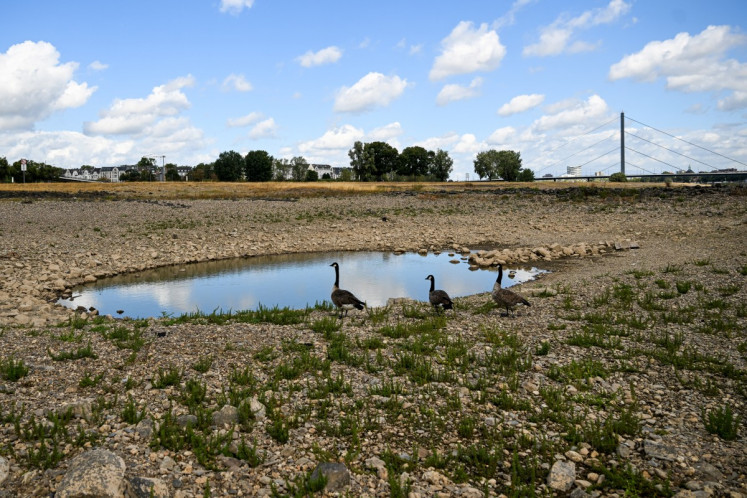
Between 1990 and 2025, roughly 489 million hectares of forests were lost due to deforestation, while over 460 million hectares remain degraded. Degradation occurs due to unsustainable land practices like overgrazing and overharvesting, urbanization, wildfires, pest outbreaks, invasive species, and climate-induced drought. Despite being standing, these forests are depleted, structurally damaged, and unable to function as healthy ecosystems.
This degradation affects forests' ability to regulate climate, support biodiversity, stabilize soils, and provide clean water. Despite an escalating global demand for food, timber, energy, and land resources, these forests' capacity is severely compromised. The crisis also extends beyond forest canopies, affecting 1.56 billion hectares of land globally, including woodlands, croplands, pastures, drylands, and wetlands.
This gap between what nature offers and what humanity demands continues to widen, leading to fragile agricultural supply chains, increased biodiversity loss, heightened climate vulnerability, and squandered economic potential.
Addressing this issue is crucial. Forests' restoration not only aids in achieving climate targets and biodiversity goals but also sustains livelihoods and builds resilient, sustainable economies.
Written by urgent.news from The Jakarta Post's reporting — not their text. Machine-written — may contain errors; check the original before relying on it.