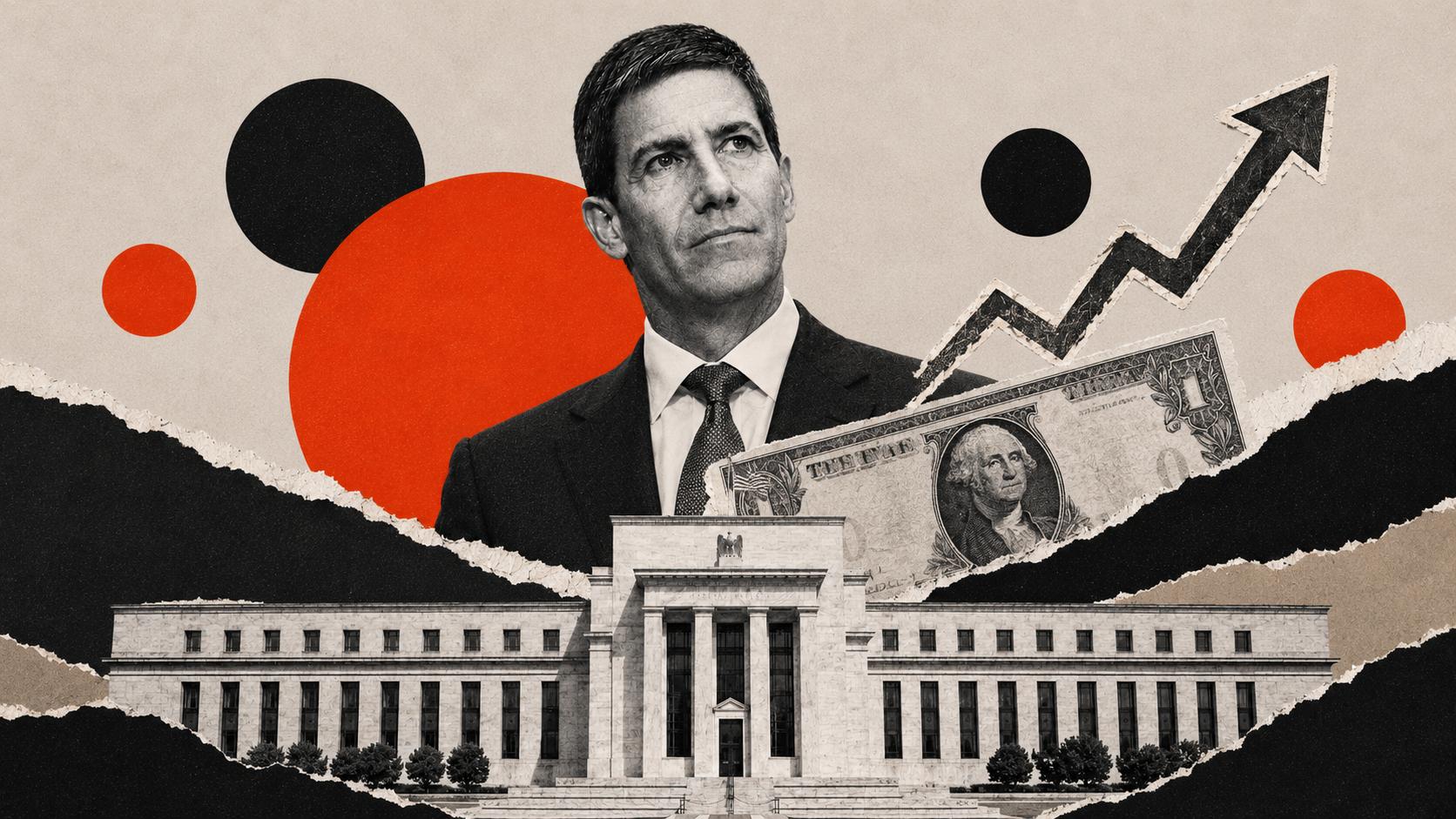
Warsh says AI’s hyperscalers are part of why your borrowing costs are rising: ‘The competition for capital is real’
Hyperscalers issued $121 billion in bonds last year and are on pace for far more in 2026. Warsh says that's showing up in Treasury yields.
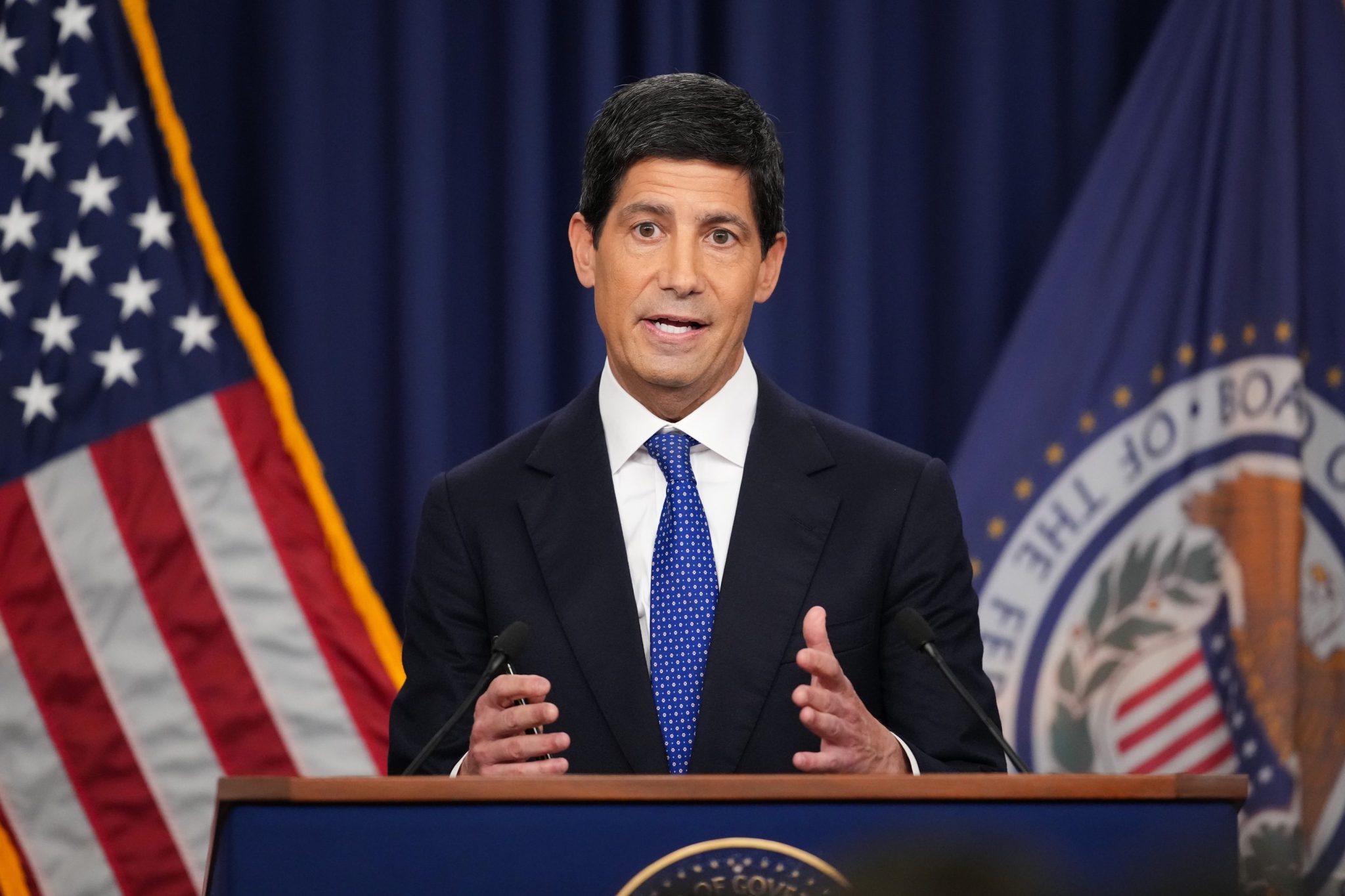
Federal Reserve Chair Kevin Warsh explained the recent rise in 10-year Treasury yields to a reporter, pointing to three main factors. The first, he said, is the surge of debt from the "hyperscalers" in the bond markets. These companies include Amazon, Microsoft, Alphabet, Meta, Oracle, and Coreweave, which have collectively issued $121 billion in U.S. corporate bonds in 2025, compared to an average of $28 billion a year between 2020 and 2024.
Warsh emphasized that competition for capital is real, as these tech giants borrow hundreds of billions of dollars to build data centers, vying with the U.S. Treasury and others for limited funds, driving up borrowing costs. He described the 10-year Treasury as the "risk-free asset upon which every price of virtually every asset in the world is related to," underscoring the significance of this asset class.
Warsh also cited economic growth and geopolitical tensions, such as the Iran war, as contributing to the yield increase. However, he did not mention the federal deficit, which many bond investors point to as the primary reason for higher long-term yields. The Fed chair noted that the two sides of the Fed's mandate—economic growth and price stability—are not working against each other.
He has established an internal task force to study AI's implications for future policy, but did not provide further details on this matter.
Written by urgent.news from Fortune's reporting — not their text. Machine-written — may contain errors; check the original before relying on it.