US-Iran conflict helps drive wave of supertanker orders
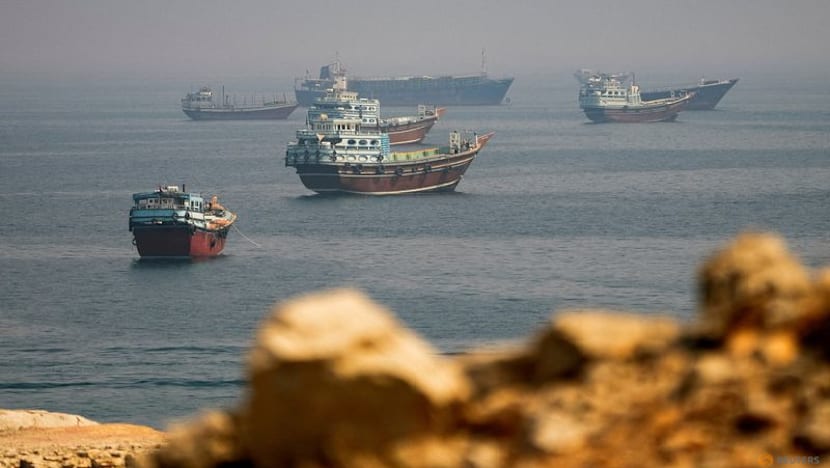
The ongoing conflict between the United States and Iran has sparked a surge in orders for supertankers, with shipowners placing more than double the number of orders for these vessels in 2026 compared to all of 2025, amounting to over $20 billion in spending. This unprecedented buying spree, representing the largest in at least 25 years, is driven by the war's impact on trade routes and the demand for long-haul crude shipments.
According to data from Signal Group, a shipping analytics platform, 217 Very Large Crude Carriers (VLCCs) have been ordered so far in 2026, compared to 93 in the previous year. Allied Shipbroking recorded 164 VLCC orders, up from 83. VLCCs can carry approximately two million barrels of oil each. The trend signals a shift towards diversifying away from Middle Eastern oil sources and a broader expectation among shipowners that long-haul oil trade will remain resilient despite the transition away from fossil fuels.
Analysts believe that companies anticipating increased long-haul shipments from the Atlantic to Asia are playing a significant role in the renewed demand for VLCC ordering. The closure of the Strait of Hormuz, a crucial route for global oil and liquefied natural gas supplies, has forced Asian and European refiners to seek alternative sources, while U.S. crude exports have reached record highs.
Countries on the east coast of South America, including Brazil, Guyana, and Argentina, are expected to drive further export growth, favoring longer-haul trades. The growing need to transport oil out of the Gulf to reload onto larger tankers in the Gulf of Oman is also contributing to the surge in demand for VLCCs and smaller Suezmax tankers.
Middle Eastern producers are now owning vessels themselves due to shipowners' reluctance to run the risk of Iranian attacks in the strait. The high cost of shipping oil in the largest tankers has soared above $500,000 per day, making it more expensive to purchase a 10-year-old oil tanker than to order a new one. The VLCC fleet renewal, driven by the urgency of replacing aging vessels, is expected to continue into the medium term, with recent contracts indicating owners' confidence in the demand's longevity.
Even older VLCCs are finding buyers instead of being scrapped, contributing to the development of a shadow fleet used to transport sanctioned oil from countries like Russia, Iran, and Venezuela.
Written by urgent.news from CNA - Business's reporting — not their text. Machine-written — may contain errors; check the original before relying on it.
This story
This is one outlet's version. Read the fullest account.
- US-Iran conflict helps drive wave of supertanker orders channelnewsasia.com