US Federal Reserve hikes interest rates for the first time in three years
The US central bank raised its benchmark rate by .25 percent, with new Fed Chair Kevin Warsh defying President Donald Trump's desire for lower rates. Consumer banks and bond markets react. Also, OpenAI reveals new incidents of AI misconduct as fears grow that the technology could escape human control.
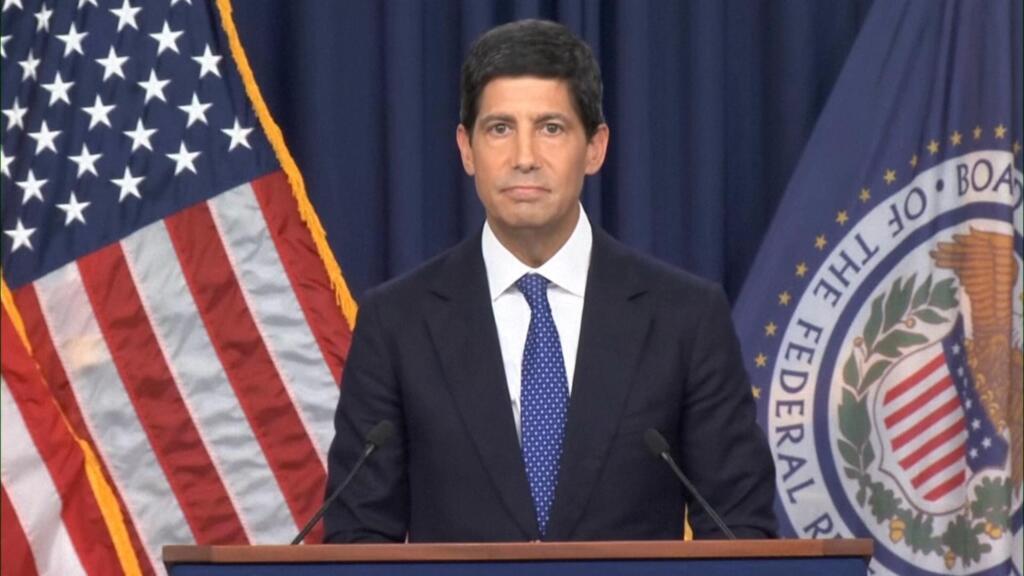
The US Federal Reserve raised interest rates by a quarter percentage point to between 3.75 percent and 4 percent on September 16, marking the first increase in three years. This move aimed to curb inflation, particularly driven by higher energy costs due to the ongoing crisis in the Middle East. Higher interest rates make borrowing more expensive, while saving becomes more attractive, thereby slowing down spending and investment, which in turn helps to lower price increases.
Federal Reserve Chair Kevin Warsh explained that the tighter monetary policy stemmed from robust US economic growth and job creation, alongside inflation pressures that extend beyond oil prices and import tariffs. Experts predict this rate increase is merely the first in a series of hikes, with UOB economists forecasting two additional increases in December and the first quarter of 2027.
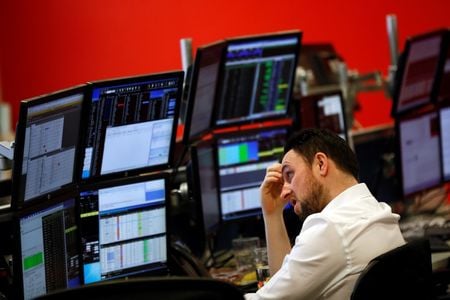
The immediate effect of this rise often manifests in bond markets, where yields climb and borrowing costs escalate for individuals, corporations, and governments.
The Federal Open Market Committee (FOMC) sets the range for the overnight interest rate that US banks lend to one another. This rate also determines broader borrowing conditions, spending patterns, employment levels, and inflation. Prior to the September decision, the range stood at 3.5 percent to 3.75 percent, now expanded to 3.75 percent to 4 percent per annum. Higher rates make money costlier, commonly described as a "tighter" or "hawkish" policy.
The implications of Fed rate hikes extend globally, given the US's status as the world's largest financial market and the US dollar as the primary currency in international trade, finance, and reserves. Consequently, the US dollar typically strengthens after a rate hike, although this outcome can vary based on other financial conditions. The impact on currencies, businesses, and households worldwide will depend on future Fed actions and inflation trends, according to Invesco's David Chao.
Singapore's Monetary Authority of Singapore (MAS) manages the Singapore dollar against a basket of currencies from major trading partners. A stronger US dollar could push the SGD/USD exchange rate higher, but MAS can still support the SGD over time if it appreciates against the broader basket of currencies, noted St Clair. Despite the Fed rate hike, Singapore's SGD is expected to maintain its strength due to the country's robust economic foundations and fiscal discipline, according to Fullerton Fund Management's Eugene Tan.
MAS' Singapore Overnight Rate Average (SORA) reflects the cost of borrowing SGD overnight and is influenced by global rates but also local funding availability and currency expectations.
Written by urgent.news from Straits Times Business's reporting — not their text. Machine-written — may contain errors; check the original before relying on it.
This story
This is one outlet's version. Read the fullest account.
- Why did the Federal Reserve raise interest rates and how does it affect me? straitstimes.com
- Federal Reserve earns rebuke from Trump after interest rate hike cityam.com
- Federal Reserve: Two more hikes seen as inflation stays too high – UOB fxstreet.com
- US Federal Reserve hikes interest rates for the first time in three years france24.com
- Trump calls for US interest rates to be cut to 1% or lower english.ajel.sa
- Top strategist thinks the Federal Reserve interest rate hike won't fix this huge earnings risk finance.yahoo.com