UAE steps up fight against misinformation as digital content gets harder to verify
The UAE is increasing its focus on misinformation as digital content gets harder for people to verify. The latest development came in August 2026 , when the International Centre for Combating Media Disinformation announced a new monitoring system. The platform will track keywords, media narratives, distribution patterns, and emerging trends across digital channels. It will also support content…
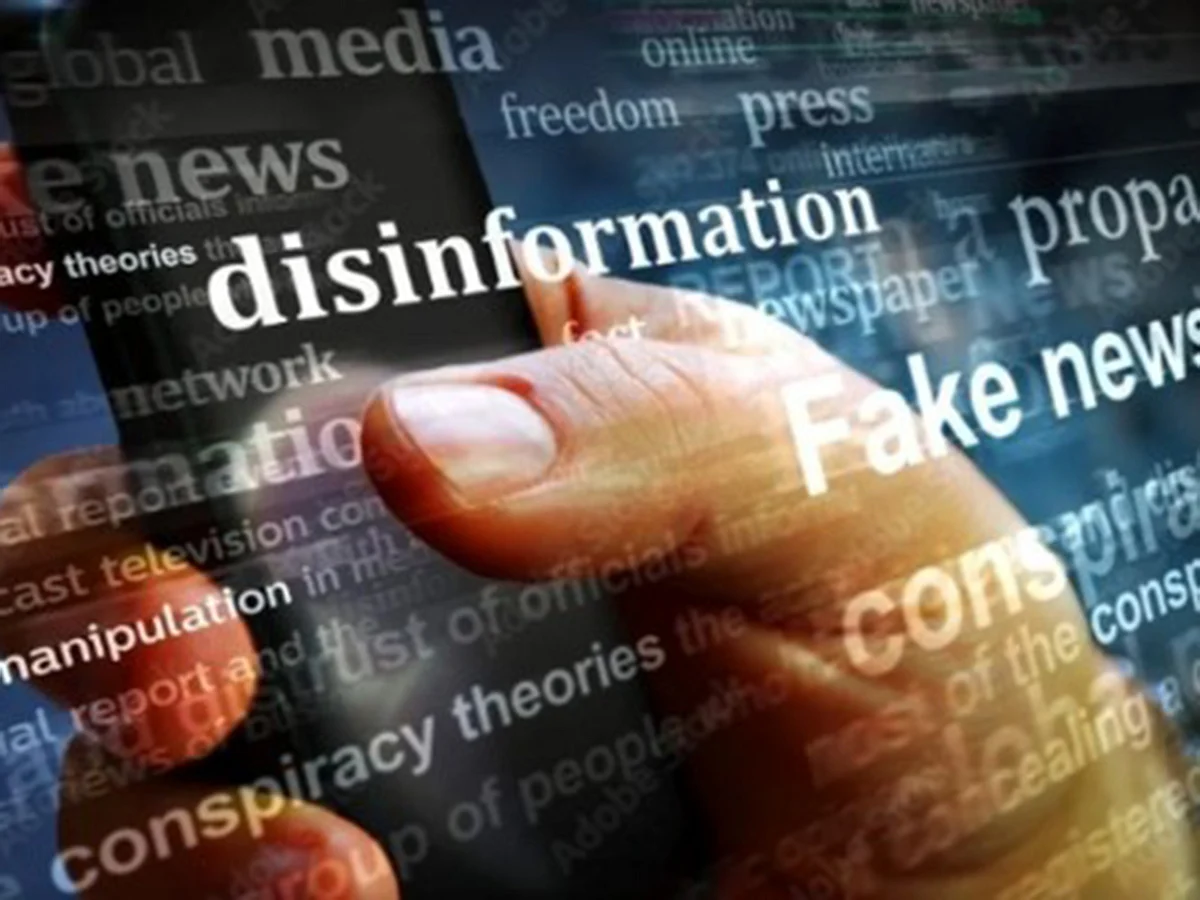
The United Arab Emirates is ramping up efforts to combat misinformation as digital content becomes increasingly difficult to verify. In August 2026, the International Centre for Combating Media Disinformation unveiled a new monitoring system designed to track keywords, media narratives, distribution patterns, and emerging trends across digital platforms. This system will leverage artificial intelligence alongside professional media expertise to support content verification.
The timing of this development is critical, given that internet usage in the UAE has reached 100 percent in 2024. With nearly everyone connected online, false information can spread rapidly through messaging apps and social media platforms. To address this challenge, the UAE has been investing in technological solutions. In May 2025, the UAE Media Council partnered with Presight to develop a unified media analytics platform aimed at inspecting media content before publication and supporting regulatory reviews.
Local data underscores the public's concerns regarding misleading digital material. A survey conducted by the UAE Cyber Security Council revealed that 50 percent of respondents had encountered AI-related scams in 2024, while 56 percent reported receiving at least one scam attempt each month. These figures reinforce the need for residents to verify surprising posts before sharing them.
Deepfakes, which go beyond simple edited photographs, present a more complex verification challenge. Generated voices can mimic individuals, while altered videos can depict events that never occurred. Such manipulated content can spread rapidly before fact-checkers have sufficient time to respond. Consequently, basic verification methods become essential when reading breaking news through social feeds.
Simple checks include verifying headlines through established news organizations, tracing the original source of major public claims, using reverse image searches on suspicious photos, checking the upload date of videos, and comparing official statements with shared screenshots on social media.
AI detectors can provide additional signals when evaluating suspicious written material, although they cannot definitively confirm the accuracy of the information. The most reliable starting point remains the original source, particularly official government accounts when claims involve public safety or new regulations.
International regions are also addressing the issue of generated content. The European Union's AI Act, which began implementing transparency requirements on August 2, 2026, mandates labels for deepfakes in covered situations and requires providers to add machine-readable markings to certain generated or manipulated content. These measures may enhance platforms' ability to identify synthetic material more swiftly.
However, labels alone are insufficient to solve all misinformation problems, as old videos can be reposted with new captions, and genuine photographs can be paired with false descriptions or misleading dates. Ultimately, human judgment remains crucial in determining which digital material deserves trust. Before disseminating a sensational claim, it is advisable to spend a few minutes verifying its origin by consulting multiple established sources.
As verification systems evolve in the UAE, readers also bear a responsibility. A quick source check can prevent misleading information from disseminating further.
Written by urgent.news from Gulf News's reporting — not their text. Machine-written — may contain errors; check the original before relying on it.