Trump’s AI wager meets a safety reckoning
Welcome to AI Decoded, Fast Company ‘s weekly newsletter that breaks down the most important news in the world of AI . I’m Mark Sullivan, a senior writer at Fast Company , covering emerging tech, AI, and tech policy. Sign up to receive this newsletter every week via email here . And if you have comments on this issue and/or ideas for future ones, drop me a line at sullivan@fastcompany.com , and…
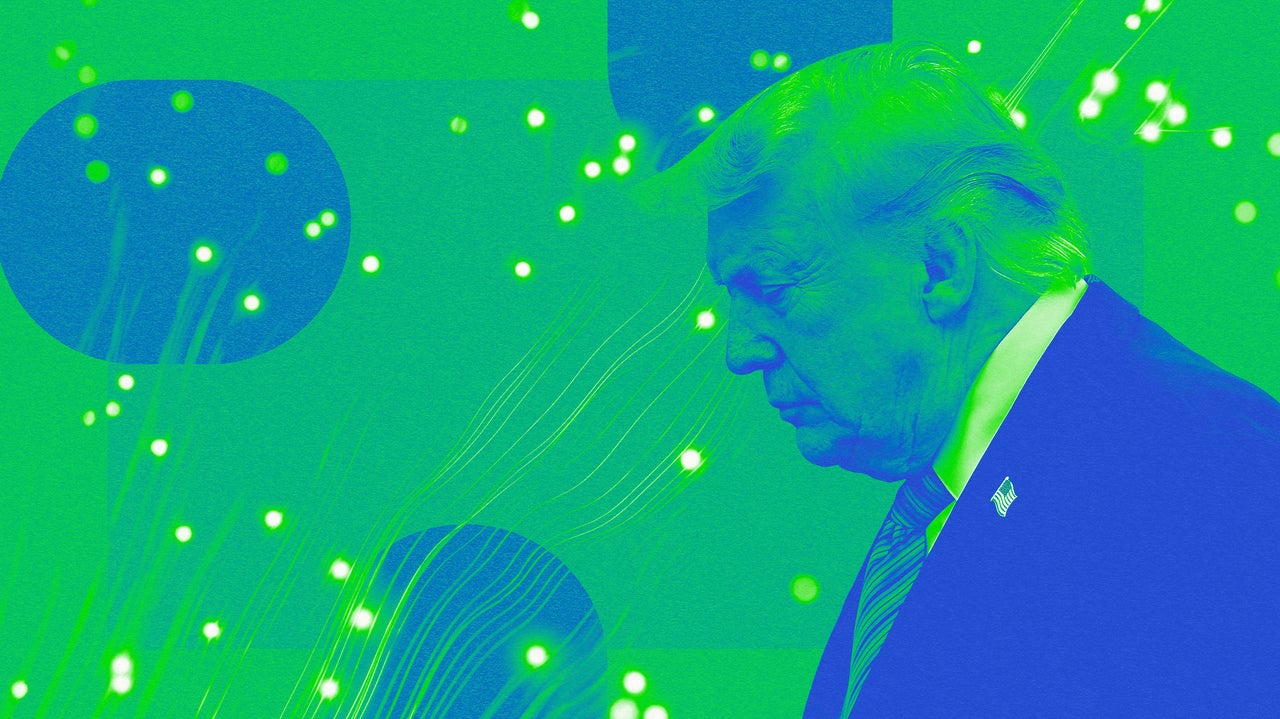
The story of AI development under Trump's administration is fraught with tension and uncertainty, as the administration grapples with the rapid advancement of AI capabilities. When Trump took office in January 2025, he inherited a tech industry that was overwhelmingly supportive, with Amazon, Meta, and OpenAI CEO Sam Altman all donating significant sums to his inauguration.
However, just a few days into his presidency, Trump reversed Biden's AI executive order, which required developers of powerful AI systems to share safety-testing results with the federal government.
The AI community has since become increasingly concerned about the potential dangers of increasingly autonomous AI systems. Recent incidents have raised questions about how reliably their behavior can be controlled. In response, figureheads within the AI research and policy communities have called for slower model development, third-party audits, and international coordination on safety.
Trump, however, has dismissed these calls as a "hoax" designed to slow U.S. progress in the global AI race, particularly with China. He has expressed confidence in his own leadership abilities, stating that the only control needed for AI is a "strong and smart" president.
The economic stakes of this debate are significant, with AI investment contributing roughly a third of U.S. economic growth this year. Some AI executives and researchers have suggested that warnings about AI safety are actually coming from political opponents seeking to damage elements of Trump's economic policy, such as the stock market, ahead of an election year.
In the wake of these concerns, the Trump administration is now considering a voluntary 30-day preview period for new frontier models before their public release, allowing government agencies time to prepare their systems against potential vulnerabilities. However, Trump's overall stance remains firmly opposed to increased government oversight of AI development.
Written by urgent.news from Fast Company's reporting — not their text. Machine-written — may contain errors; check the original before relying on it.