There’s a Neurological Basis for “Pregnancy Brain”
And it’s temporary The post There’s a Neurological Basis for “Pregnancy Brain” appeared first on Nautilus .
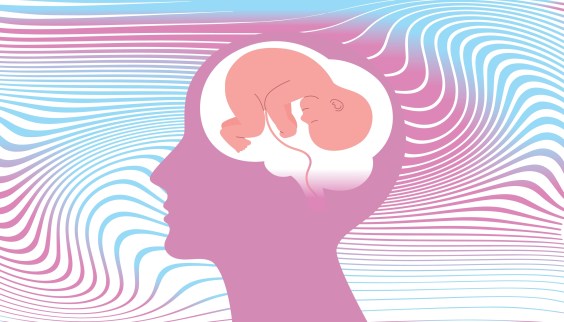
The phenomenon known as "pregnancy brain" or "momnesia" has been experienced by many women during their pregnancy. This term has also been used to describe memory glitches in women taking oral contraceptives with high levels of estrogen. A recent study published in Science Bulletin aimed to explore the neurological basis behind this occurrence.
Researchers used pregnant mice and mouse models with elevated estrogen levels to investigate the issue. In tests measuring the mice's working memory, those who were pregnant and those with artificially high estrogen levels both exhibited mild cognitive problems. However, these memory impairments were not accompanied by changes in mood or motivation, indicating a specific cognitive effect rather than a general decline in overall well-being.
The researchers then delved deeper into the mice's brains to find the underlying cause. They discovered that within the lateral hypothalamus, a region responsible for regulating various functions, there were brain cells expressing estrogen receptor alpha. These cells, known as GABAergic neurons, are inhibitory and send calming signals to the central nervous system. High estrogen levels caused these cells to fire more frequently, and they projected directly into the hippocampus, the brain's memory center.
Further experiments revealed that when these estrogen receptor-alpha expressing neurons were genetically removed, the memory problems in both mice and pregnant women ceased. Moreover, artificially activating the hypothalamus-hippocampus pathway was able to recreate the memory glitches without the need for estrogen. These findings suggest that there is a biological basis for "momnesia," which emerges during the second and third trimesters when estrogen levels are rising.
The study's authors hope that this research validates the experiences of many women and provides a target for future studies on this phenomenon.
Written by urgent.news from Nautilus's reporting — not their text. Machine-written — may contain errors; check the original before relying on it.


